

FROM THE SECTION:
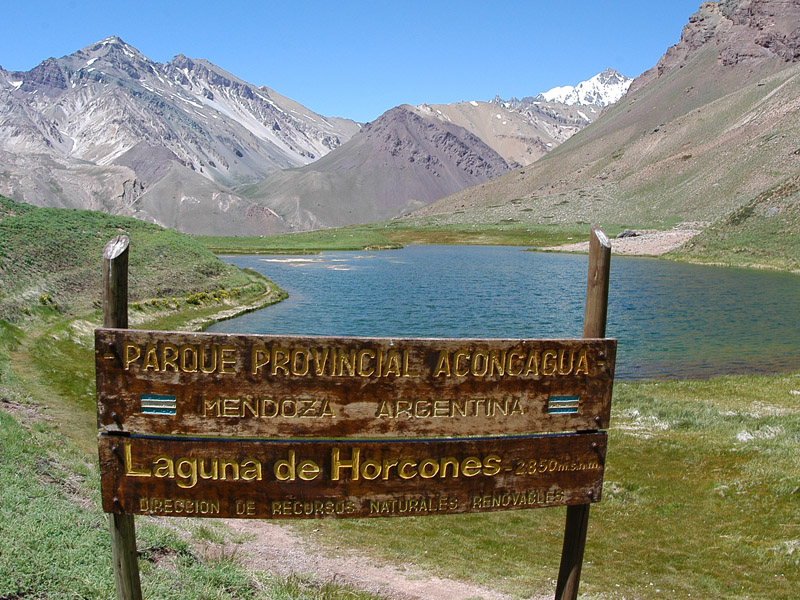
The Direction of Renewable Natural Resources (DRNR) of the Government of Mendoza administers the Aconcagua Provincial Park and issues visitors’ entry permits.
Mountain guides who want to guide expeditions in mount Aconcagua must register with this organization and receive the credential to be authorized to work inside the park.
The Direction of Renewable Natural Resources requires that the guides must necessarily be professionals, having received the training of mountain guide and trekking and their certification in one of the different mountain schools of Argentina.
The guides receive certifications of High Mountain Guide, Mountain Guide and Trekking Guide, issued by the EPGAMT (Provincial School of Mountain Guides and Trekking of Mendoza) or by the AAGM (Argentine Association of Mountain Guides).
These titles are the only ones recognized by the Direction of Renewable Natural Resources to be able to provide services of leader guide or assistant guide in the Aconcagua Park.
Thinking about your safety, always demand the accreditation credentials of the guides to operate in Aconcagua Park.
The Importance of Having a Professional Guide on Aconcagua
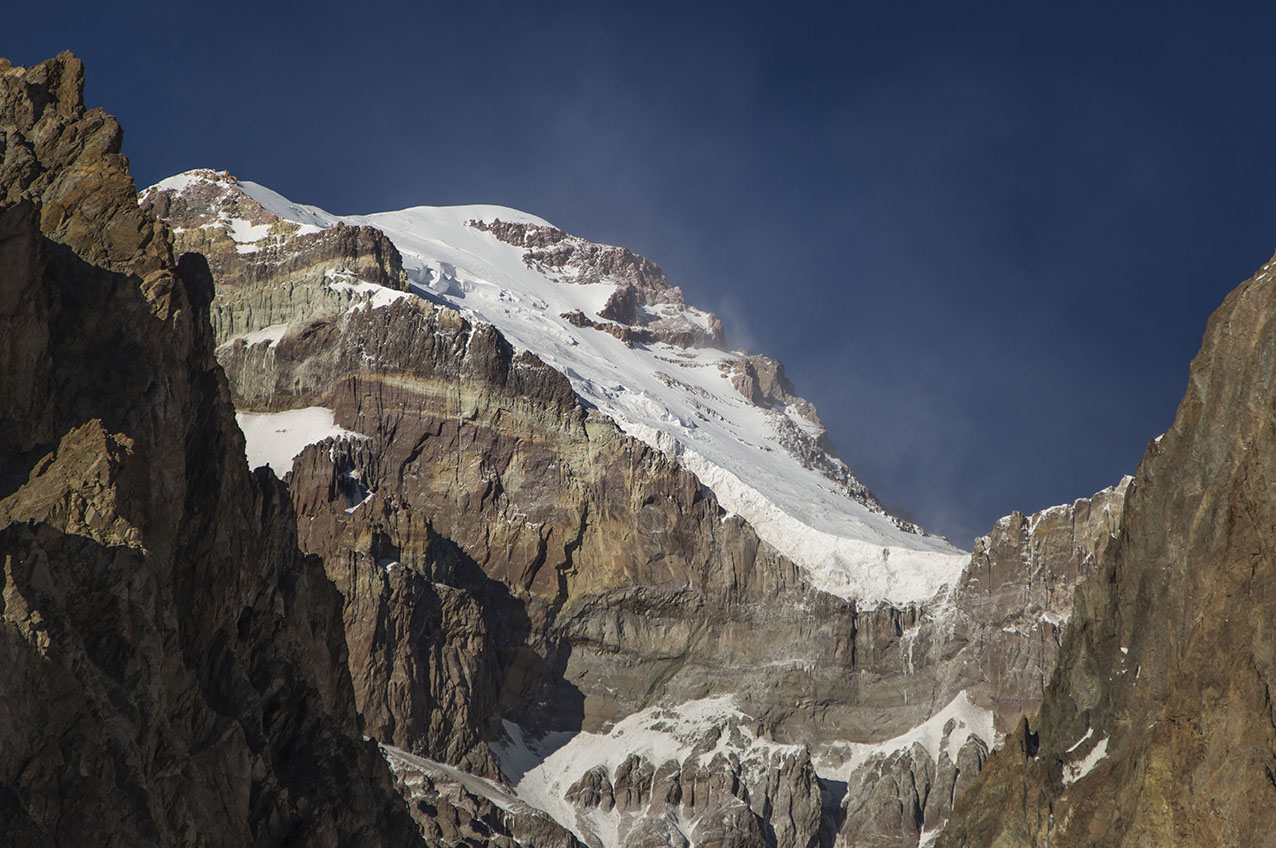
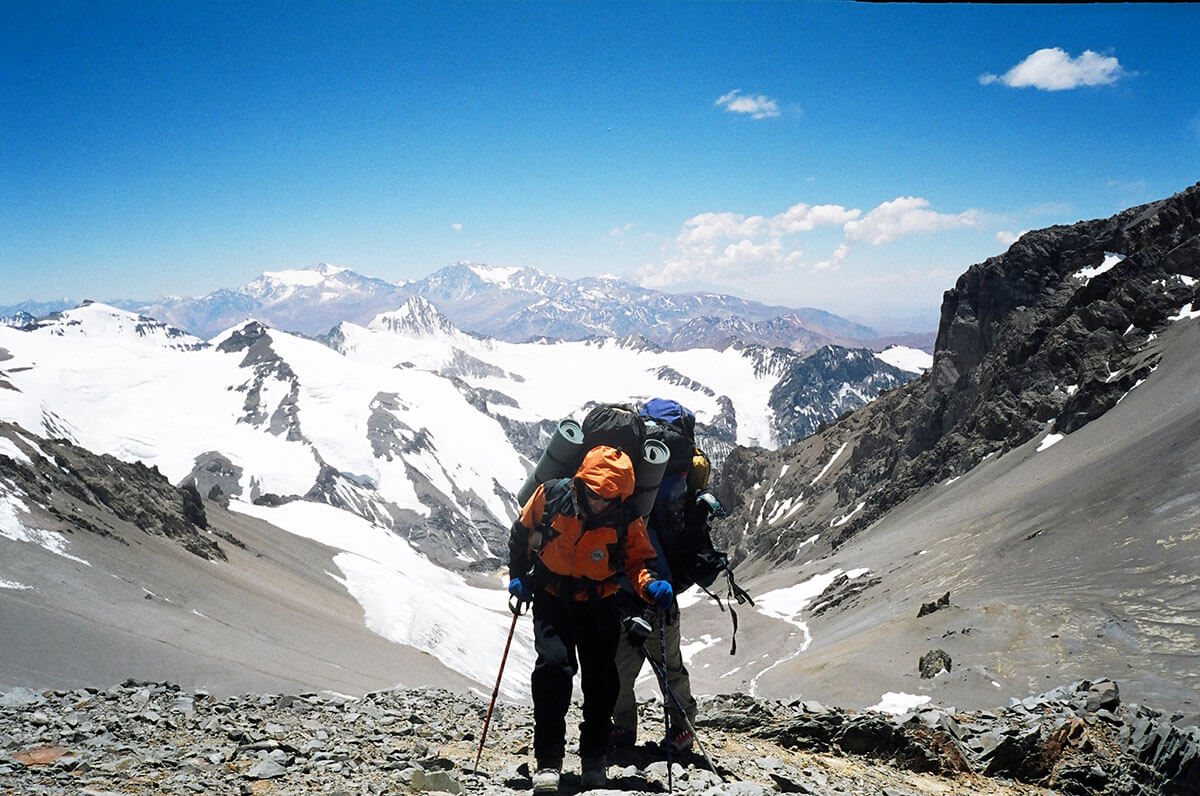
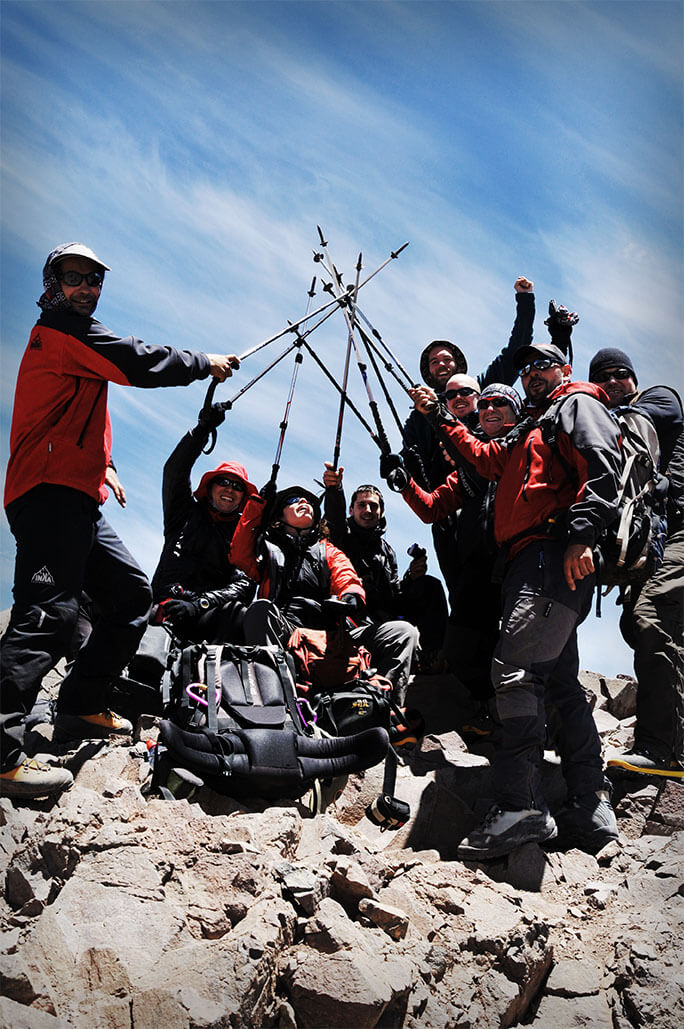
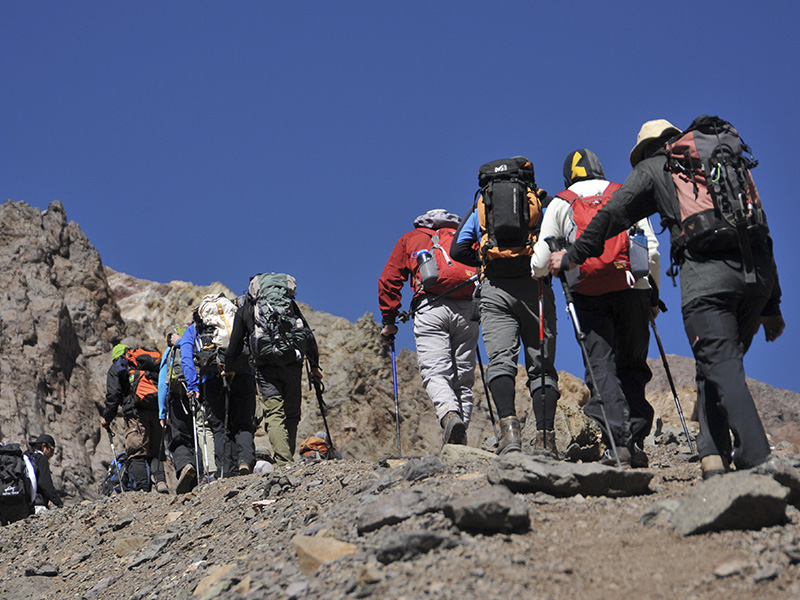
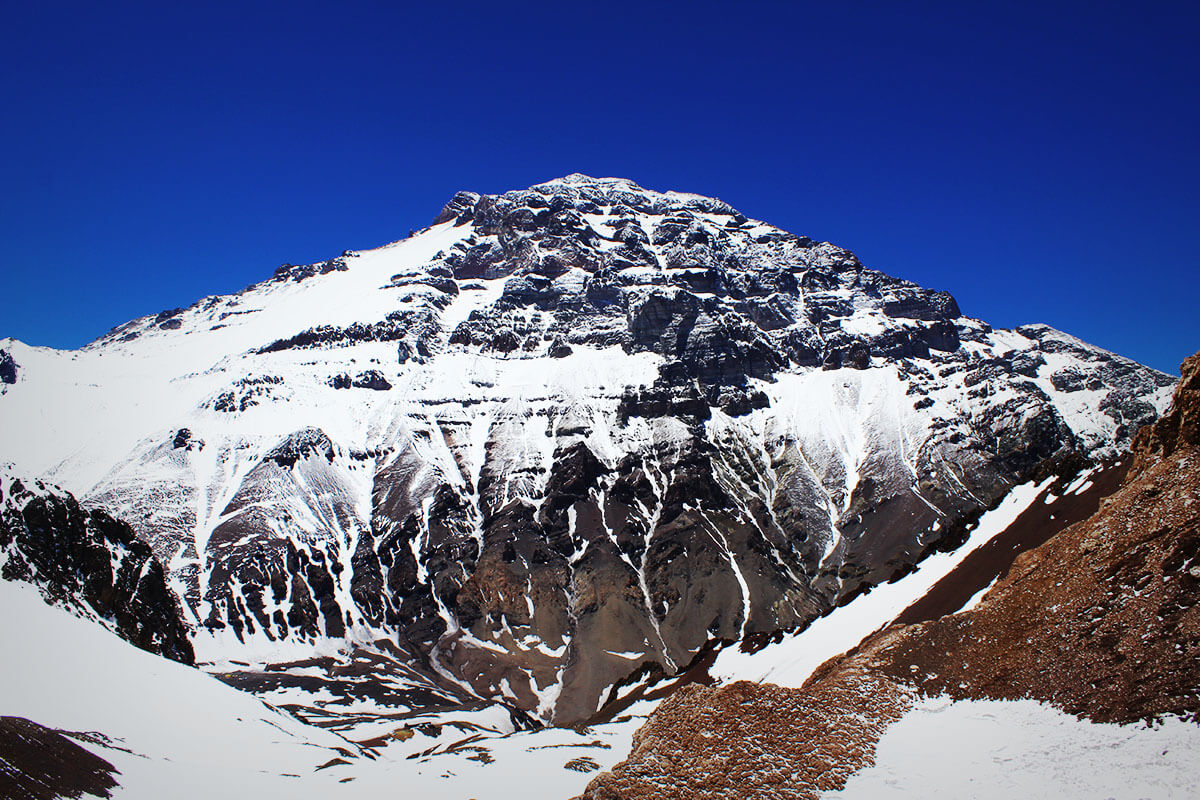
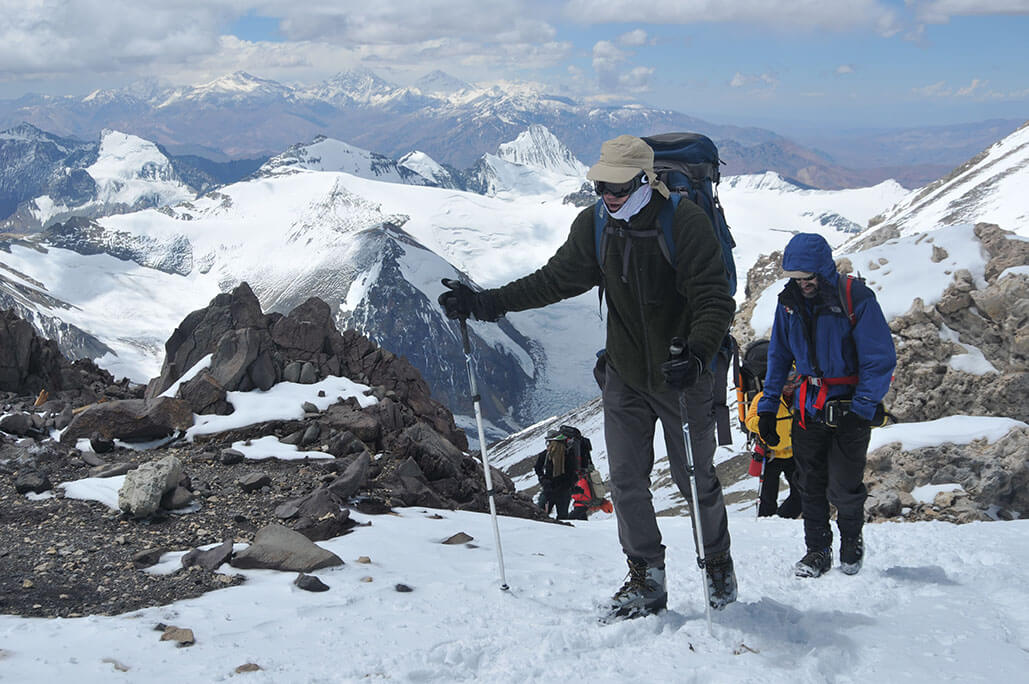
Aconcagua, standing at 6,962 meters, is the highest mountain in the Americas and one of the greatest challenges in the mountaineering world. Although it is not considered a technical peak compared to other summits of similar magnitude, its extreme altitude, harsh climate, and physical demands make it a challenge that should not be underestimated. In this context, the presence of a professional and experienced guide makes the difference between a safe and successful expedition, and an adventure with unnecessary risks.
Safety First
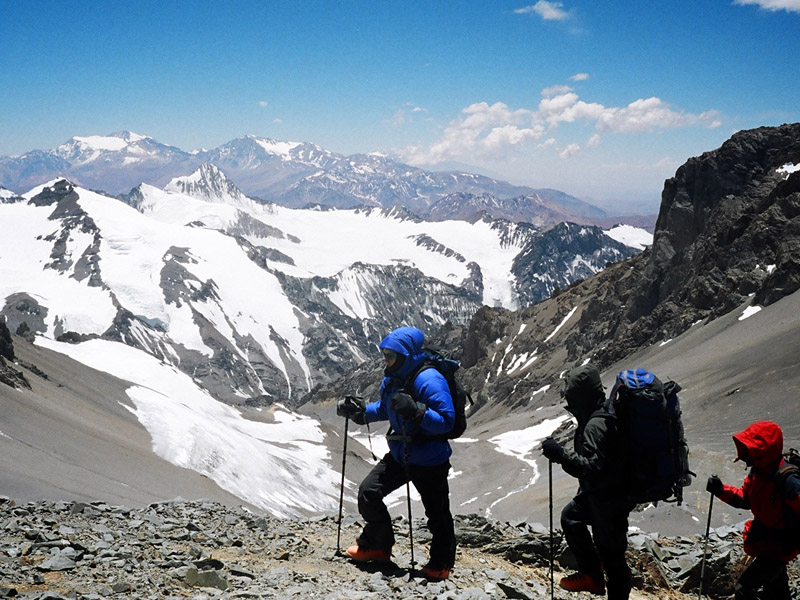
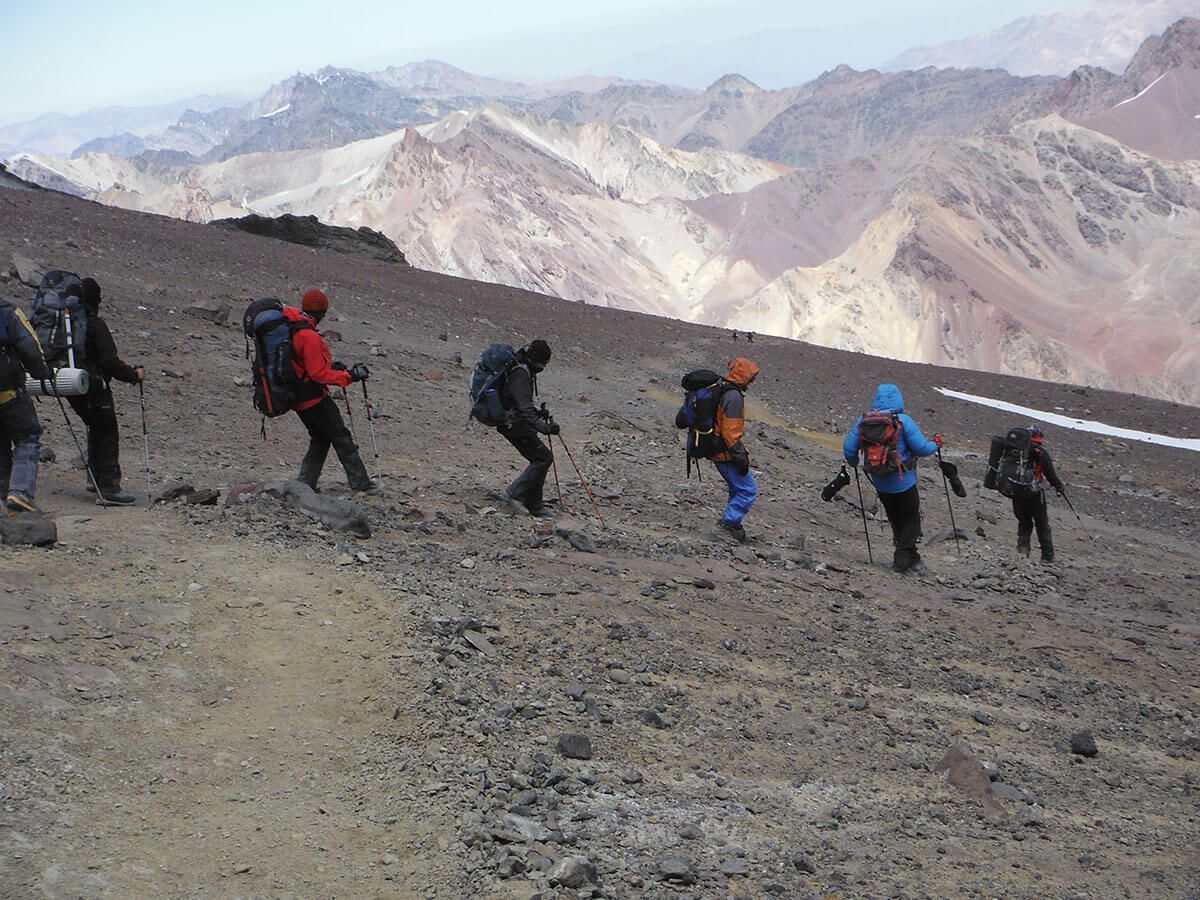
The main reason to have a guide is safety. Aconcagua presents dangers such as altitude sickness, sudden weather changes, snowstorms, and the possibility of getting lost in the mountain. A guide knows the terrain, understands weather patterns, and is trained to act in emergencies, significantly reducing risks.
Knowledge of the Terrain
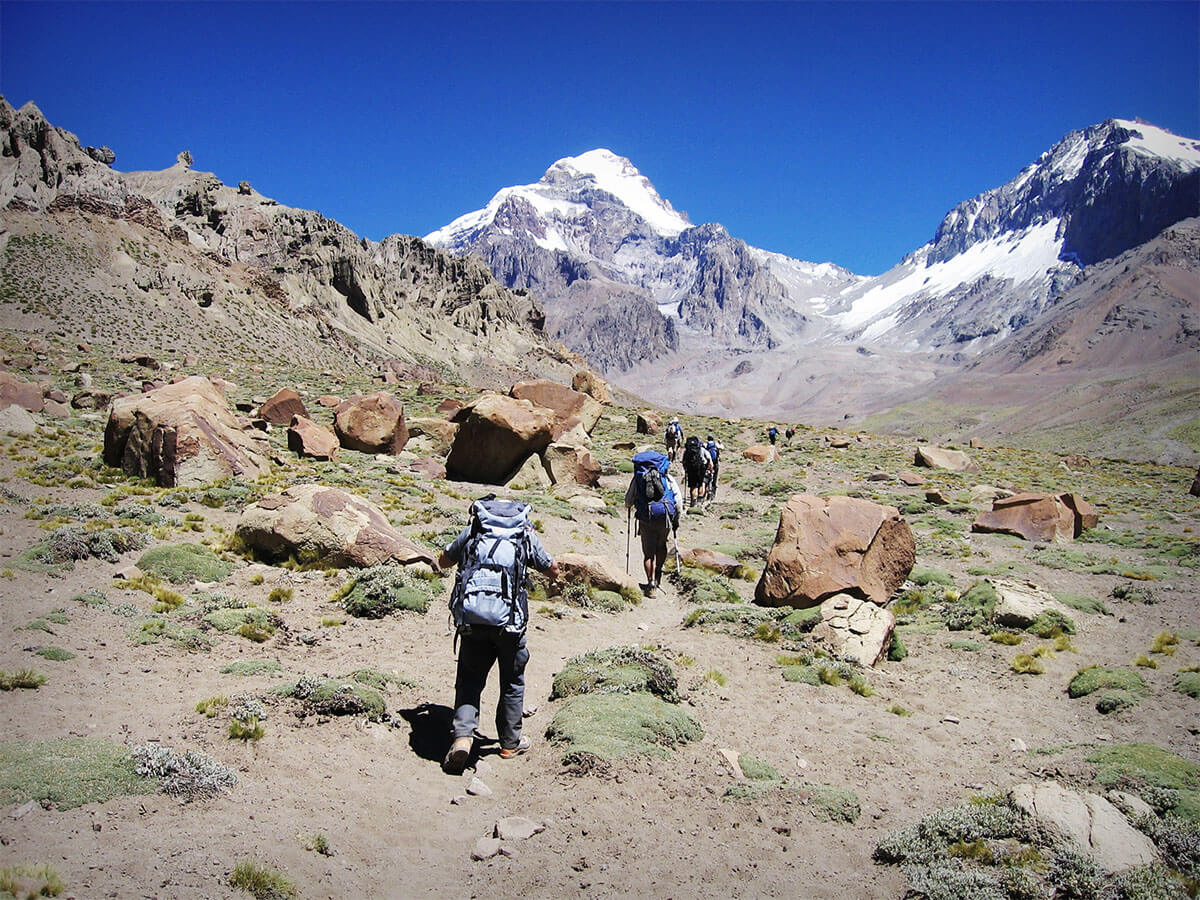
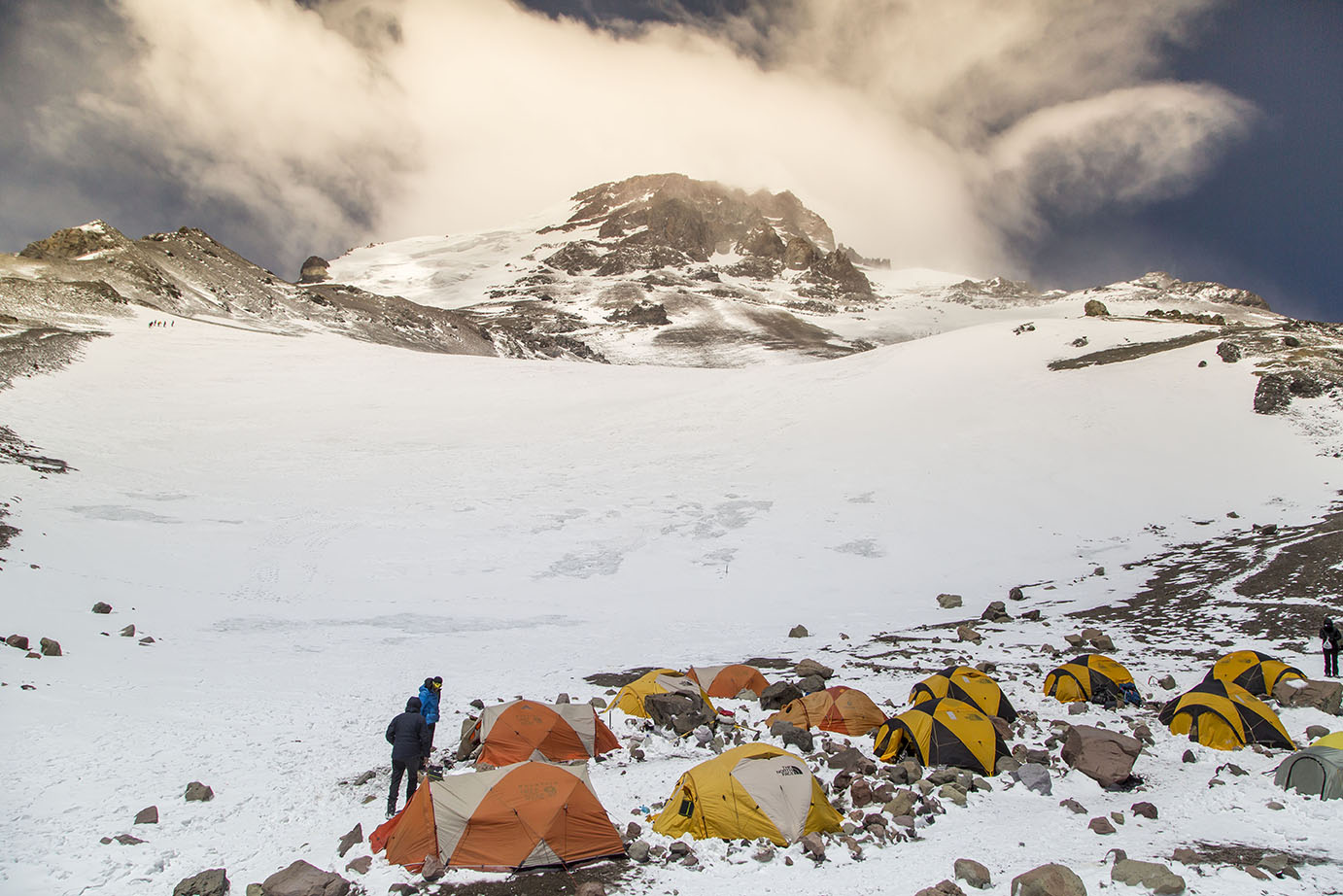
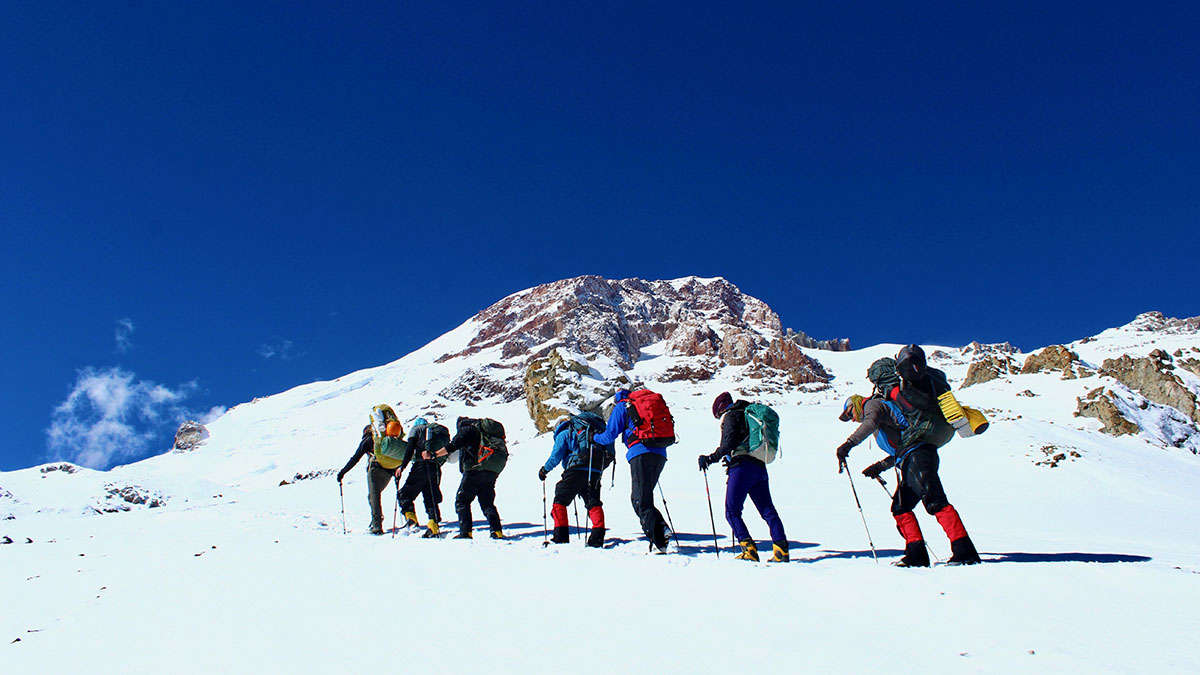
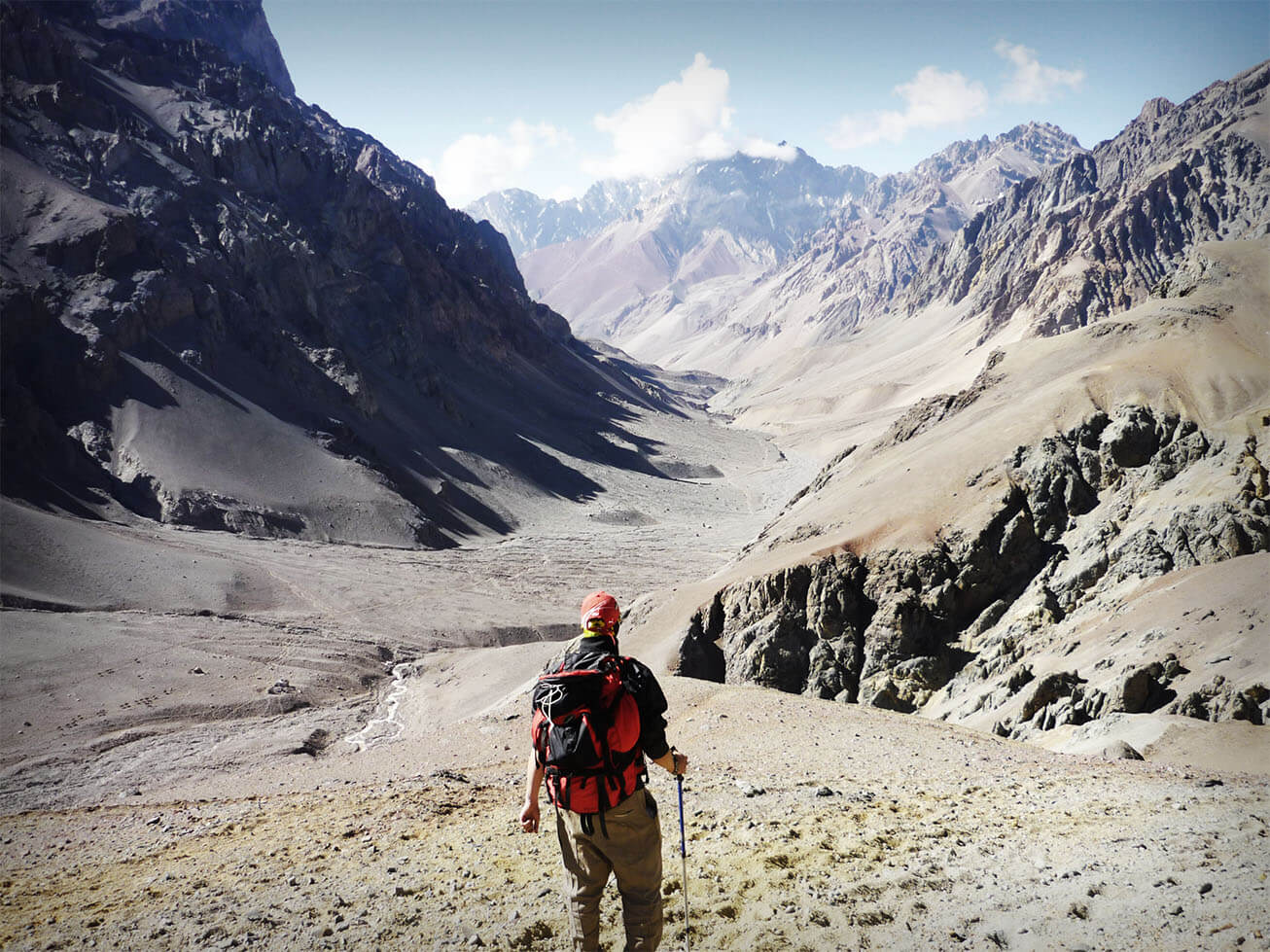
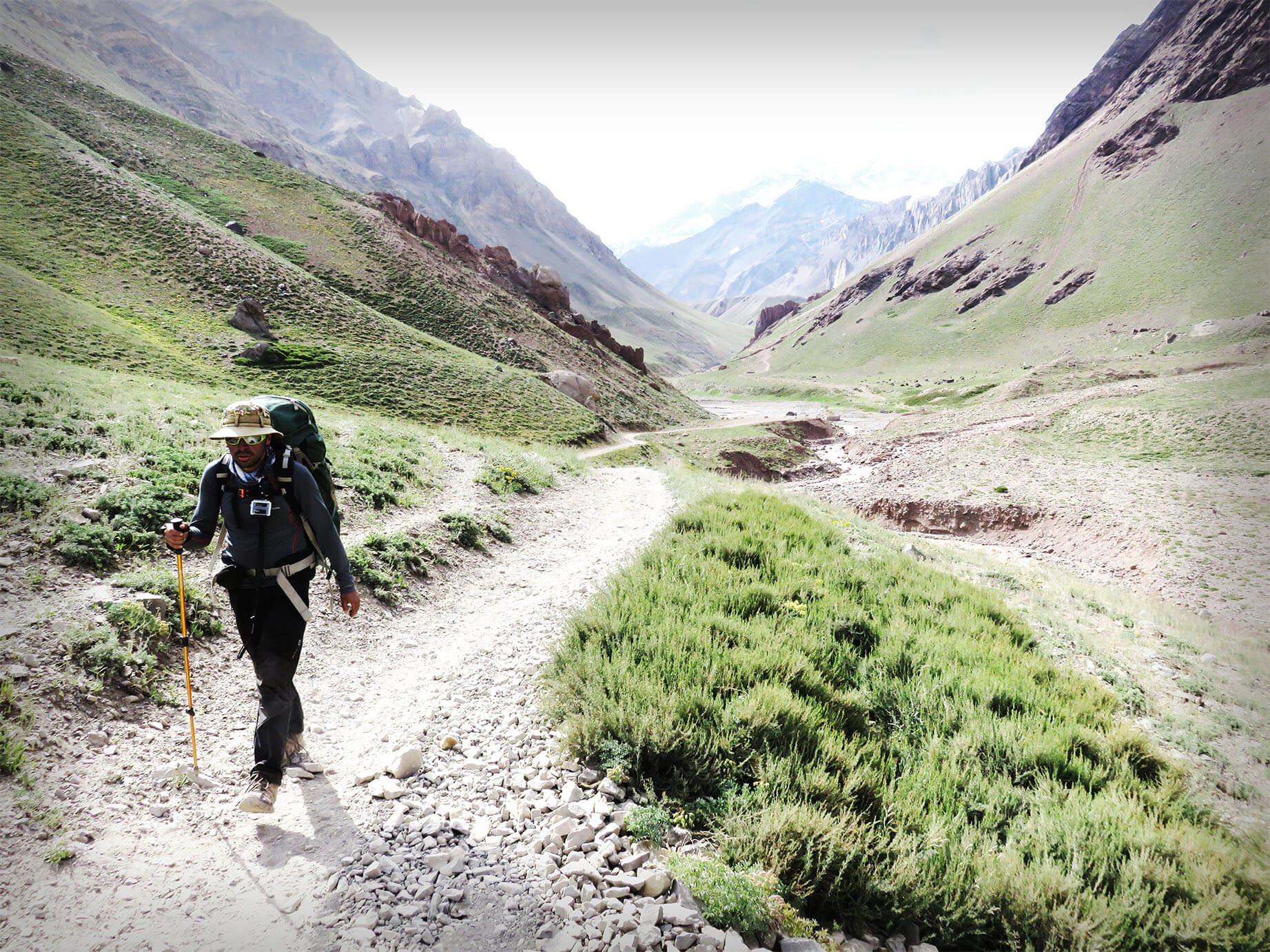
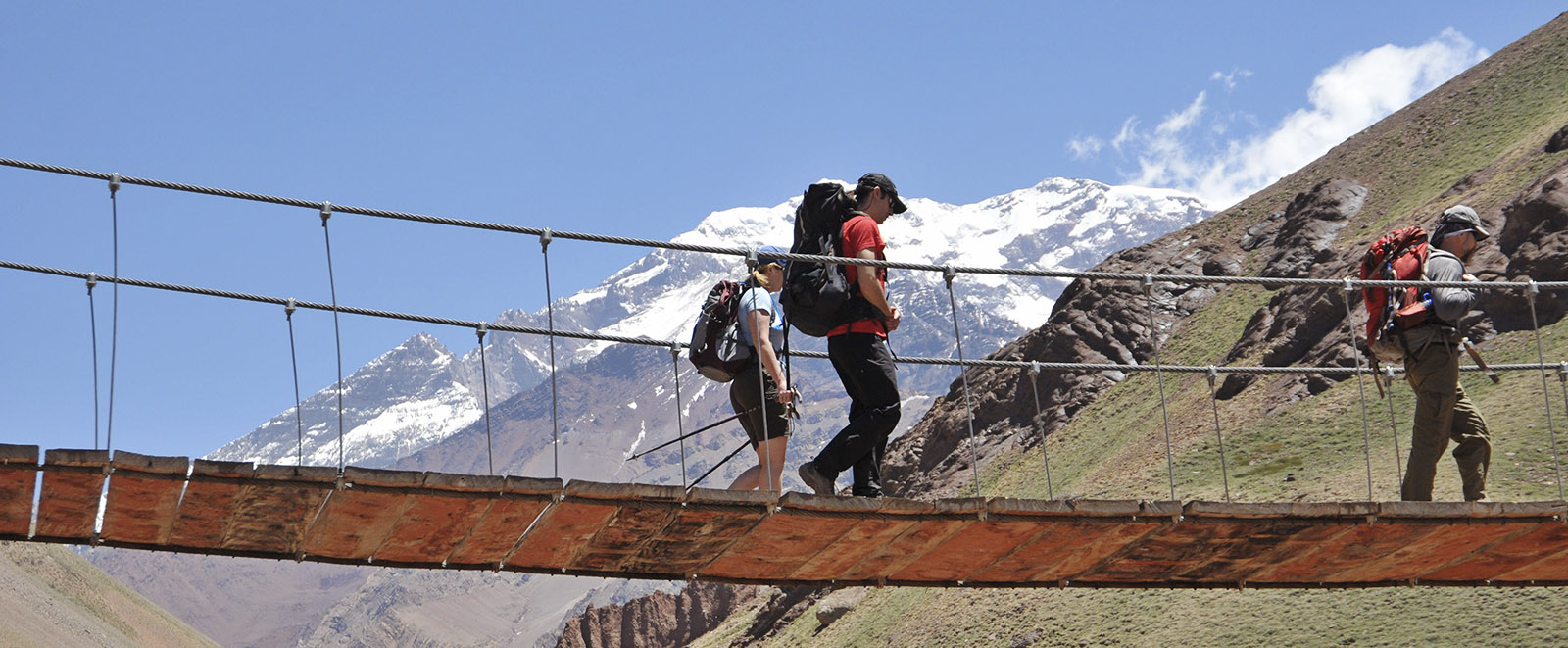
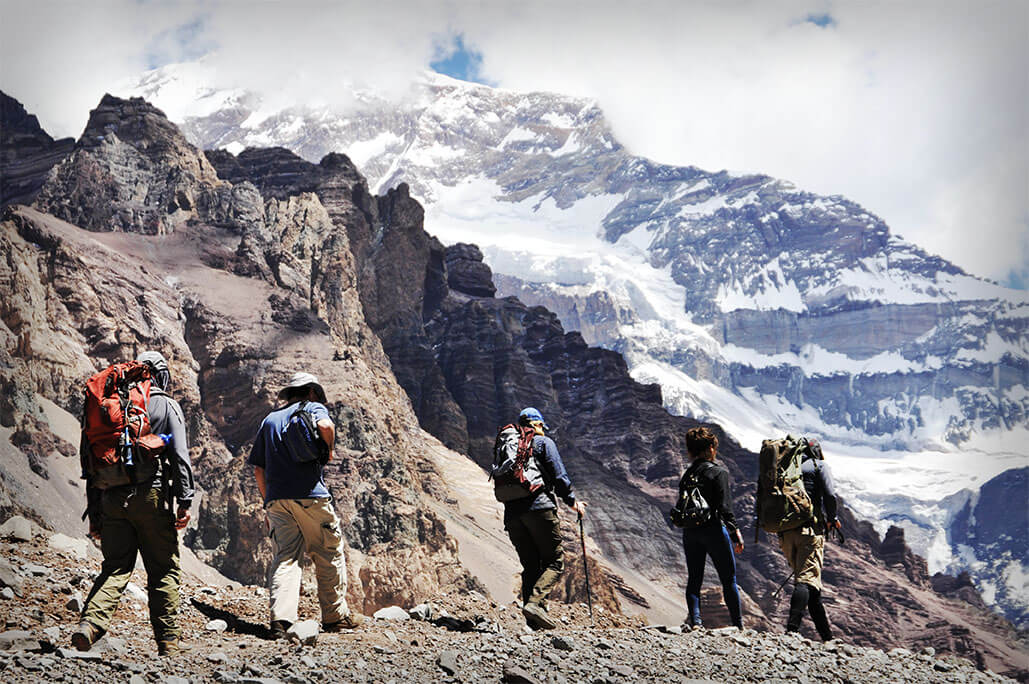
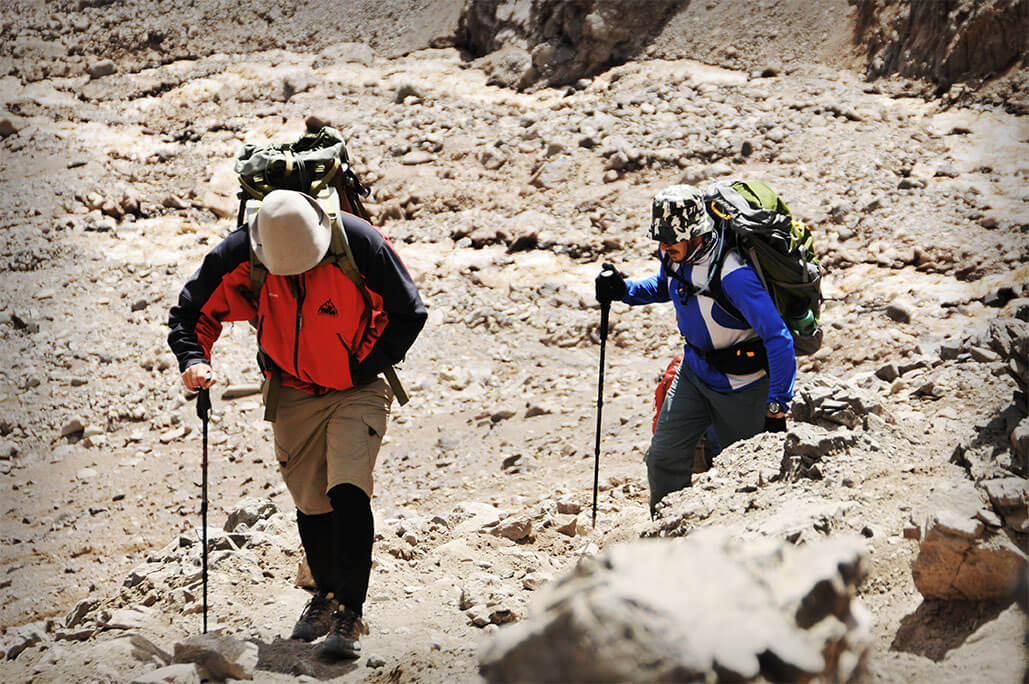
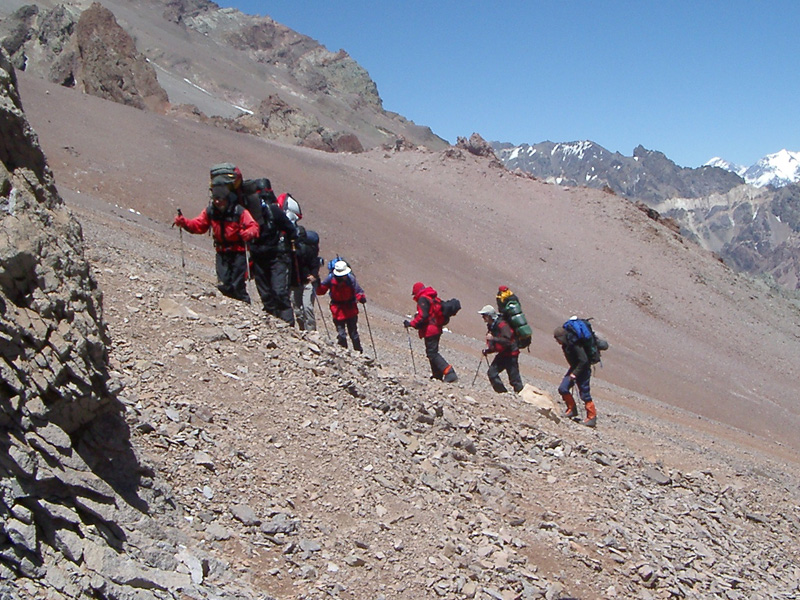
An experienced guide masters the routes, camps, water sources, and key strategic points for resting. This knowledge saves time and energy and allows for better progressive acclimatization to the altitude, which is crucial for increasing the chances of reaching the summit.
Group Management and Logistics
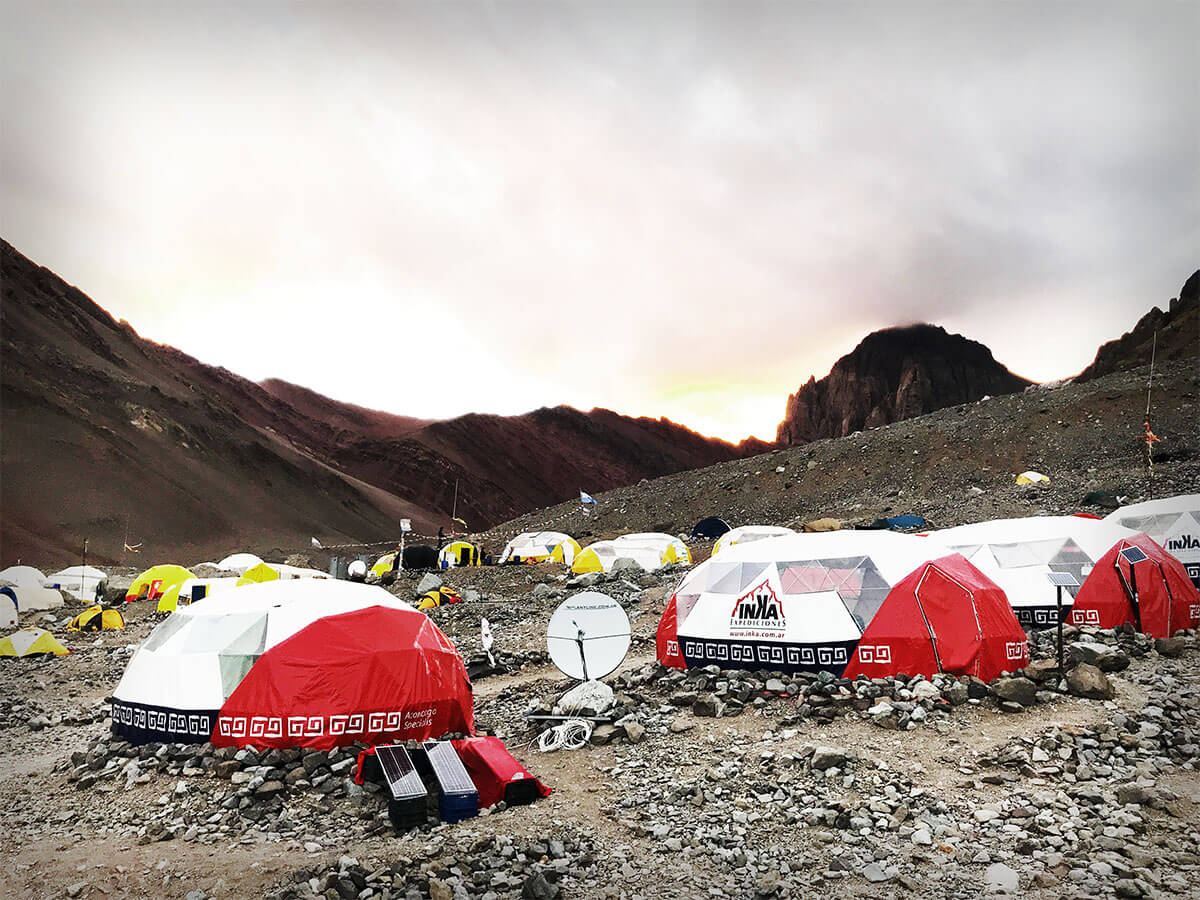
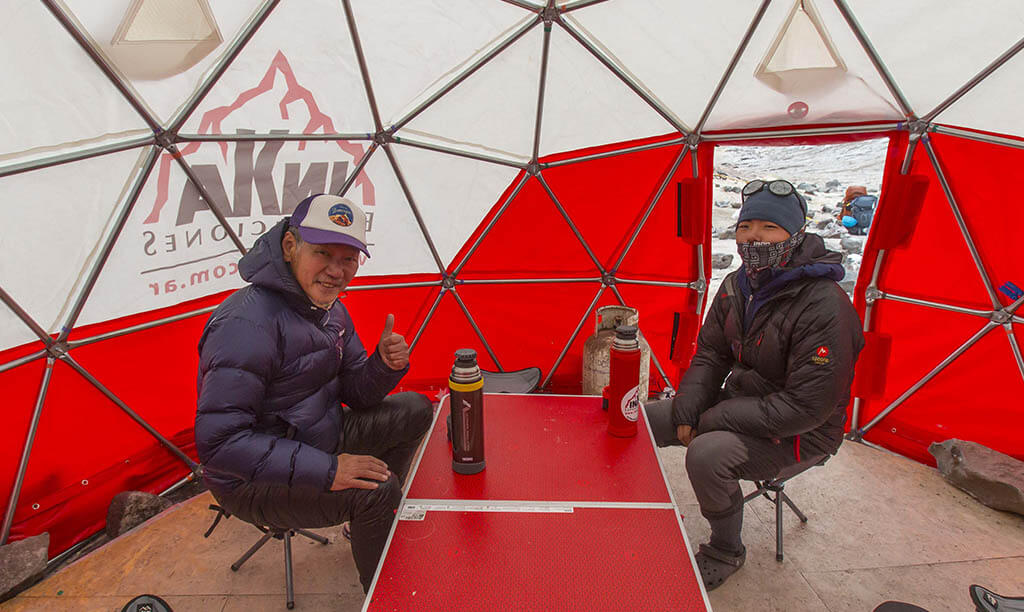
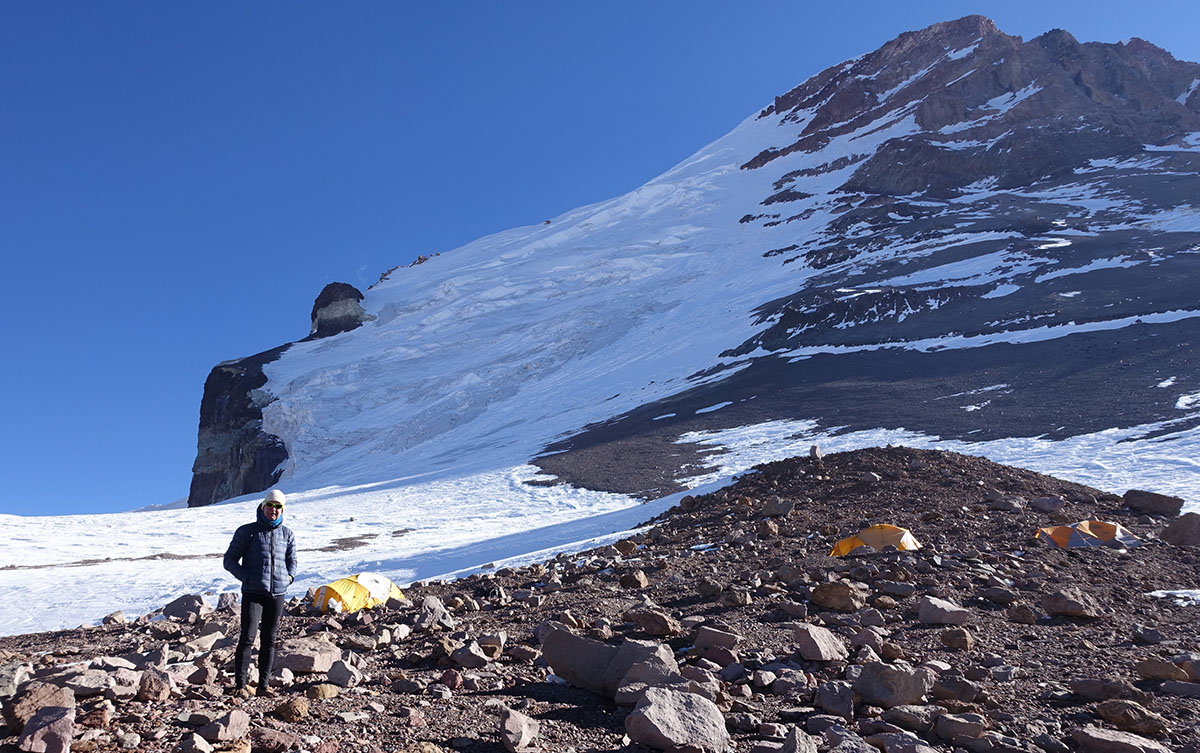
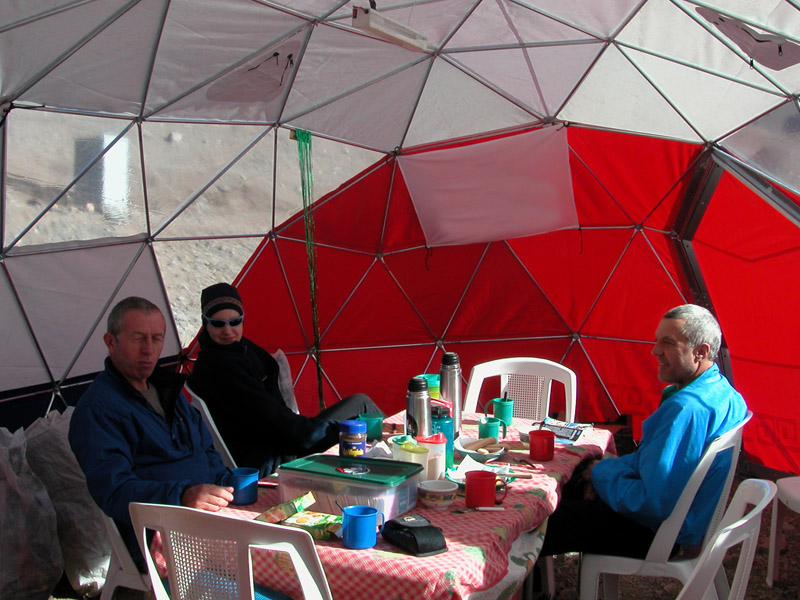
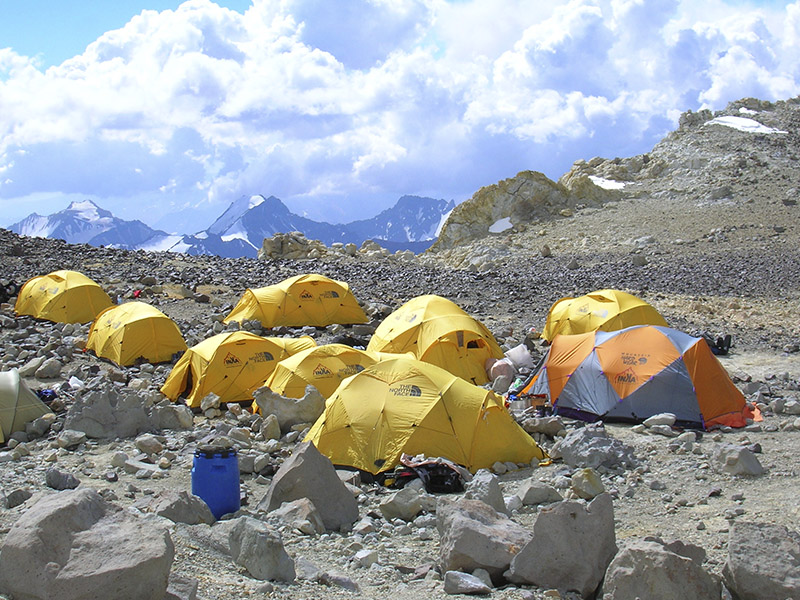
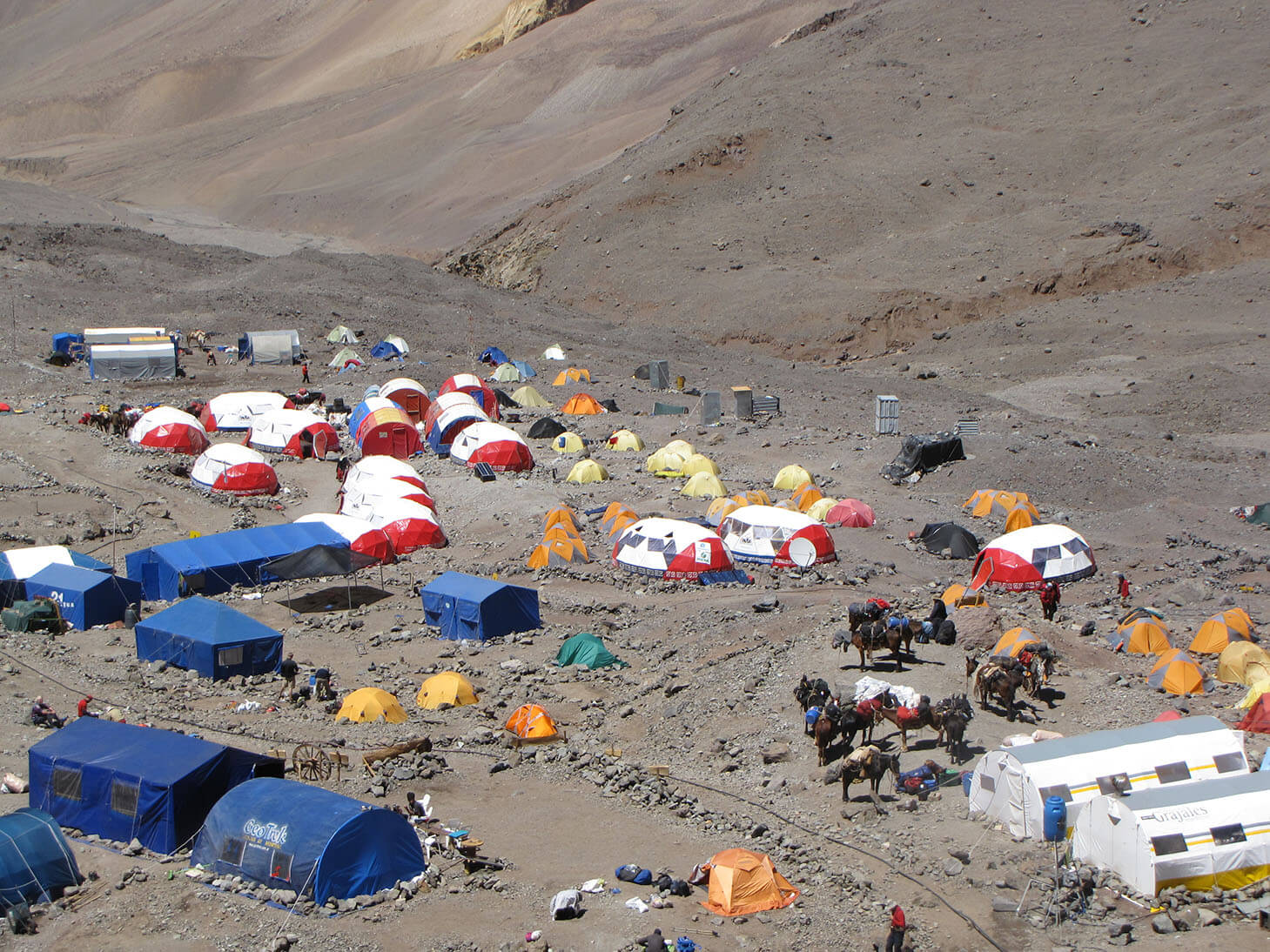
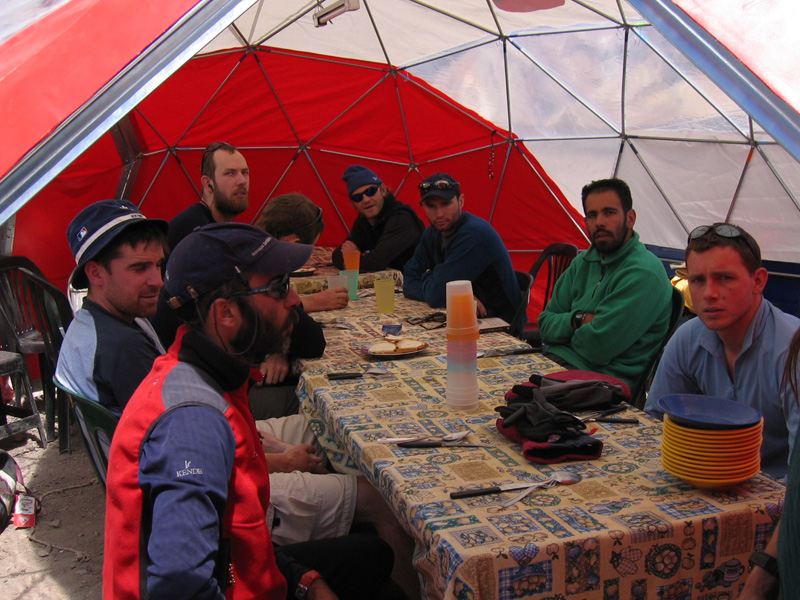
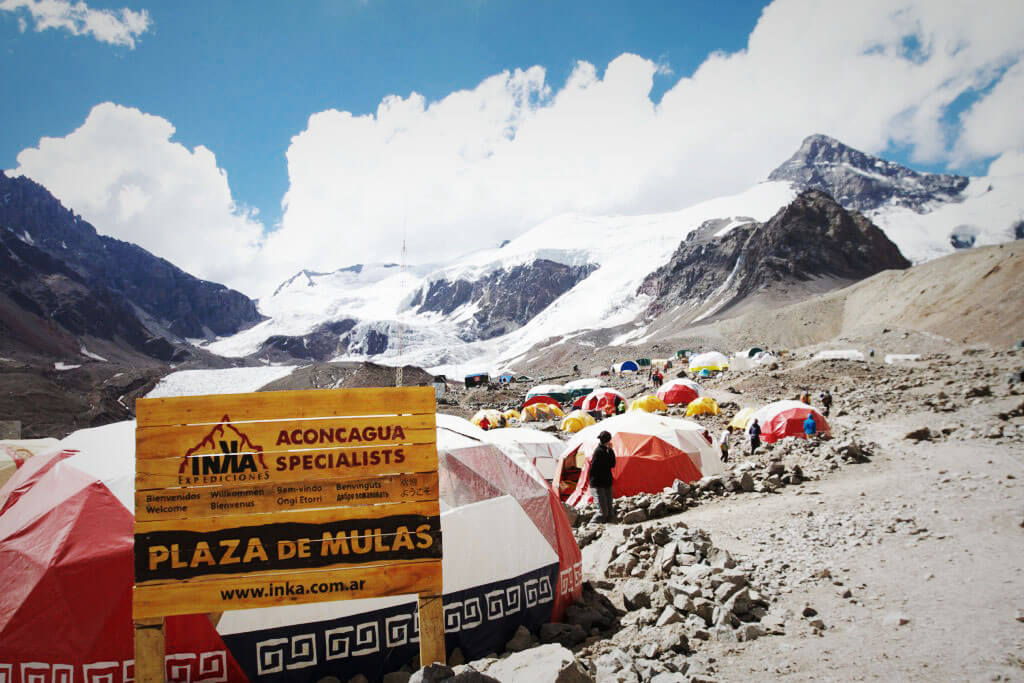
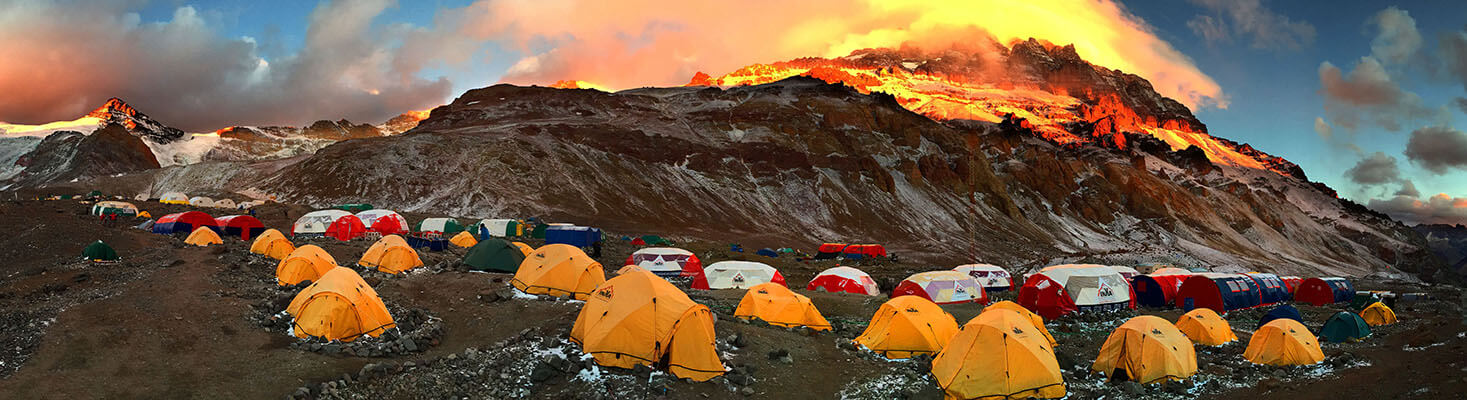
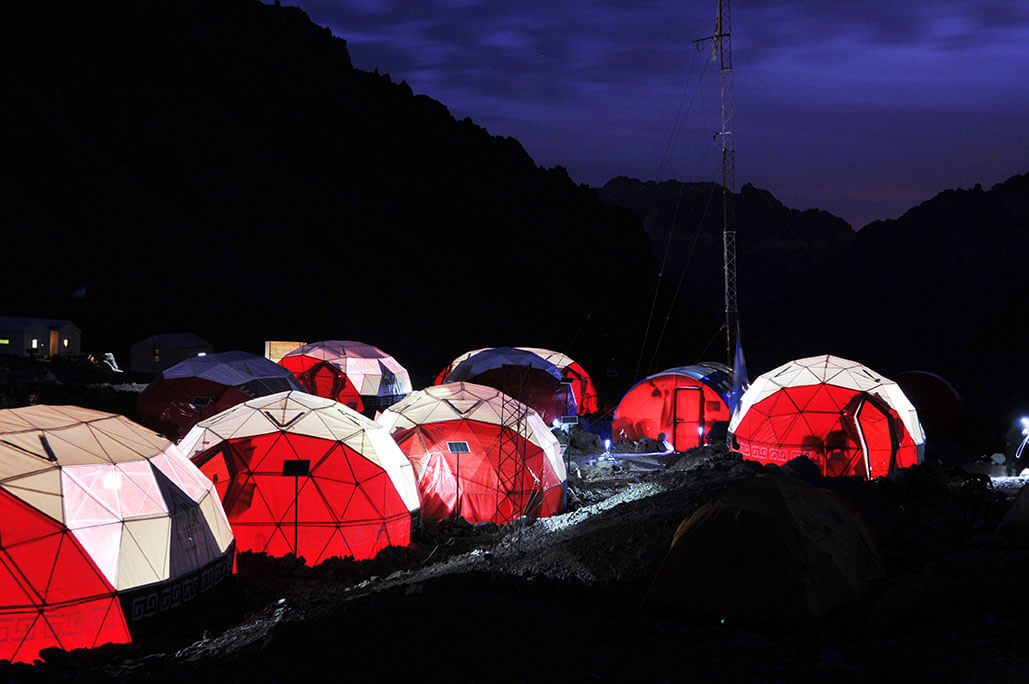
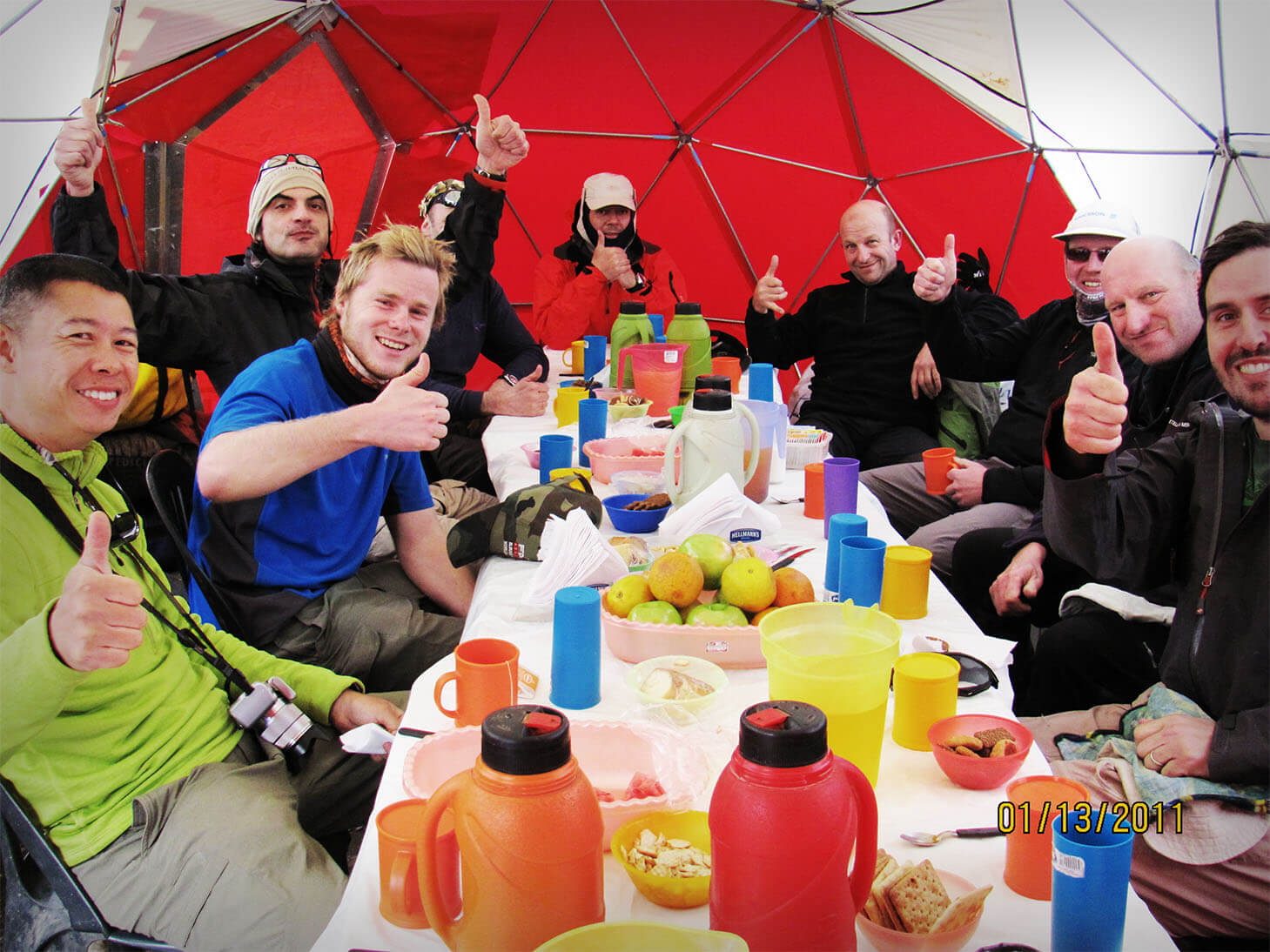
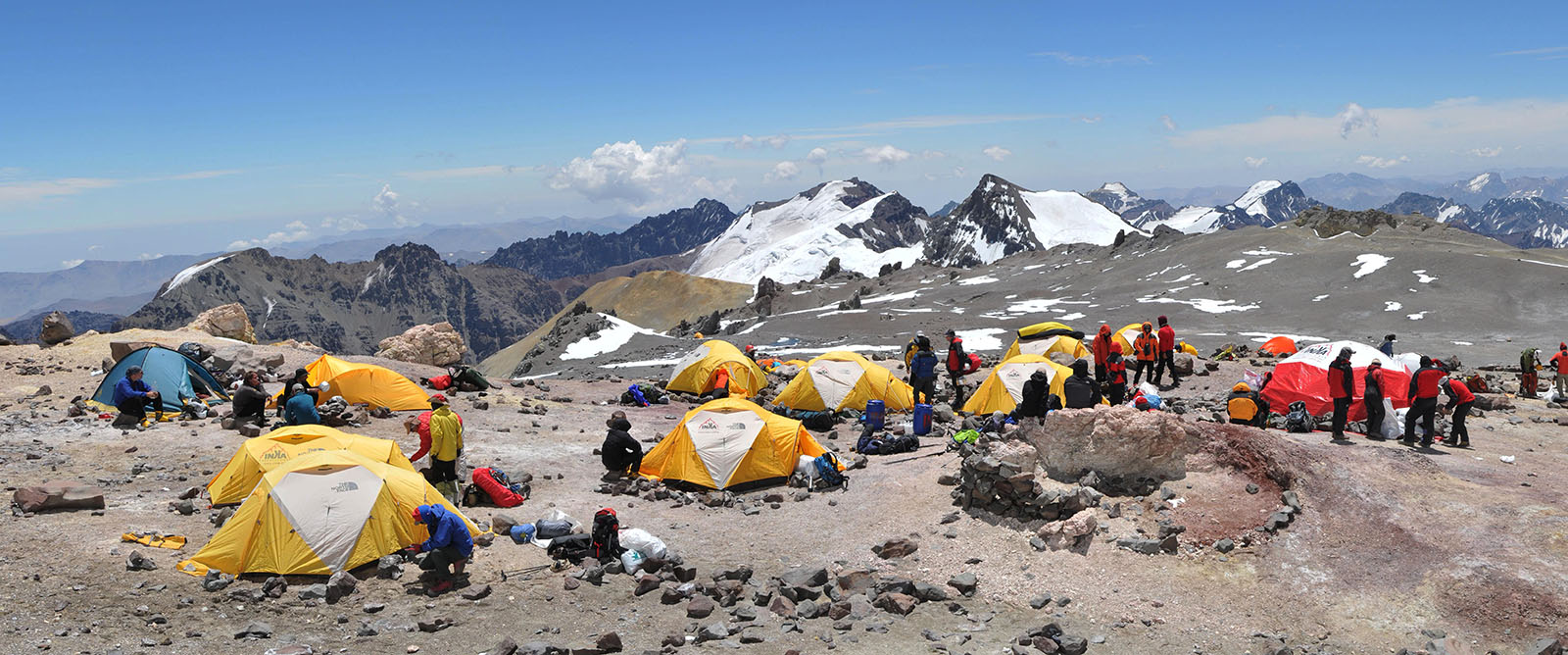
An expedition to Aconcagua requires organization, especially in high-altitude camps: meal preparation, control of ascent and rest times. The guide takes care of these logistical aspects, freeing participants to focus on what truly matters: enjoying and facing the challenge of the mountain.
Authority and Decision-Making
In the mountains, the guide is the highest authority of the group. This means they have the responsibility and ability to make decisions that may not always align with the participants’ wishes, but that always prioritize collective safety. Knowing when to move forward, when to stop, or even when to give the order to turn back is an essential part of their role. This authority, backed by experience and judgment, ensures that every step in the mountain is taken responsibly.
Physical and Emotional Support
Beyond technical expertise, the guide plays a fundamental human role. They motivate the group in moments of fatigue, detect early signs of exhaustion or altitude sickness, and know when to push forward and when to recommend retreat. Their experience allows them to make critical decisions that can save lives.
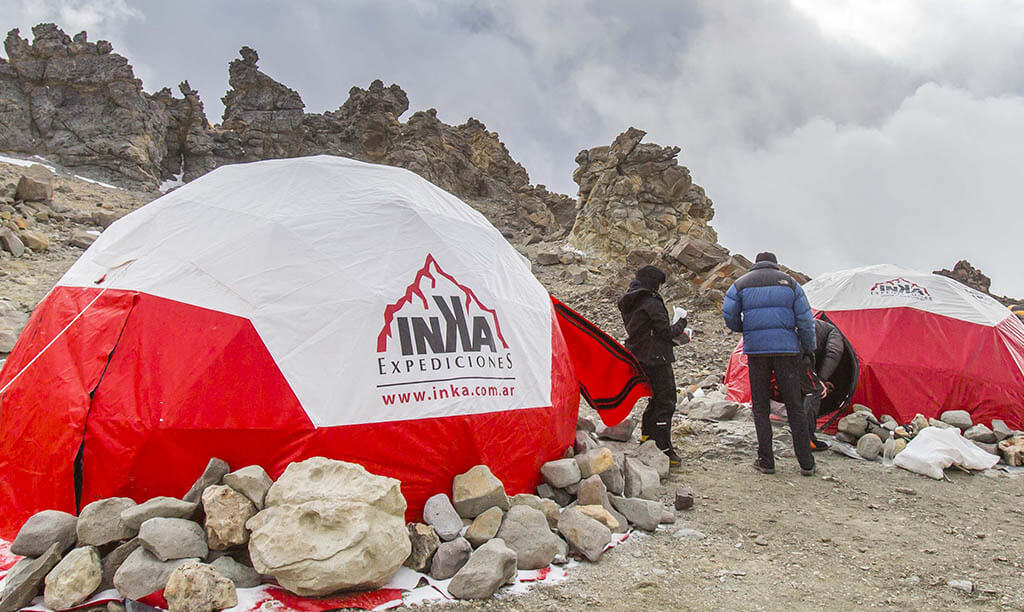
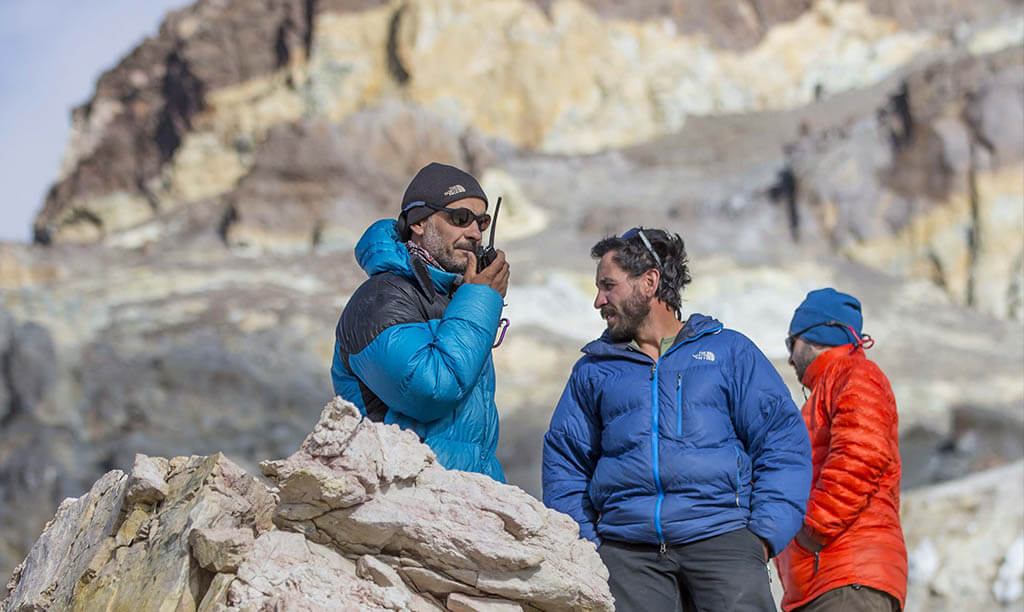
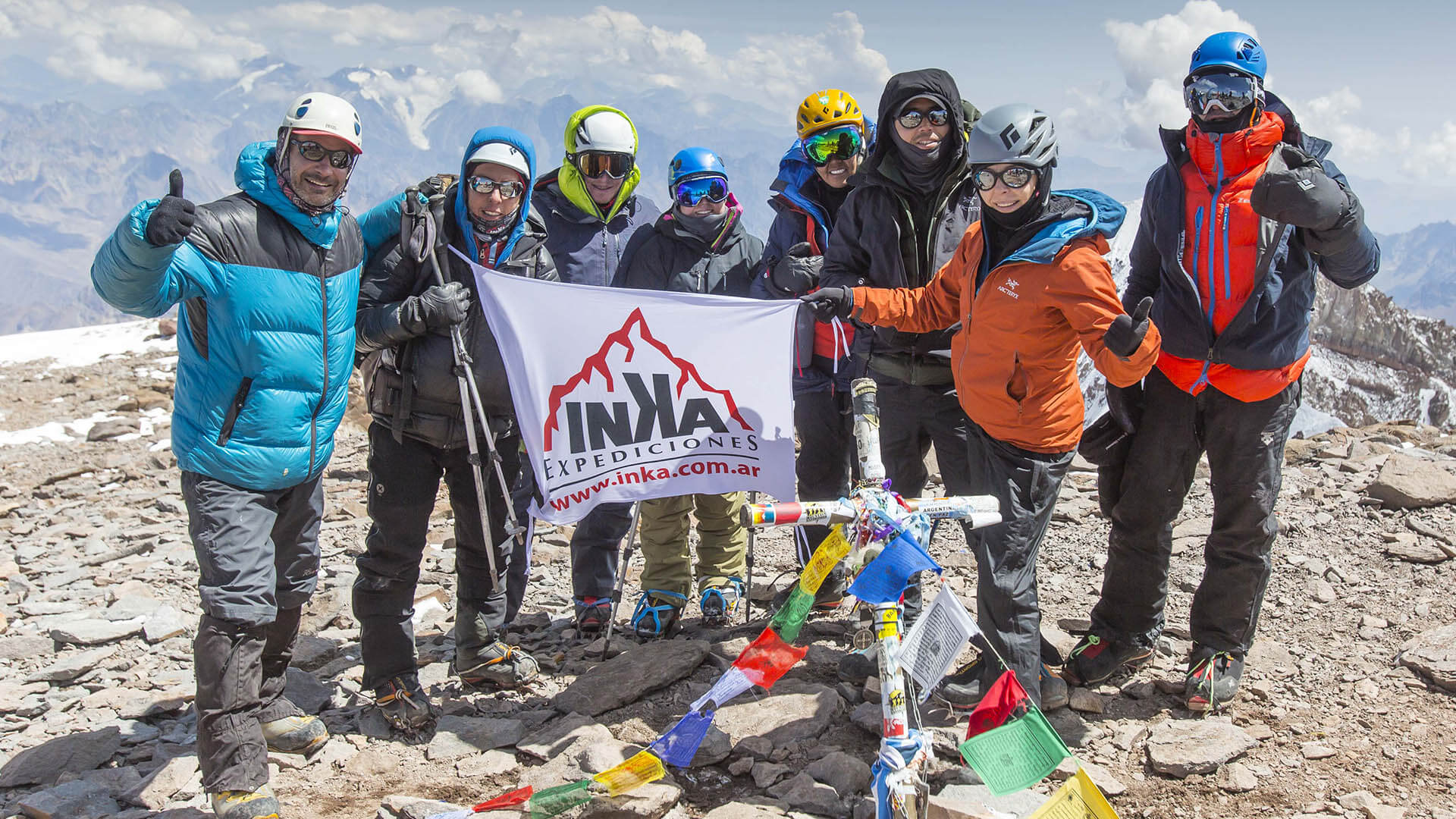
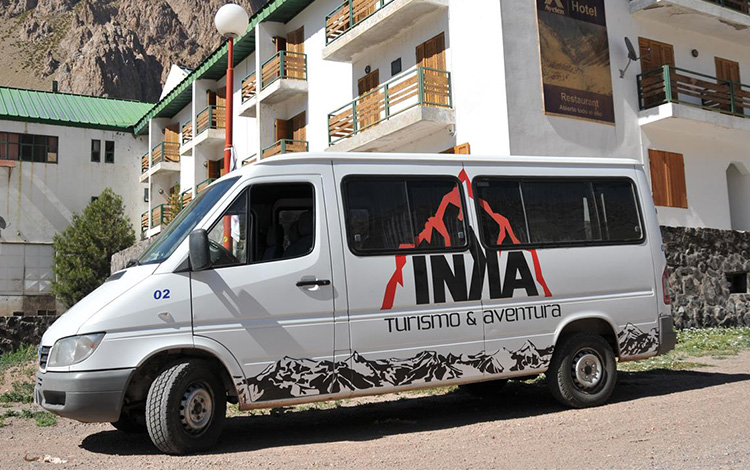
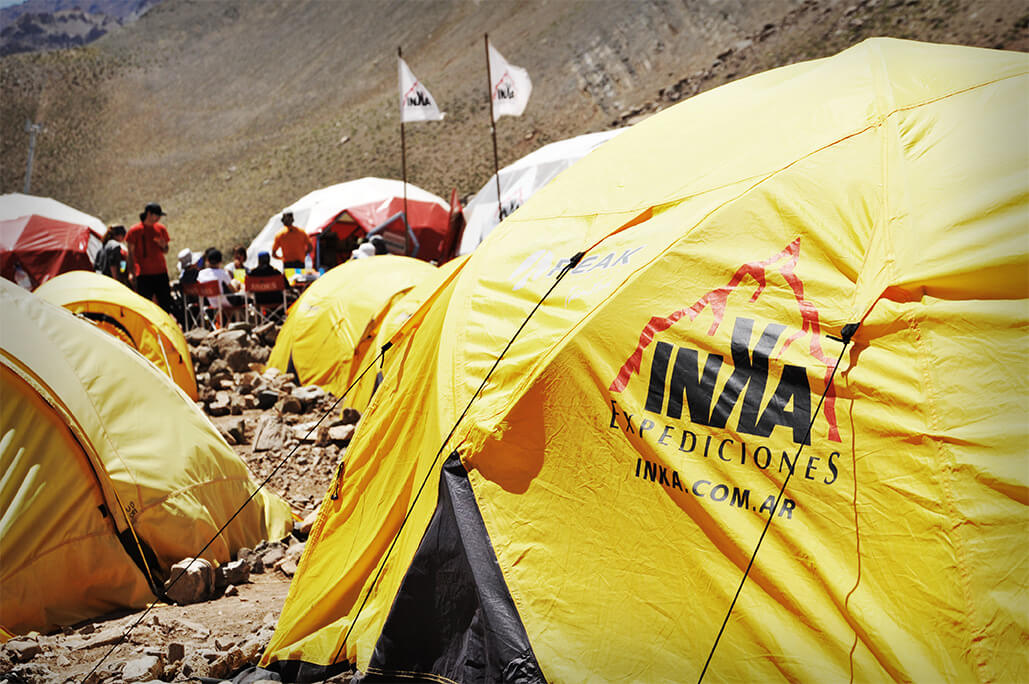
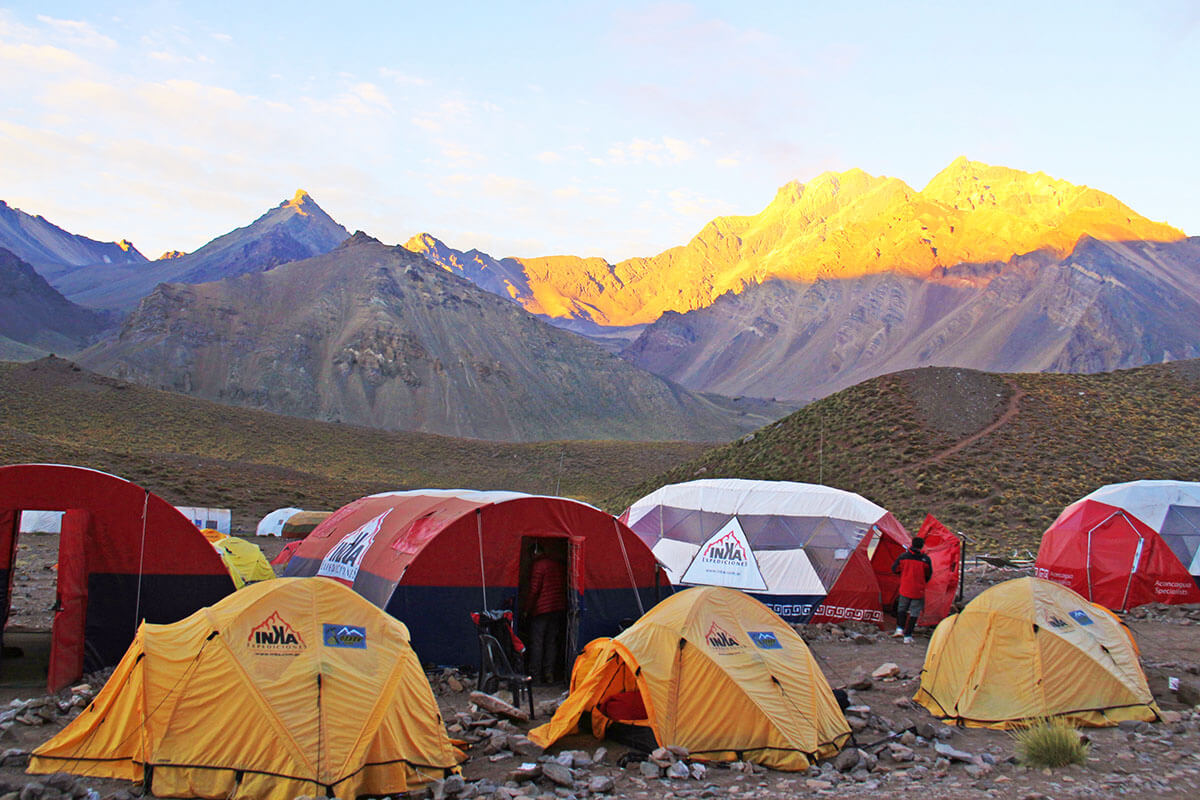
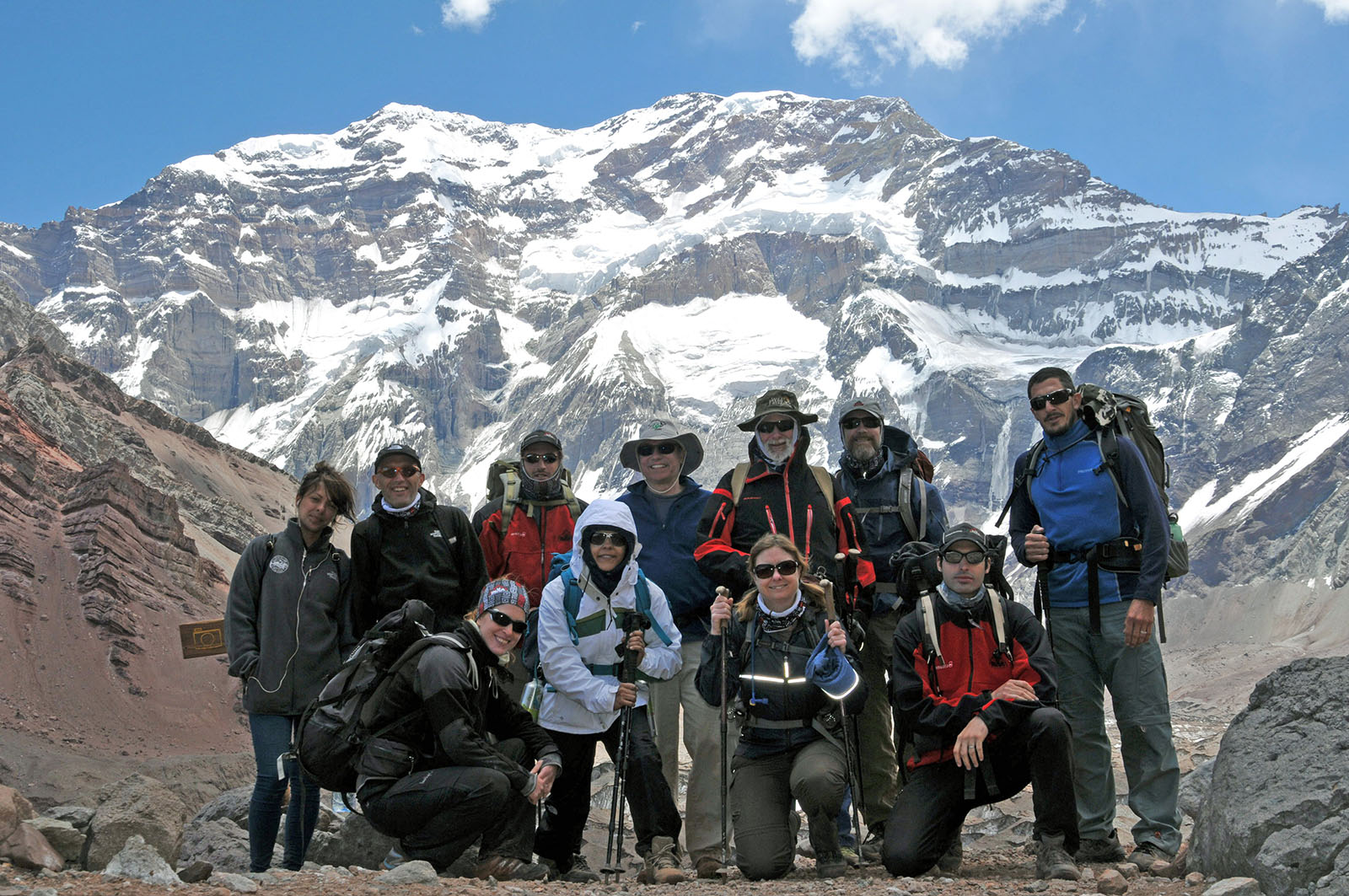
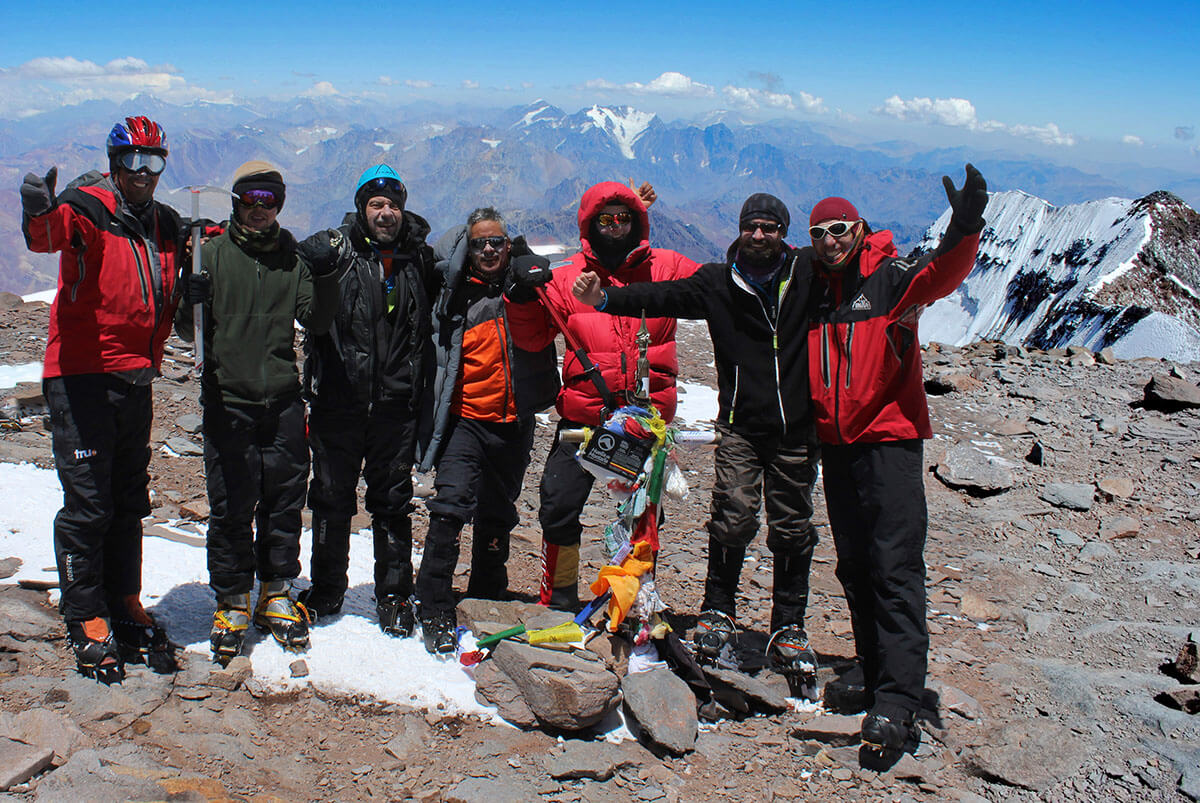
Inka Expediciones hires the services of certified professional guides, authorized to operate in the Aconcagua Park and that also show vast experience in Aconcagua and in different mountains of the world.
What roles do the guides in our expeditions?
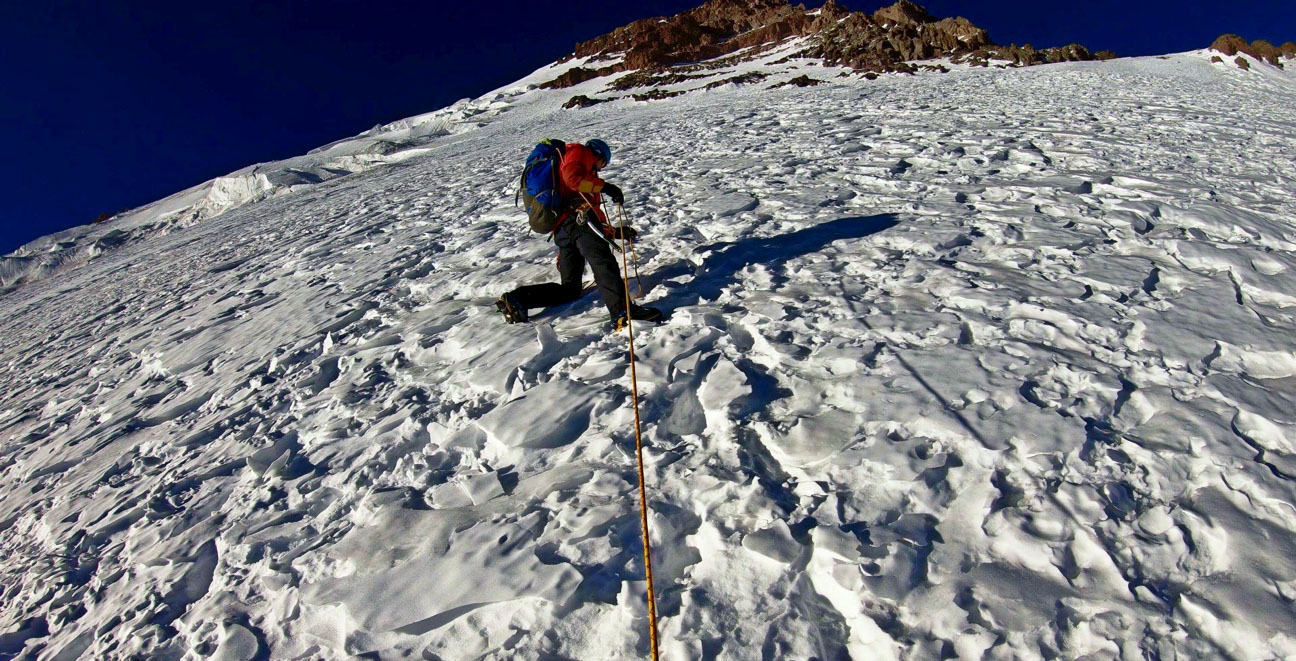
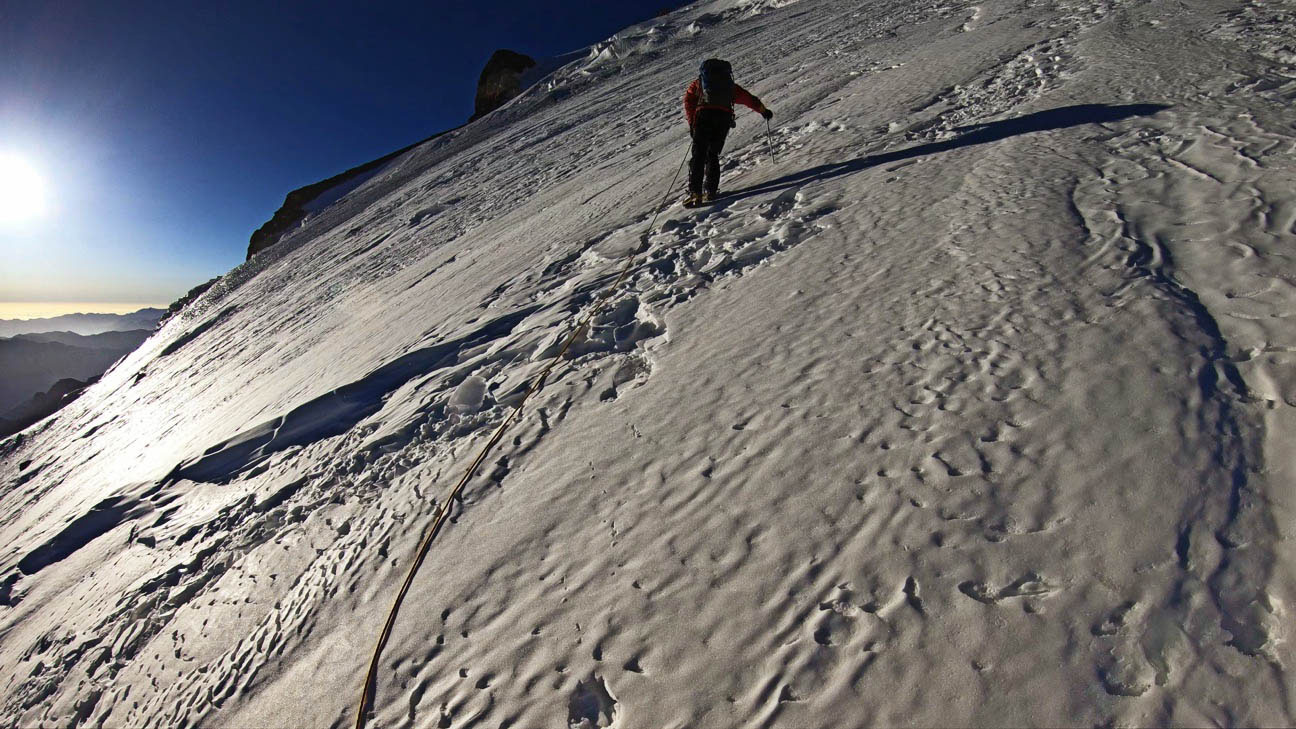
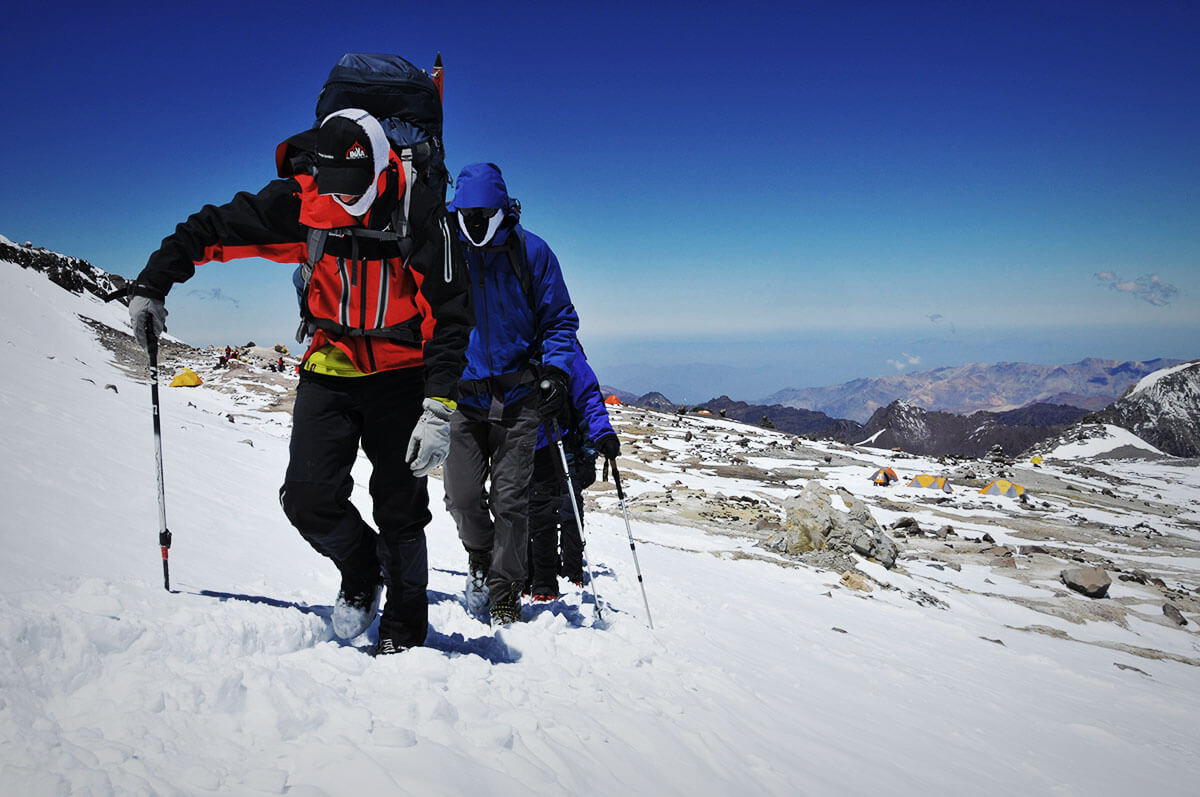
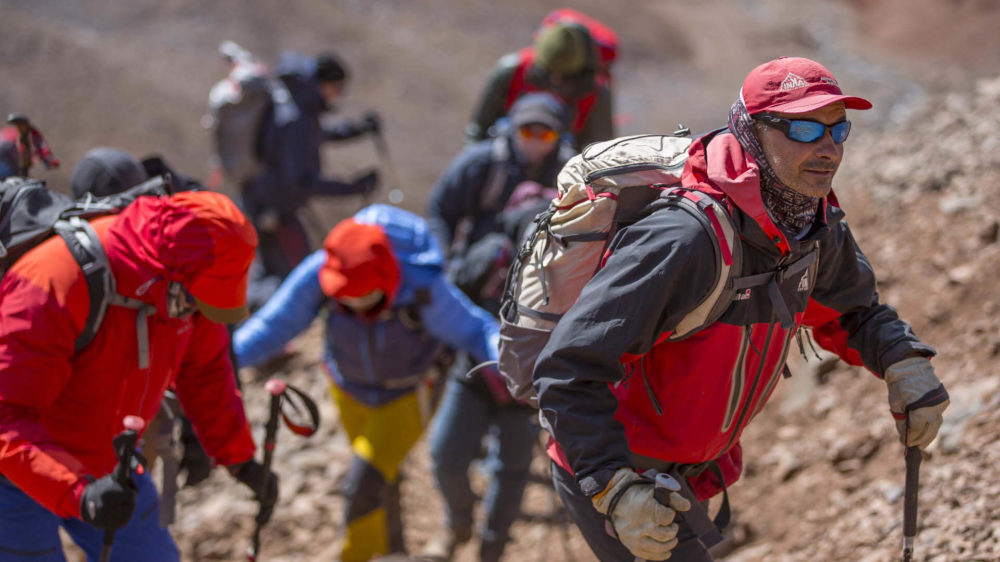
An experienced guide is the key to both success of the expedition and personal safety. The guides will personally attend to all your needs on the mountain. Continuously by your side, checking equipment, securing your crampons, securing ropes if necessary, organising your meals and provisions and monitoring your hydration levels for proper regulation of altitude adaption which is imperative for your physical conditioning whist climbing at altitude.
The services of guides fulfils both quality and safety standards. They are selected very carefully, knowing that the life of a climber depends on their training and experience. All guides have been trained especially for first aid care in inhospitable areas and treat all health problems from exposure to cold and altitude sickness.