

FROM THE SECTION:
Key Training Tips for Kilimanjaro (5,895 m)
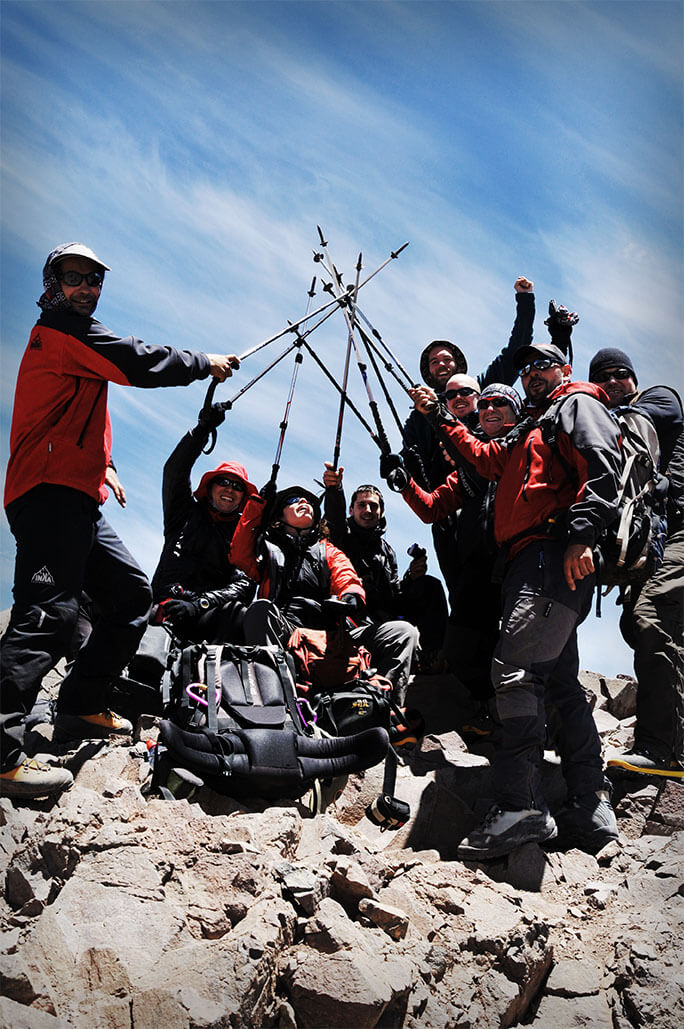
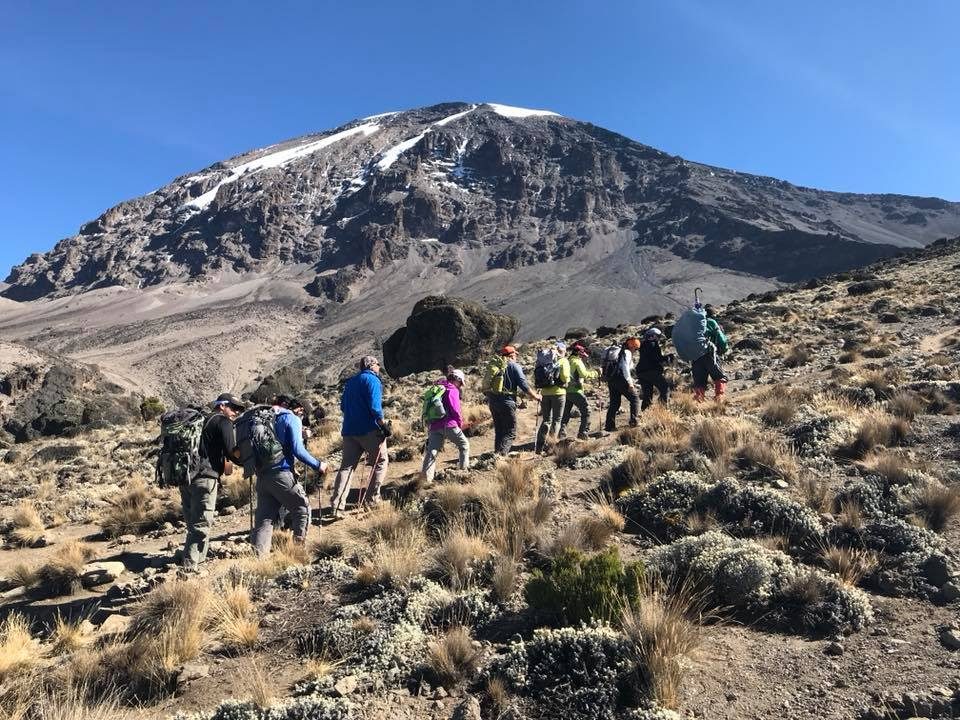
Climbing Kilimanjaro not only means reaching the 5,895 meters of Africa’s highest peak, but also living a unique experience that combines nature, culture, and personal achievement. Although it is not a technical mountain, the real challenge lies in the altitude and the ability to walk for several consecutive days, adapting both body and mind to an increasingly demanding environment.
The key to success is a solid preparation in advance: training endurance, strengthening your body, learning to move slowly, and staying motivated throughout the expedition. In this article, you will find the foundations to design your training and arrive at the start of the adventure with the confidence needed to reach the summit of Kilimanjaro.
-
Understanding Kilimanjaro
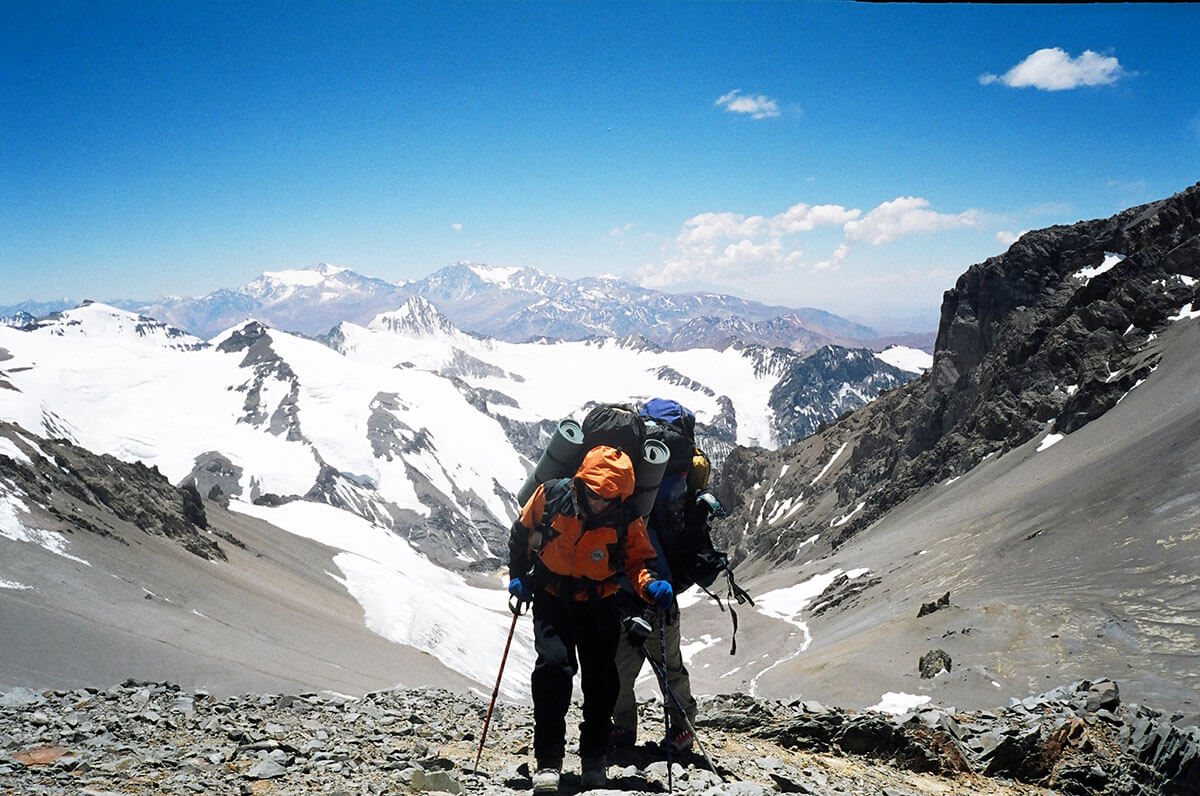
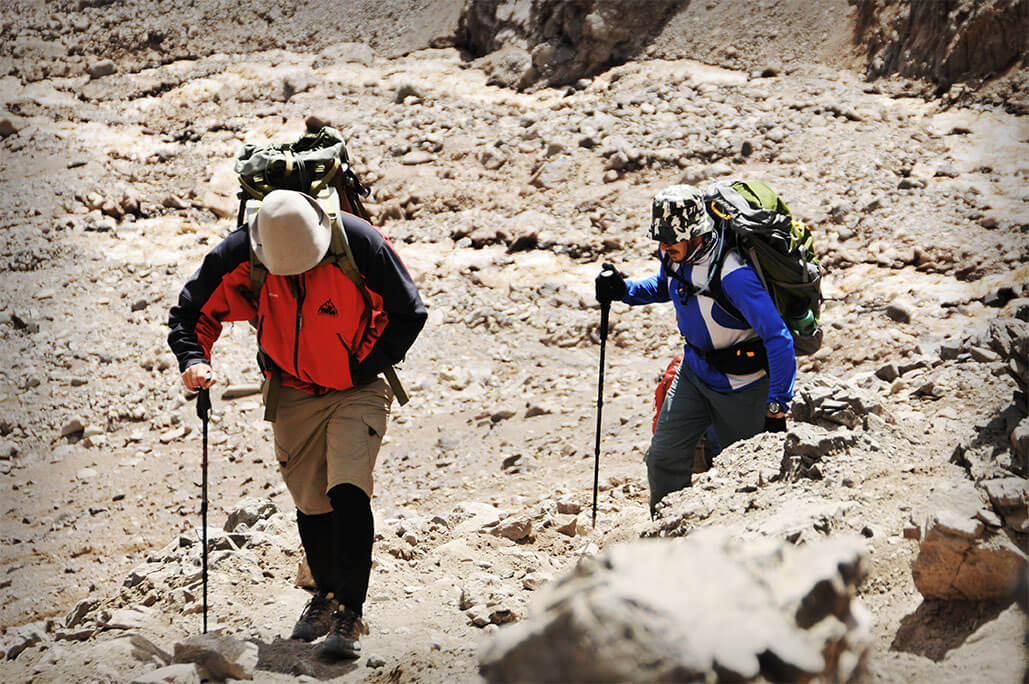
- Climbing Kilimanjaro is an activity of long-term endurance, with hikes lasting 6 to 8 days, averaging 6 to 8 hours a day, except for summit day which can be 10 to 12 hours.
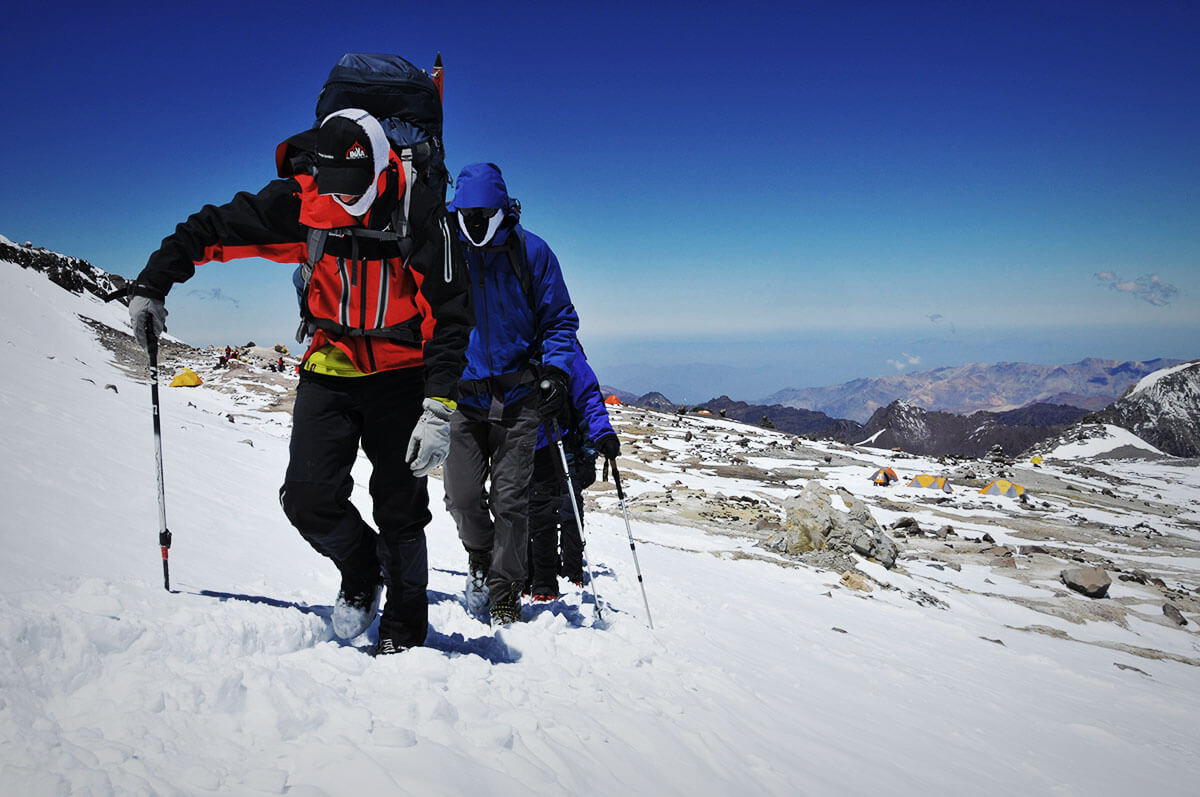
- You will not need to carry very heavy backpacks, since porters carry most of the gear. You will only carry a daypack (5–7 kg).
- The main challenge is not the weight, but walking many consecutive days, at gradually increasing altitude and with little real rest. Our program is designed with gradual progression to ensure good adaptation to altitude, understanding that you have done solid physical preparation before the trip.
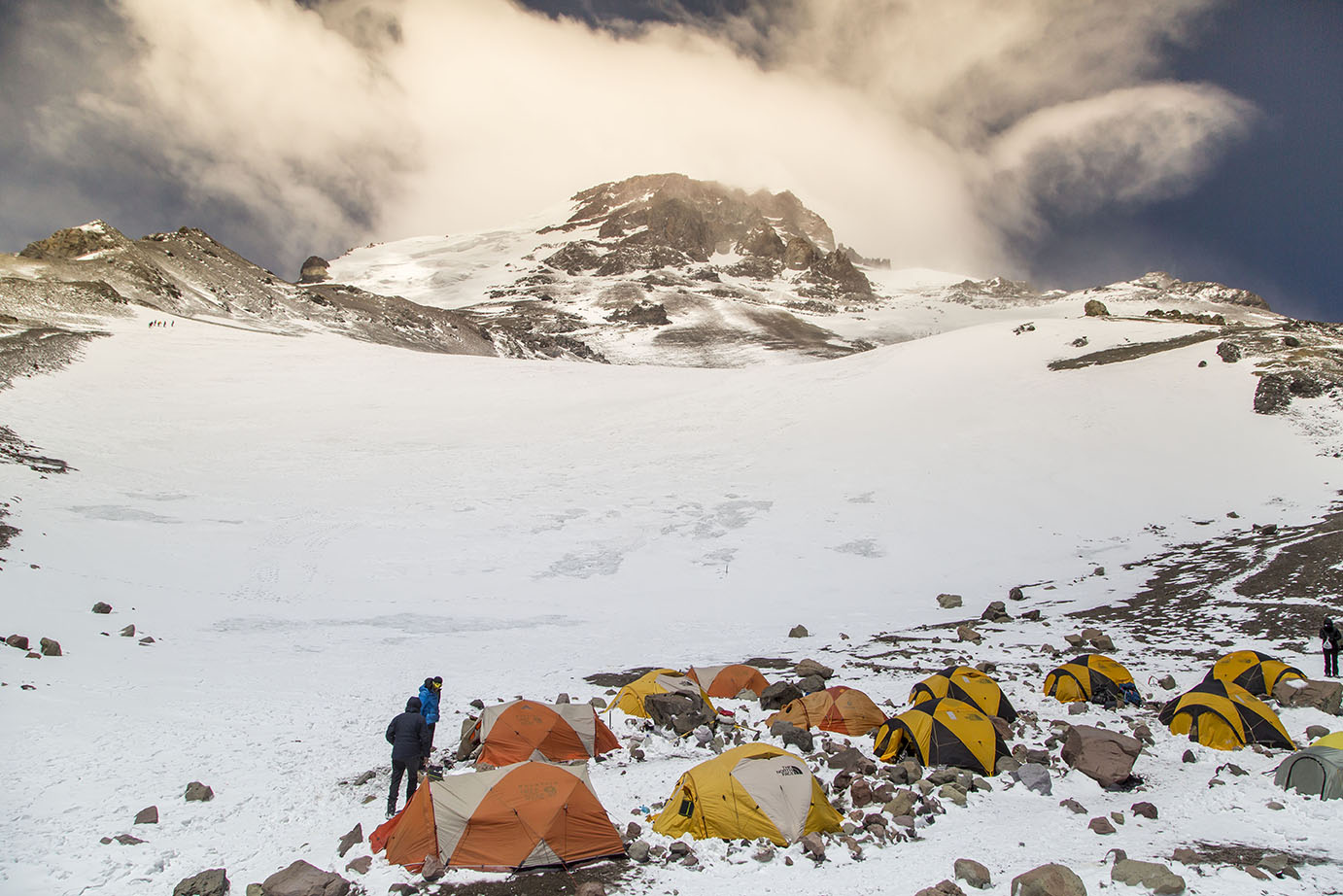
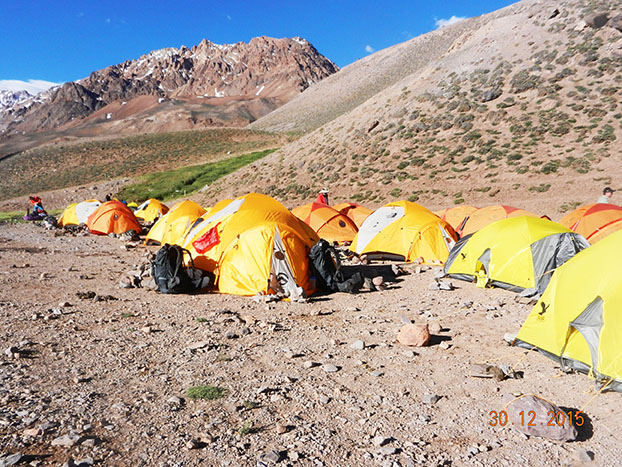
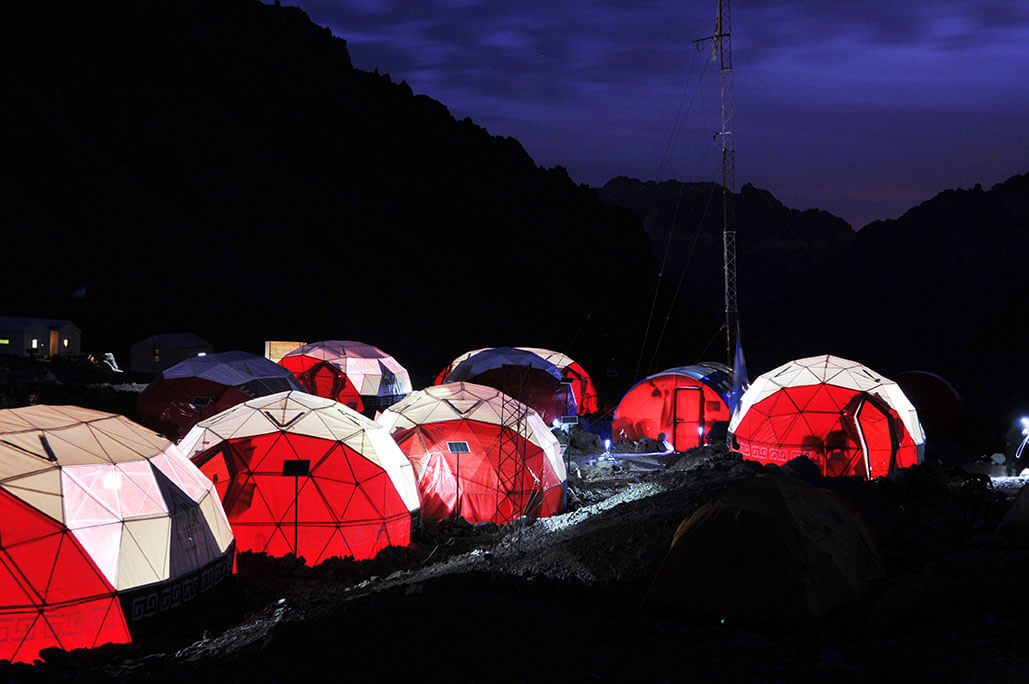
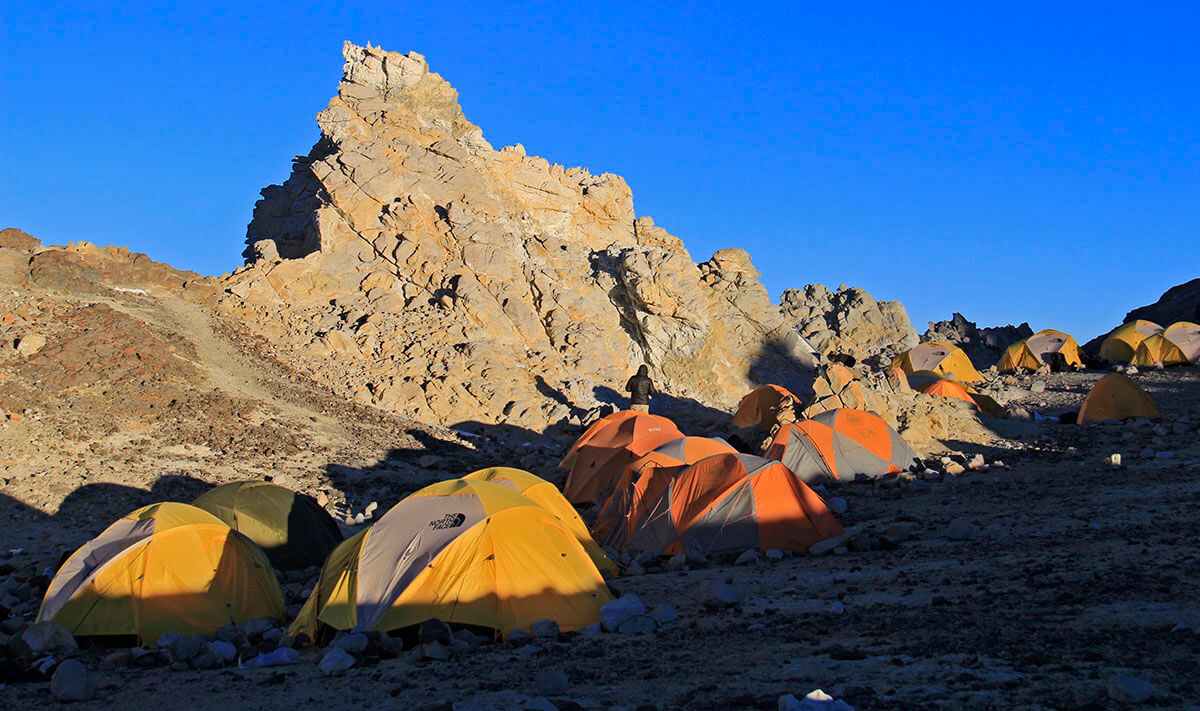
- You will sleep in tents, with temperatures ranging from intense heat in the rainforest to extreme cold at higher altitudes. For this reason, it is important to respect the required equipment list.
- The expedition’s lead guide, who has experience on Kilimanjaro, will provide you with guidance prior to departure and also during the trip. His support includes recommendations for your physical and mental preparation, how to handle acclimatization, and how to approach consecutive days of trekking at altitude. Being well-informed before the challenge, following training guidelines, and applying his advice on the mountain are key factors that increase your chances of successfully reaching the highest point of Africa.
-
Setting Goals and Planning
- For many, Kilimanjaro is their first high-altitude mountain.
- Define your goal: enjoy the journey and reach the 5,895 m summit.
- Set intermediate goals: do long treks, climb peaks of 3,000–5,000 m, or weekend hikes of 6–8 hours.
- Ideally, start training well in advance to arrive in good physical condition. If personal circumstances make this difficult, begin at least 4 to 5 months before the expedition. Gradual progression is essential for fitness, mountain experience, and especially acclimatization once on the mountain.
-
The Training Theory: Three Key Phases
Adaptation (4–6 weeks)
-
- Progressive, especially if you have little or no sports background.
- Short regular hikes, cycling, gym work with moderate weight.
Endurance (6–8 weeks)
-
- High volume, long hikes with a 5–7 kg daypack.
- Outings of 4 to 6 hours at a steady pace.
- At the gym: many repetitions with light weights.
Strength and Core (6–8 weeks)
-
- You don’t need large muscle mass, but strong legs and core are essential.
- Exercises: squats, lunges, deadlifts, planks, hypopressives.
- Alternate with long hikes to maintain endurance.
(The Power phase, important in other sports, is not as necessary for Kilimanjaro.)
-
Weekly Planning
- 3 to 5 sessions per week split between gym and hikes.
- One long weekend hike (simulate a trekking day in the mountains).
- Alternate strength and endurance days.
-
Mental Training and Experience
- Kilimanjaro is climbed slowly: the key is “pole pole” (slowly in Swahili).
- Train your patience: walk slowly, stay very well hydrated, rest properly, and keep your mind focused.
- Spend some days camping, experience discomfort, so you arrive mentally prepared and without losing expectations.
-
Altitude Exposure
- If possible, do some prior ascents to peaks of 3,500–5,000 m. It is important to add experiences at different altitudes, maintaining confidence and realistic expectations for summit day on Kilimanjaro.
- Your body needs to experience what it’s like to walk with less oxygen before facing Kilimanjaro.
-
Nutrition and Supplements
- Focus on a diet rich in proteins and healthy fats.
- Stay well hydrated; at altitude you should drink at least 4 to 5 liters daily. On Kilimanjaro, even at lower altitudes, significant fluid loss occurs due to heat and humidity when starting out in the rainforest zone.
- Caffeine, amino acids, and magnesium can be useful allies, but always consult a specialist.
-
Minimum Training Duration
- A minimum of 4 months of preparation is recommended.
- Within this timeframe, you can complete the adaptation, endurance, and strength cycles, arriving at the trip with a solid base to face the challenge of this type of mountain.