

FROM THE SECTION:
The use of supplemental oxygen has become an increasingly valuable tool for improving the body’s oxygenation, reducing the physiological effects of high altitude, and providing additional support during the most demanding day of the expedition. In this article, you’ll learn how the system works, its key benefits, and why it can make a significant difference on the ascent to the highest peak in the Americas.
Aconcagua Summit Day: The Greatest Challenge of the Expedition
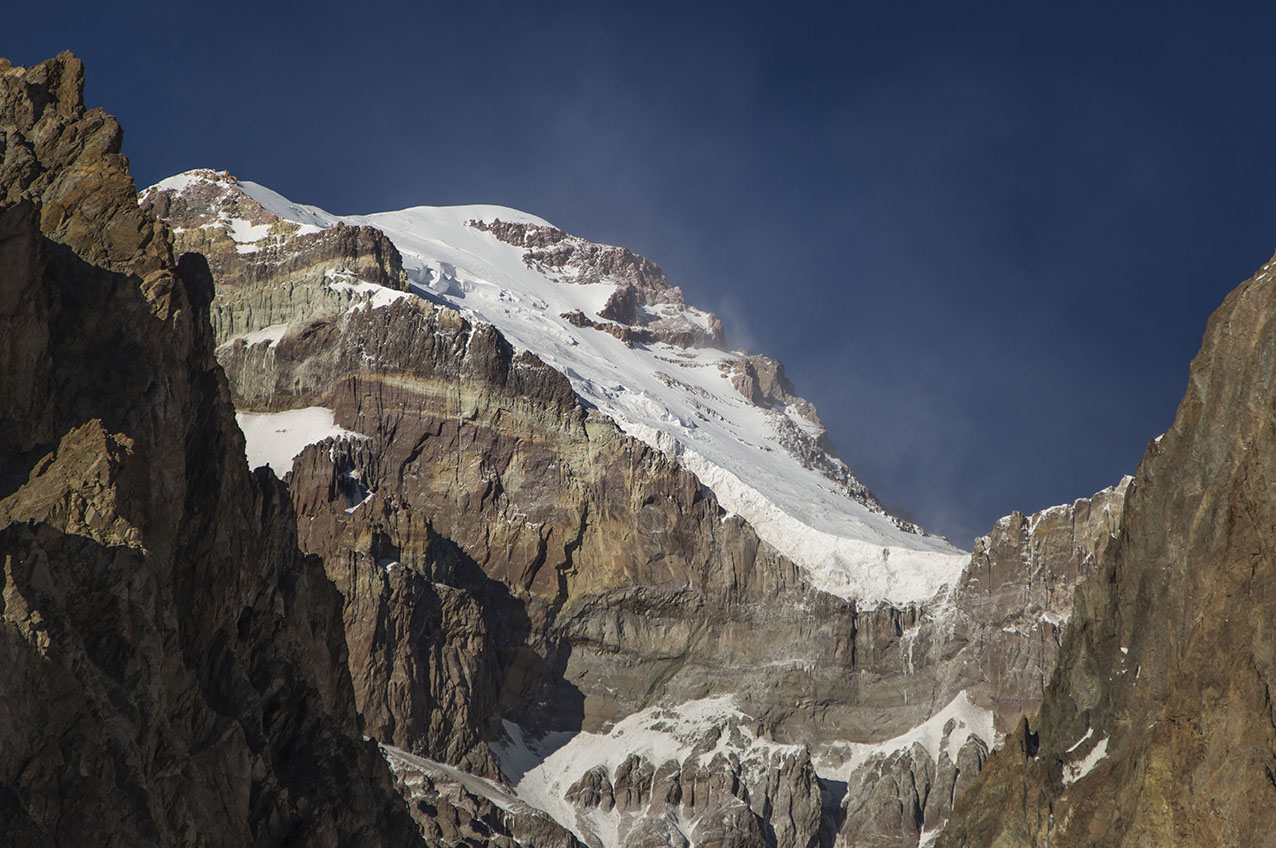
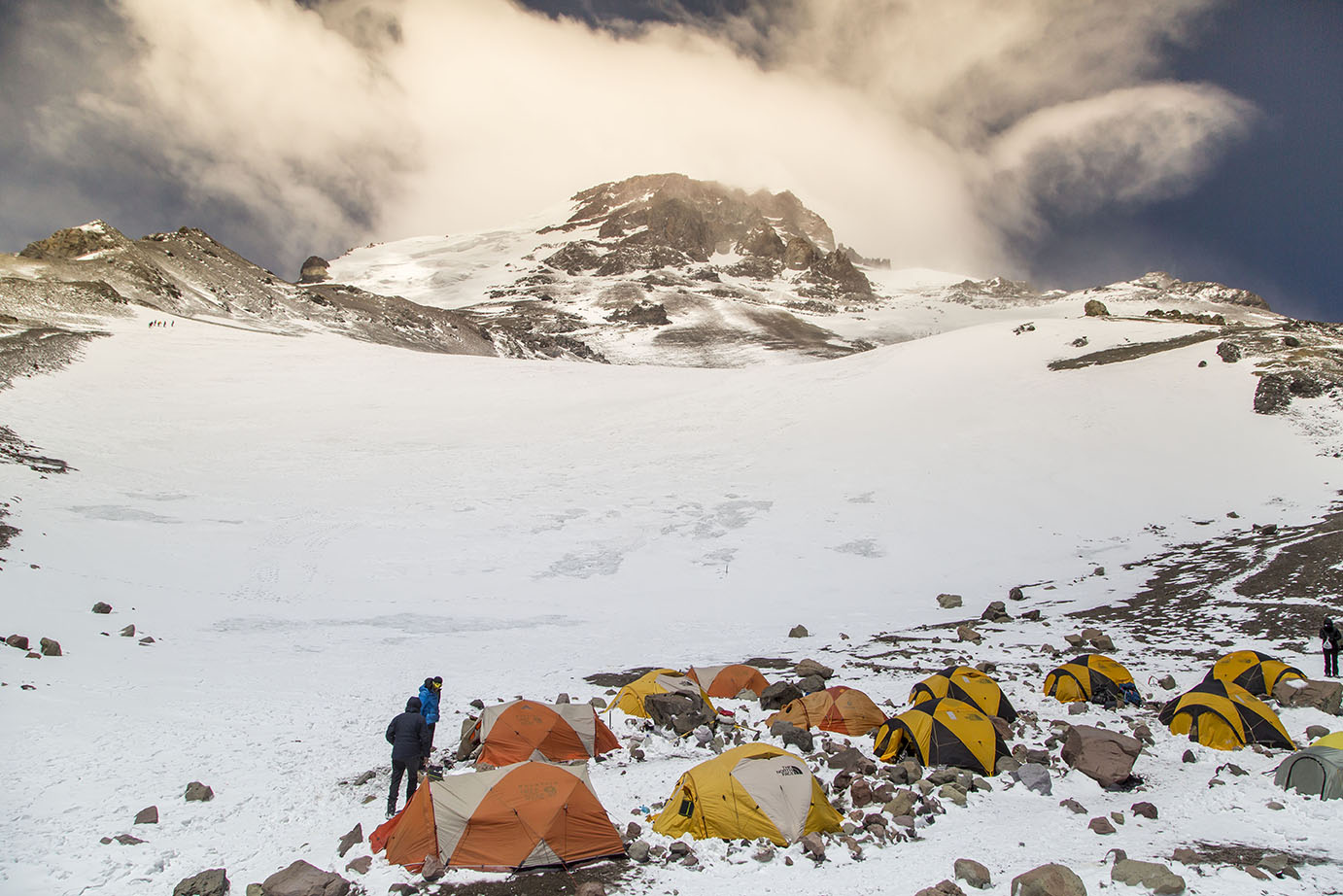
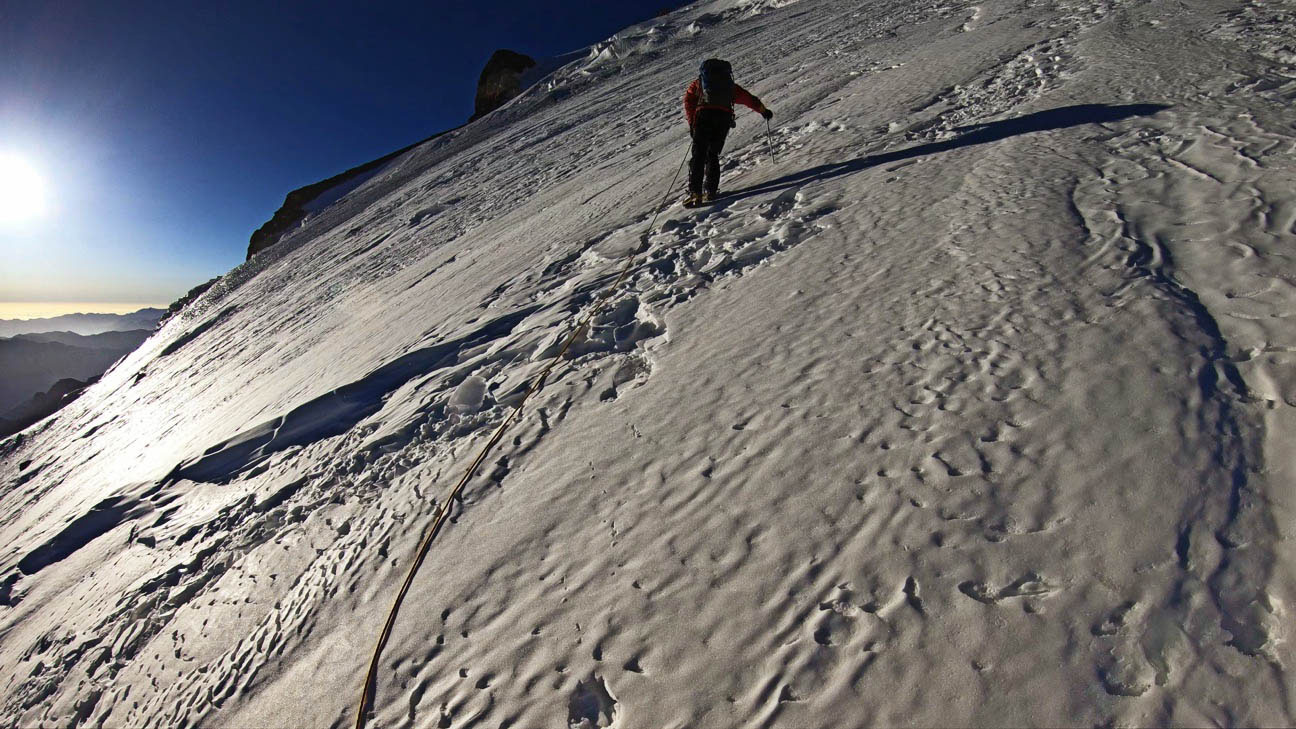
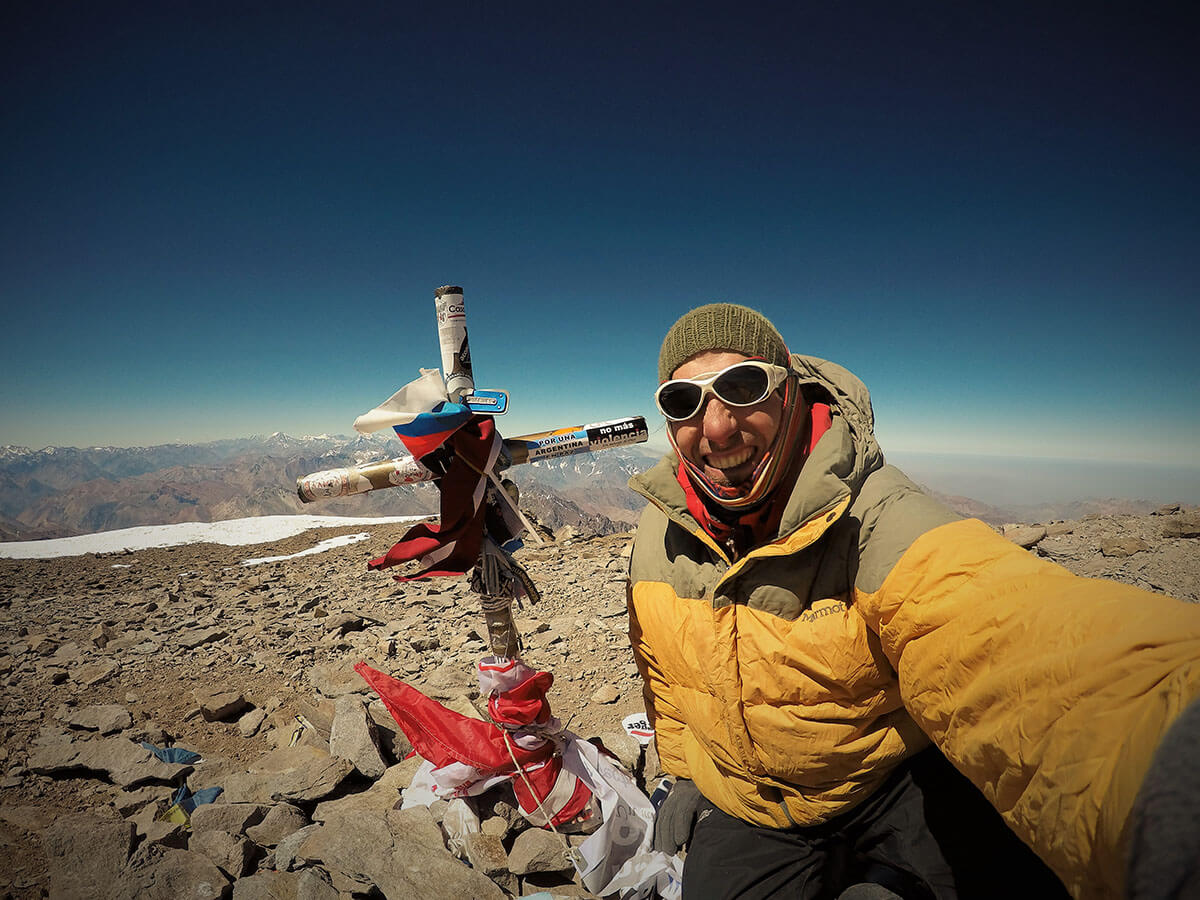
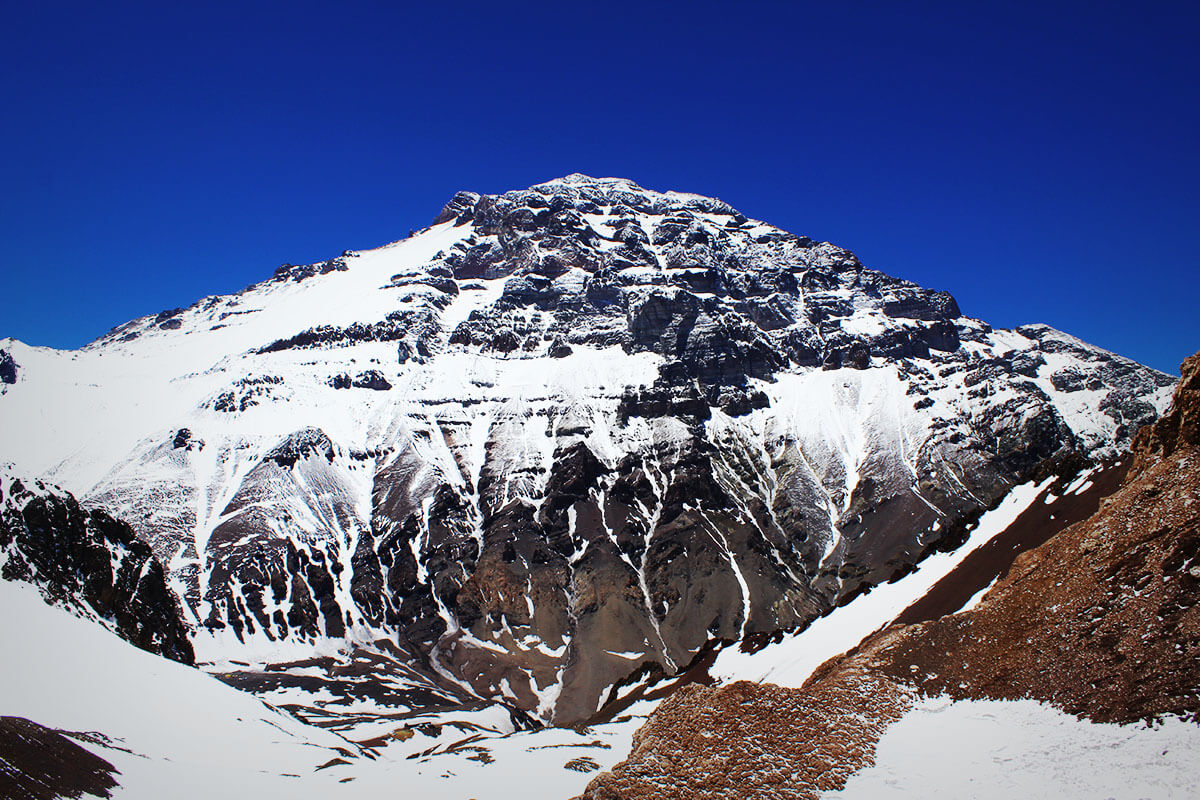
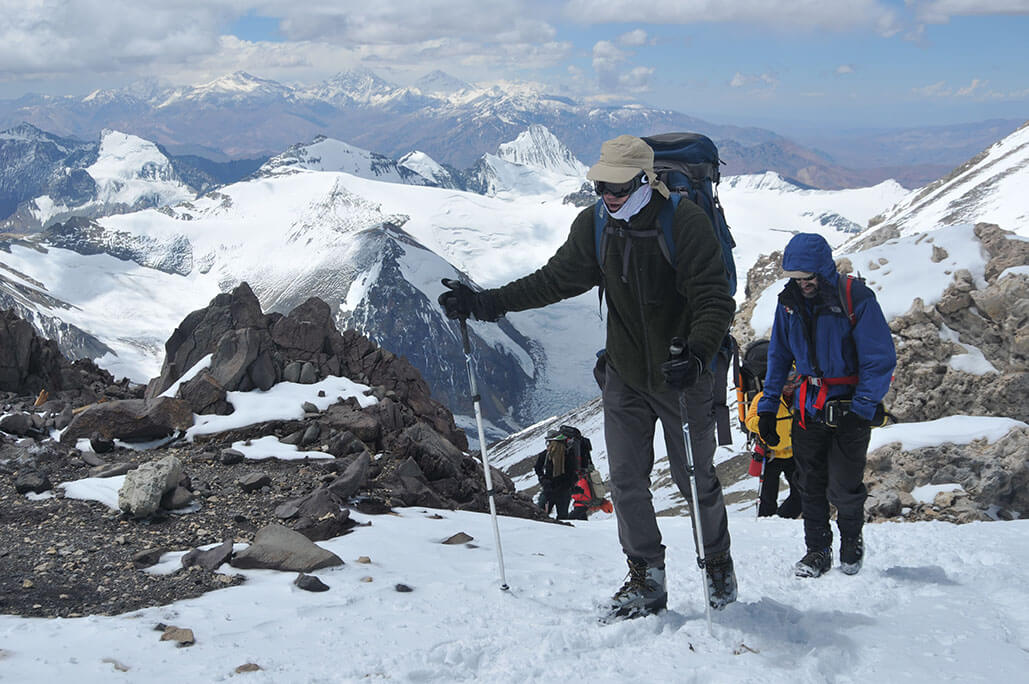
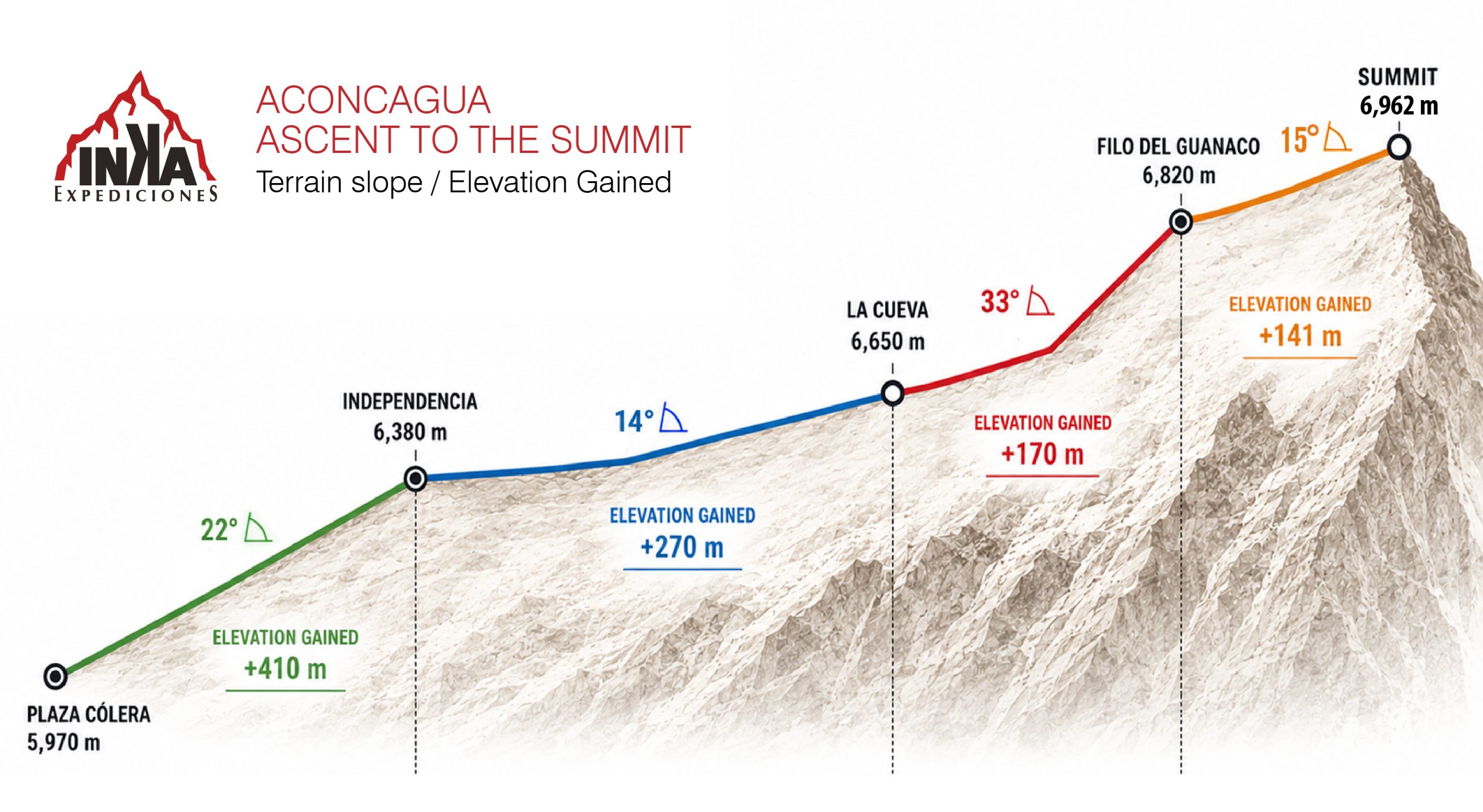
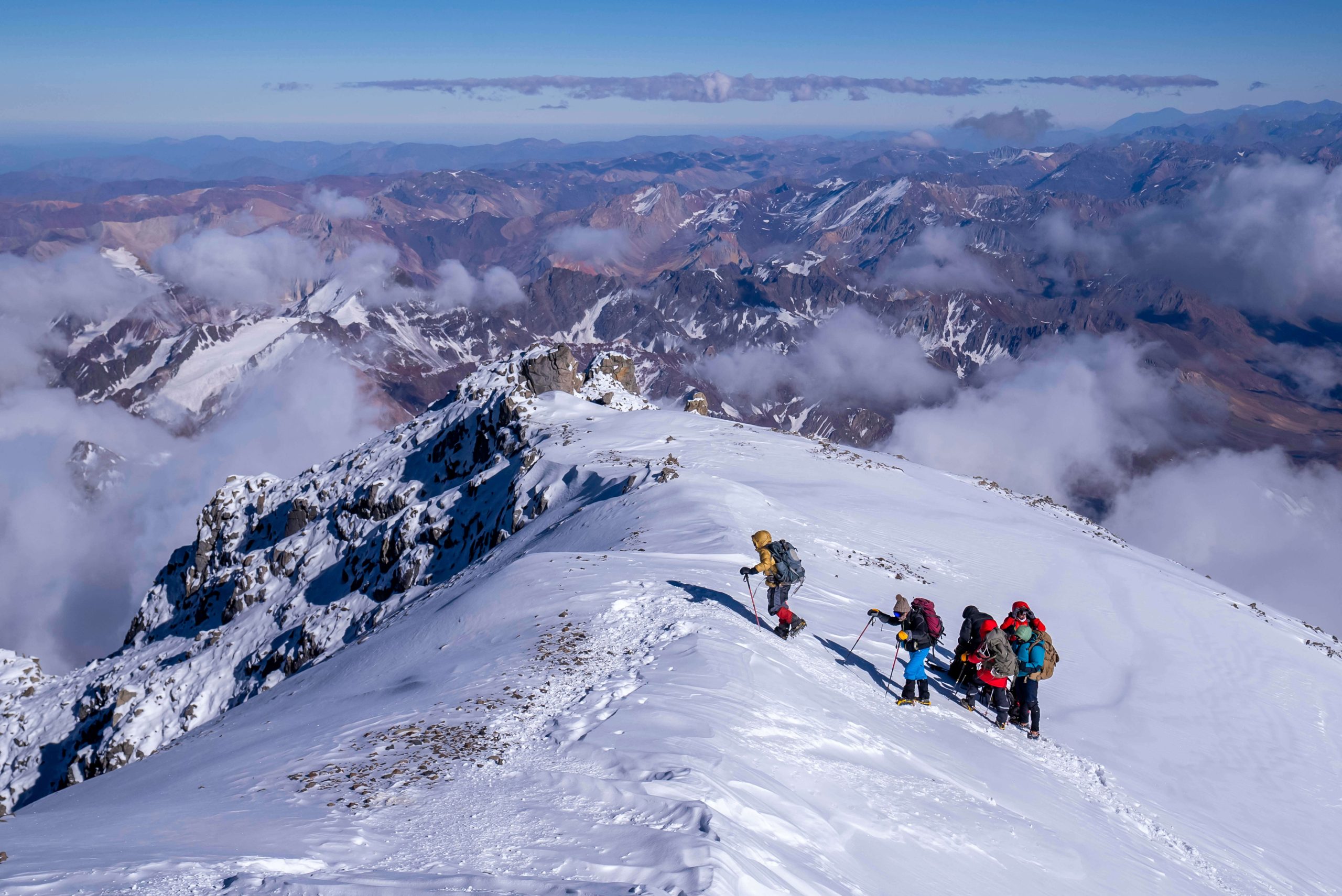
The ascent to the summit of Aconcagua (6,962 m / 22,841 ft) from Plaza Cólera Camp (approximately 5,970 m / 19,587 ft) is the most demanding stage of the entire expedition. On summit day, climbers must overcome nearly 1,000 meters (3,280 ft) of elevation gain in an environment with extremely low oxygen availability, freezing temperatures, strong winds, and many hours of continuous physical effort.
The day typically begins between 3:00 and 5:00 a.m. From that moment, climbers begin an ascent that usually takes 8 to 12 hours to reach the summit, depending on weather conditions, the team’s physical condition, and their level of acclimatization. The descent back to Plaza Cólera generally requires an additional 3 to 5 hours, making summit day a demanding effort lasting 12 to 17 hours in total.
Prolonged Effort in Extreme Conditions
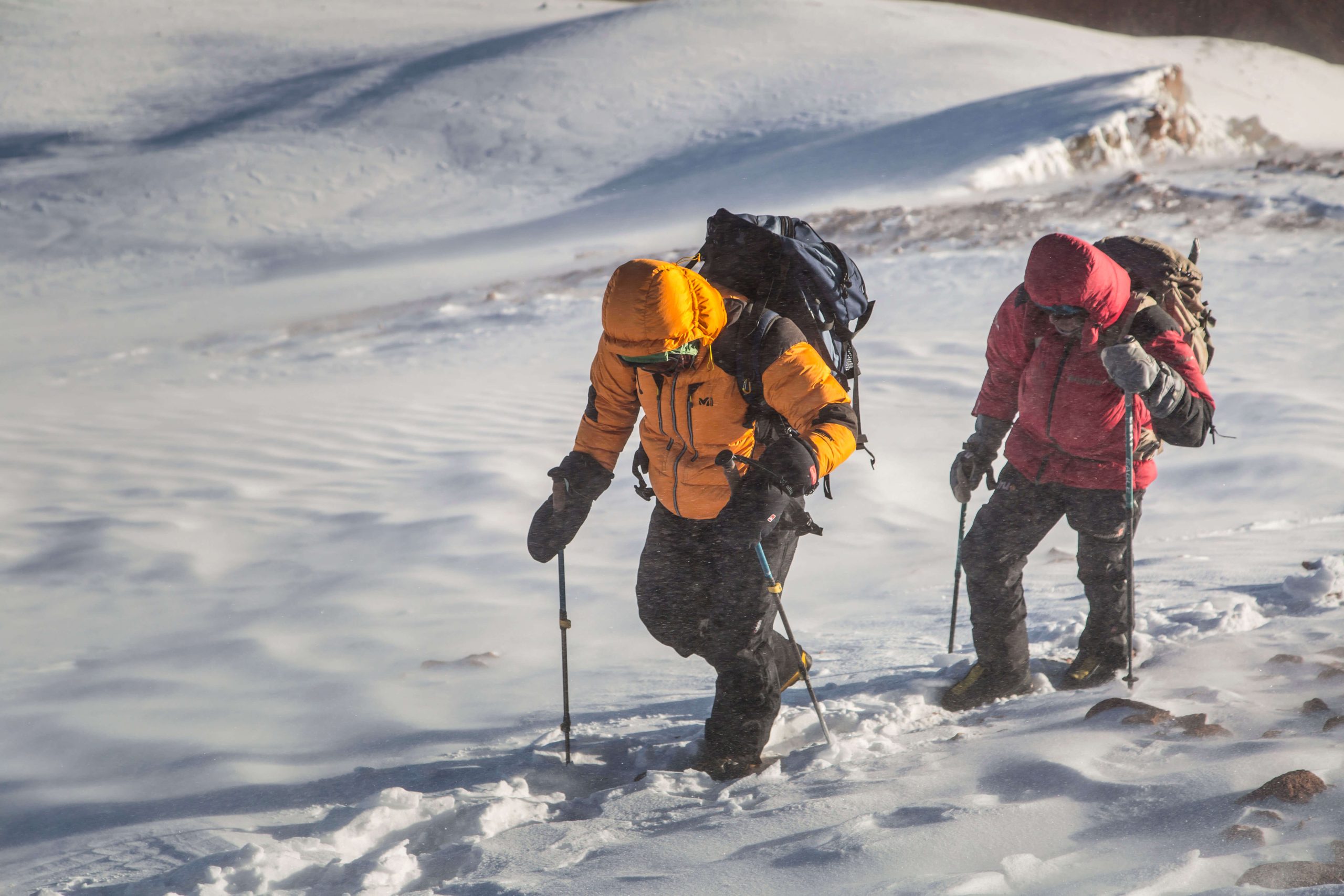
At nearly 6,000 meters (19,700 ft) above sea level, the human body is already operating close to its physiological limits. Atmospheric pressure is approximately half that at sea level, meaning that every breath delivers significantly less oxygen to the body.
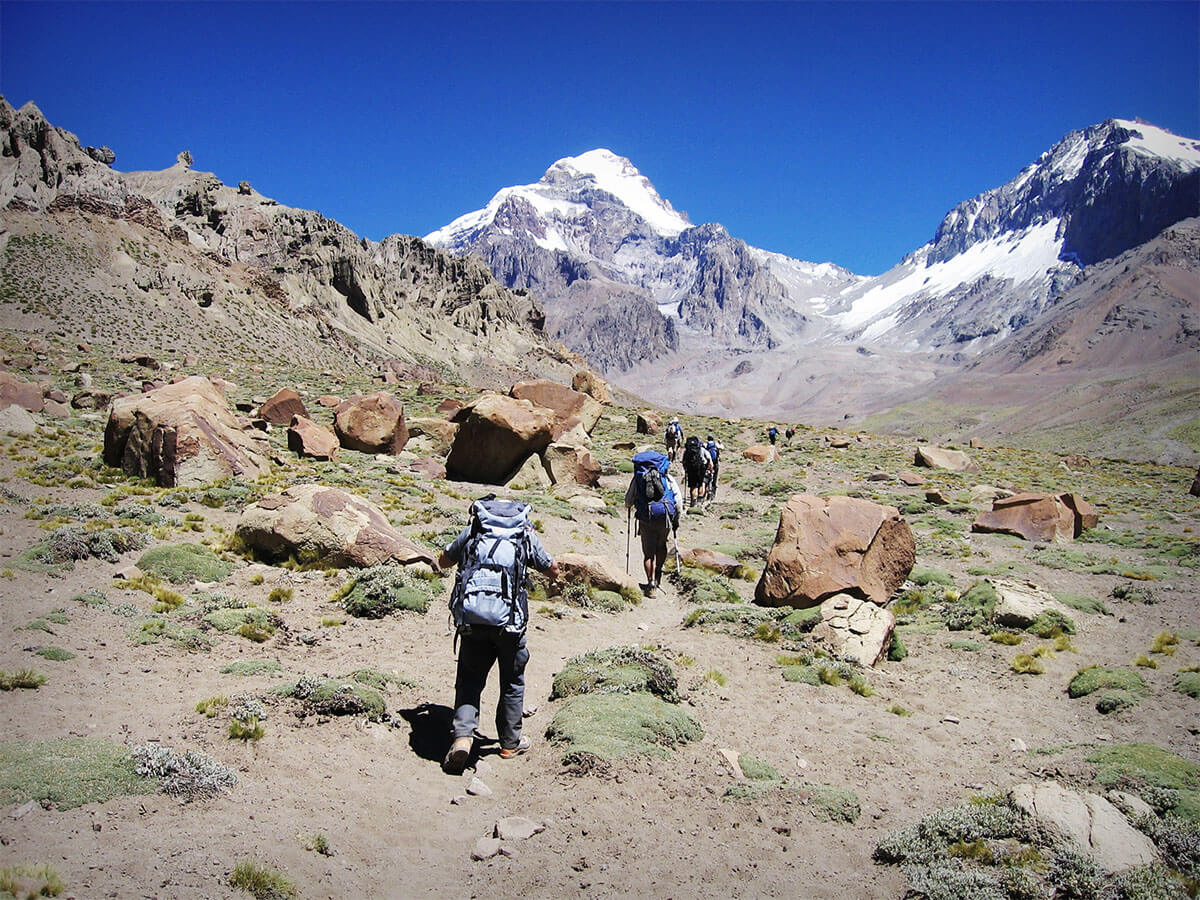
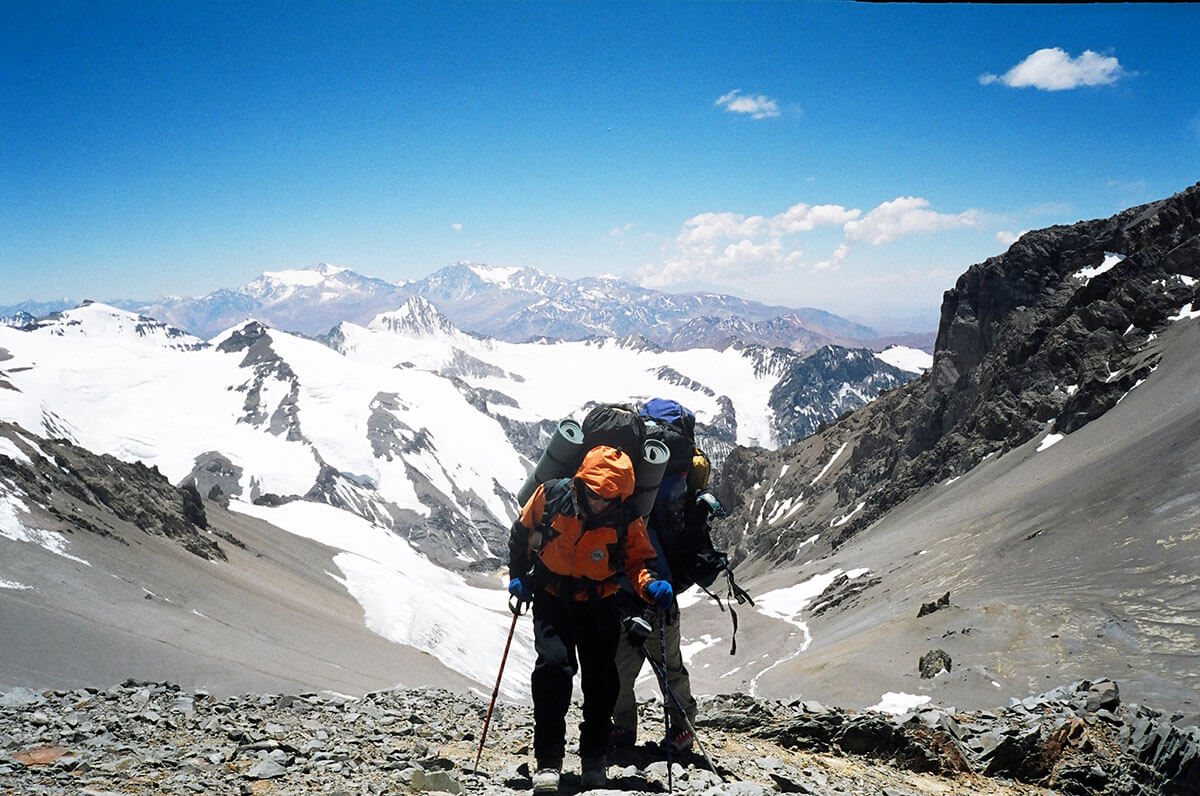
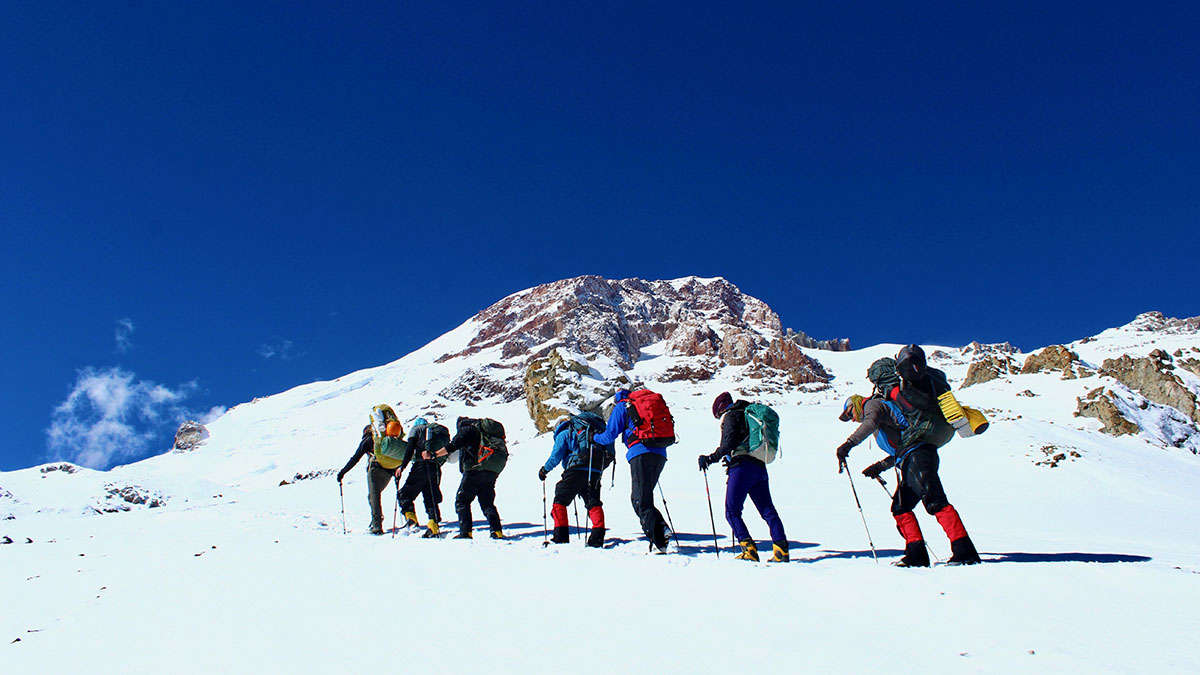
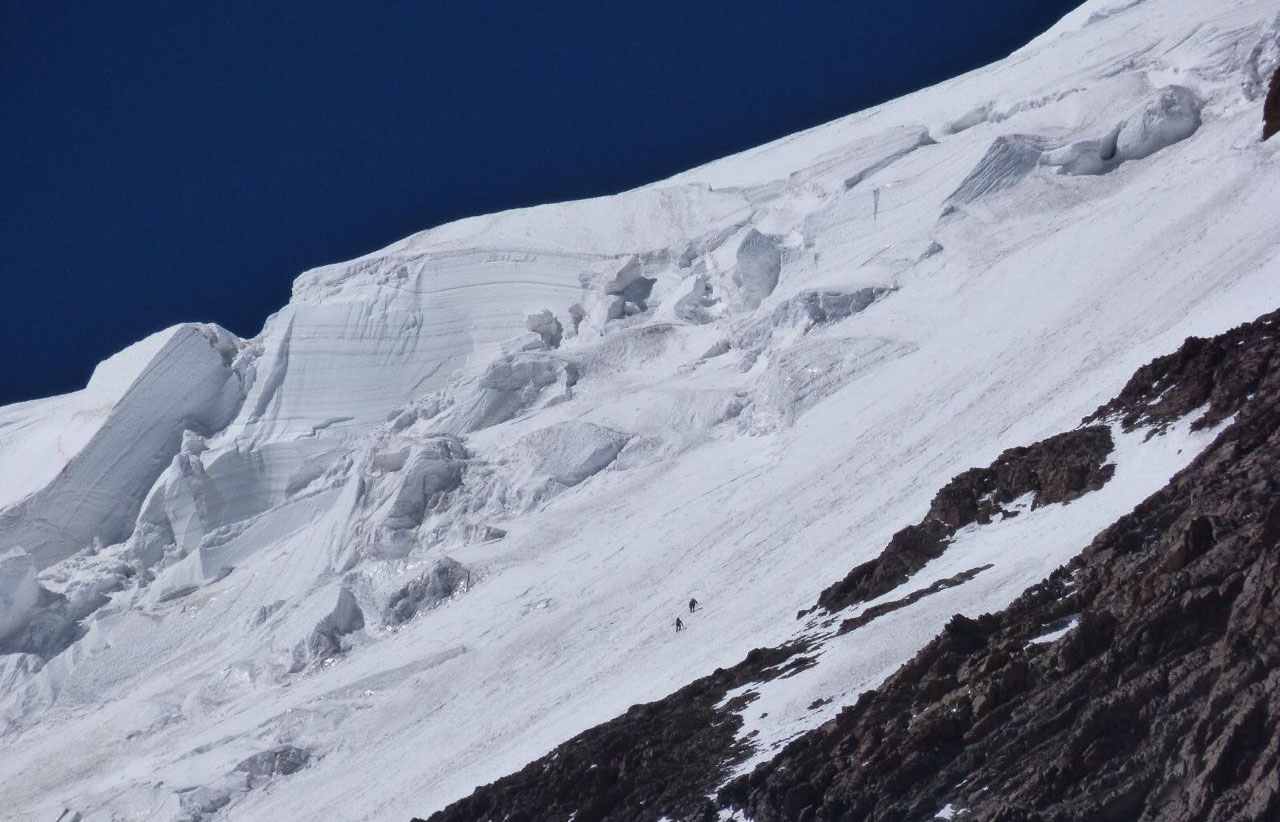
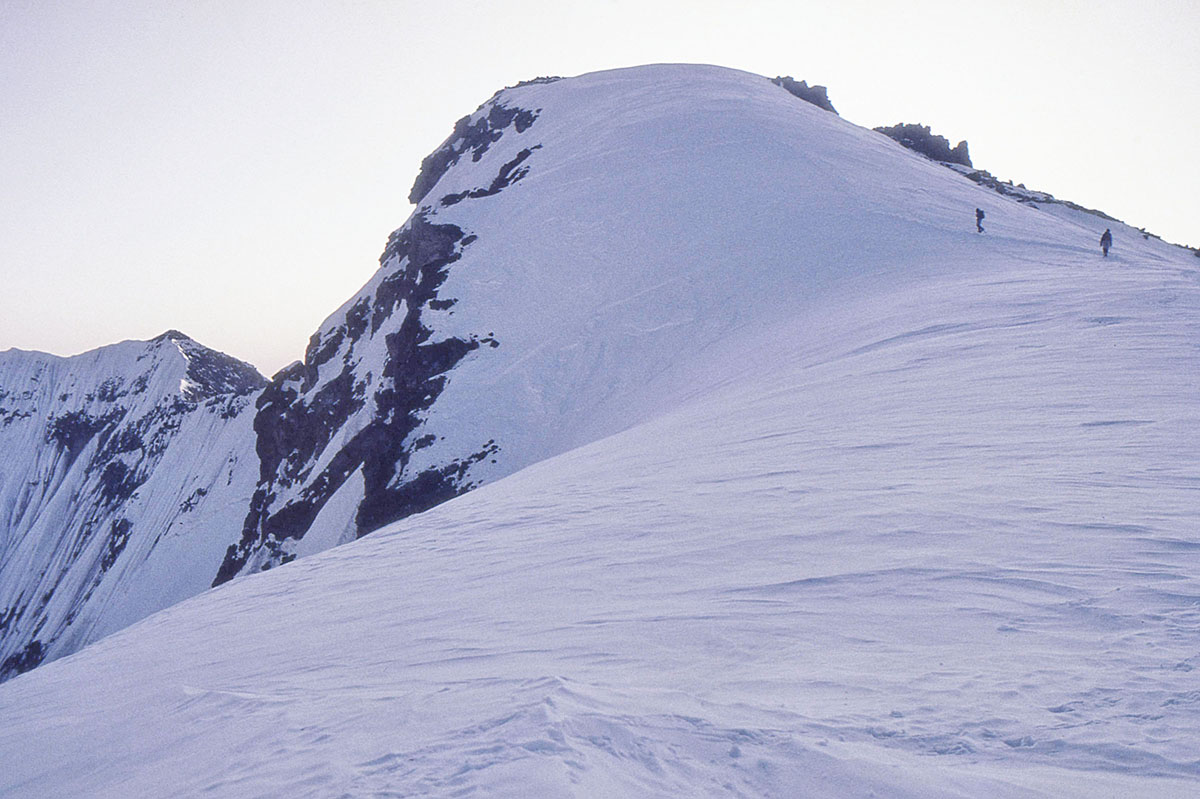
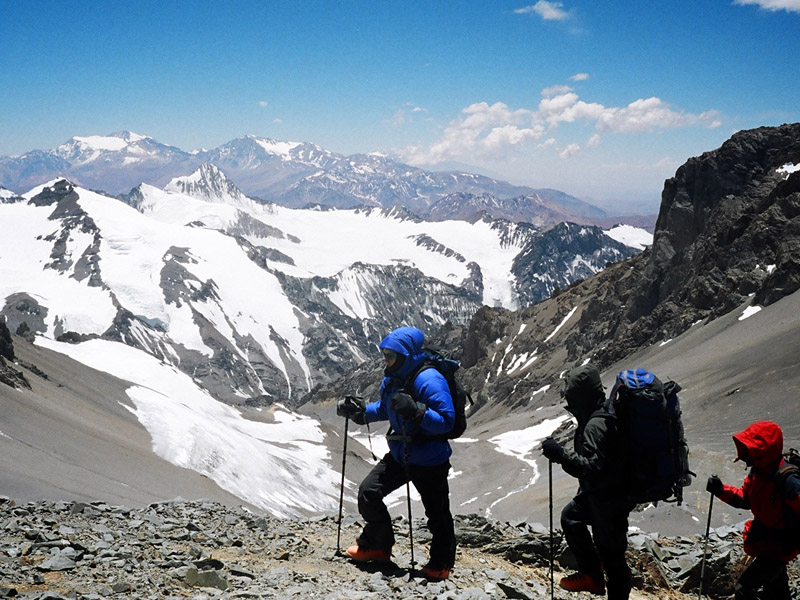
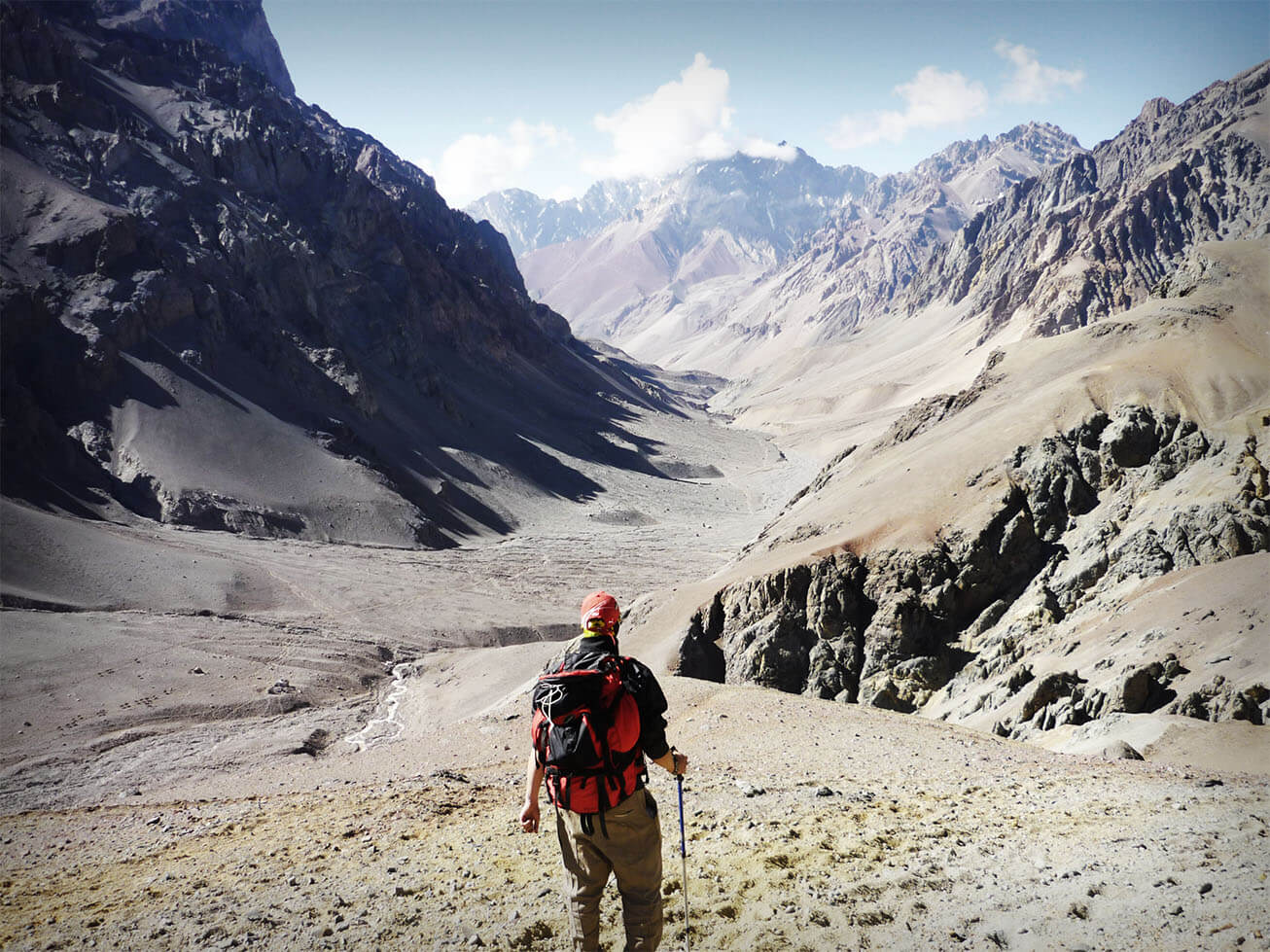
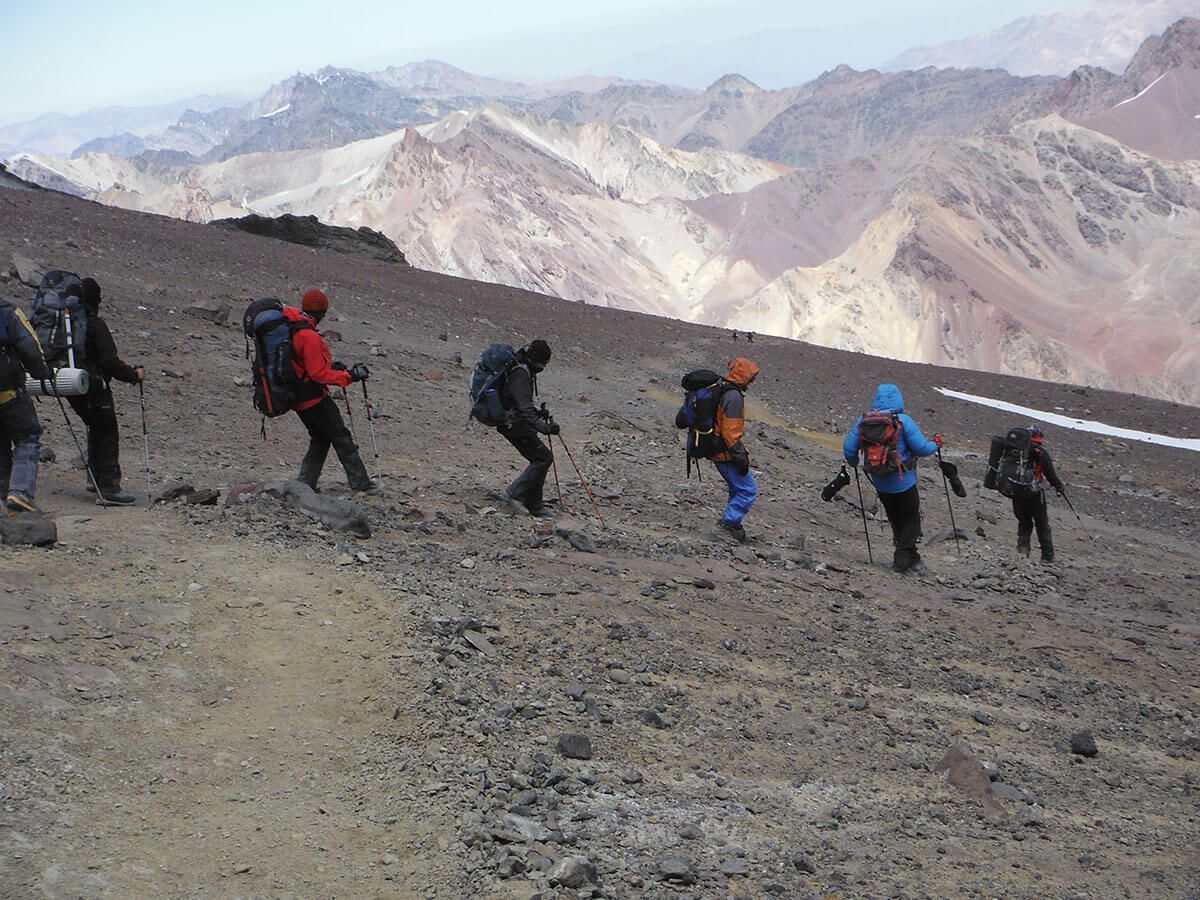
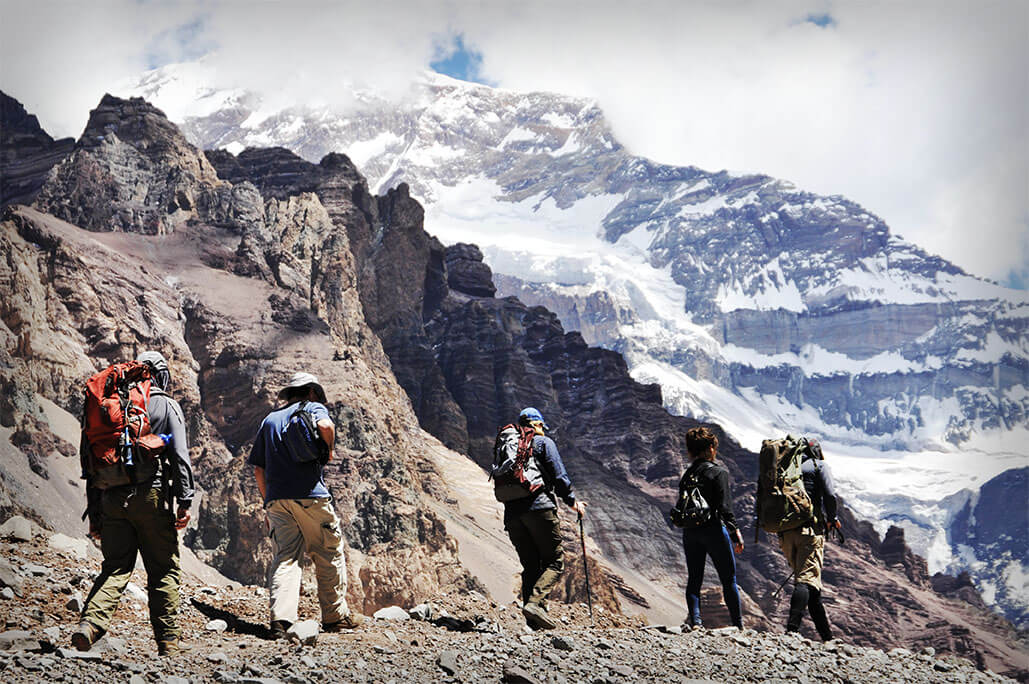
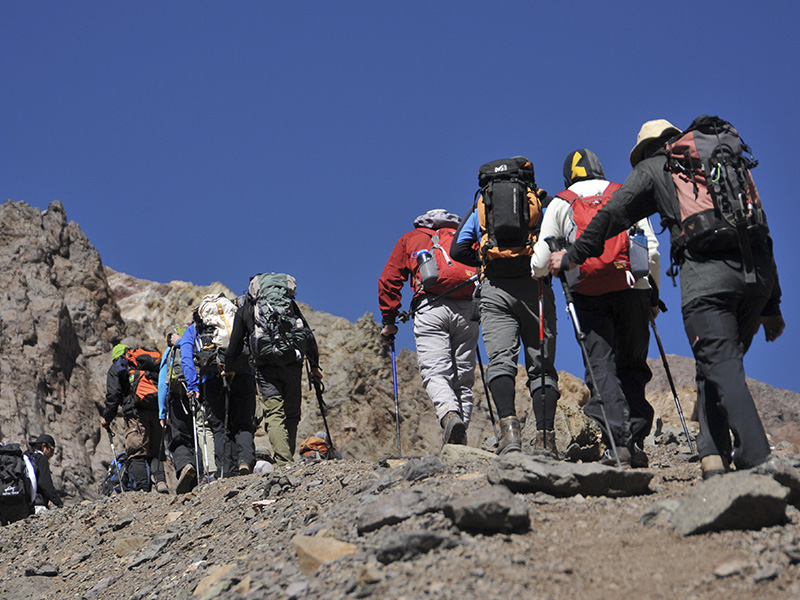
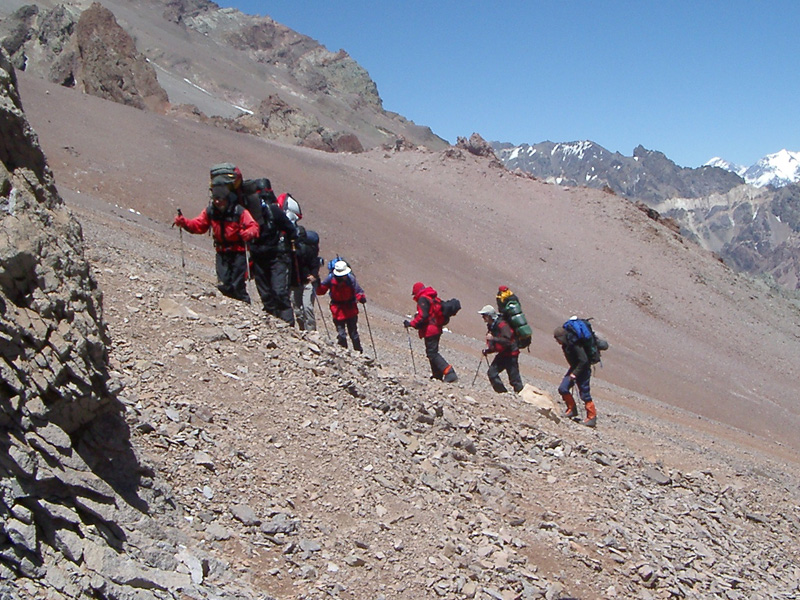
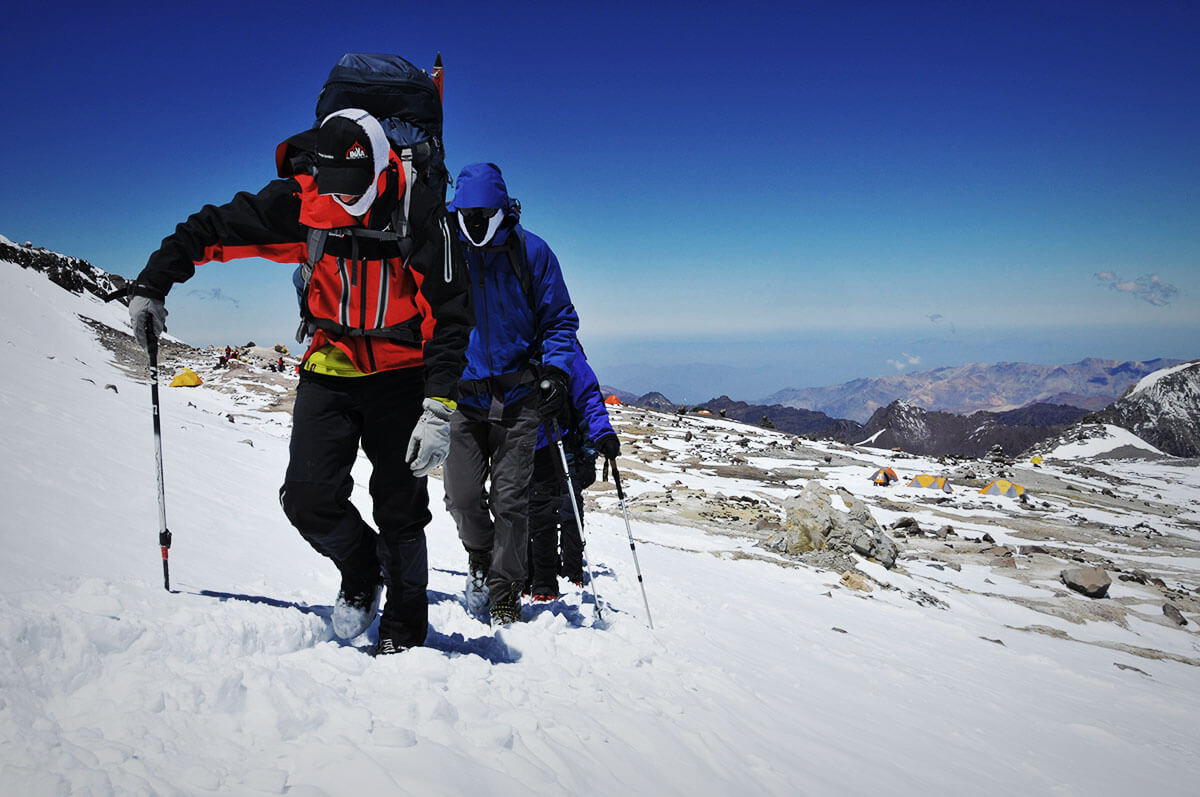
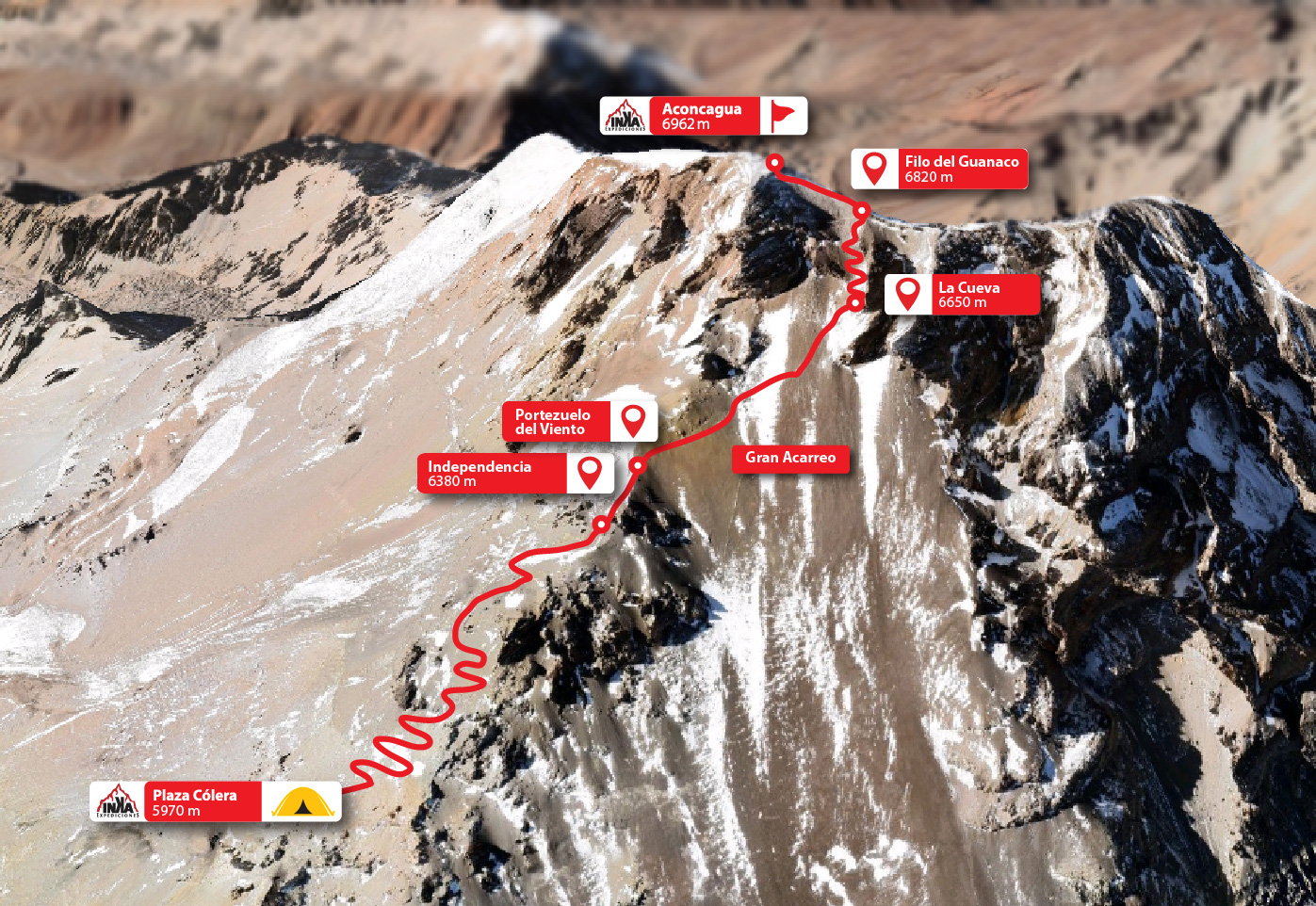
The route passes through several iconic sections, including Independencia Hut, the Gran Acarreo Traverse, La Canaleta, and the Guanaco Ridge. Throughout the ascent, climbers encounter sustained slopes, rocky terrain, seasonal snow, and long sections where progress becomes increasingly slow due to the effects of altitude.
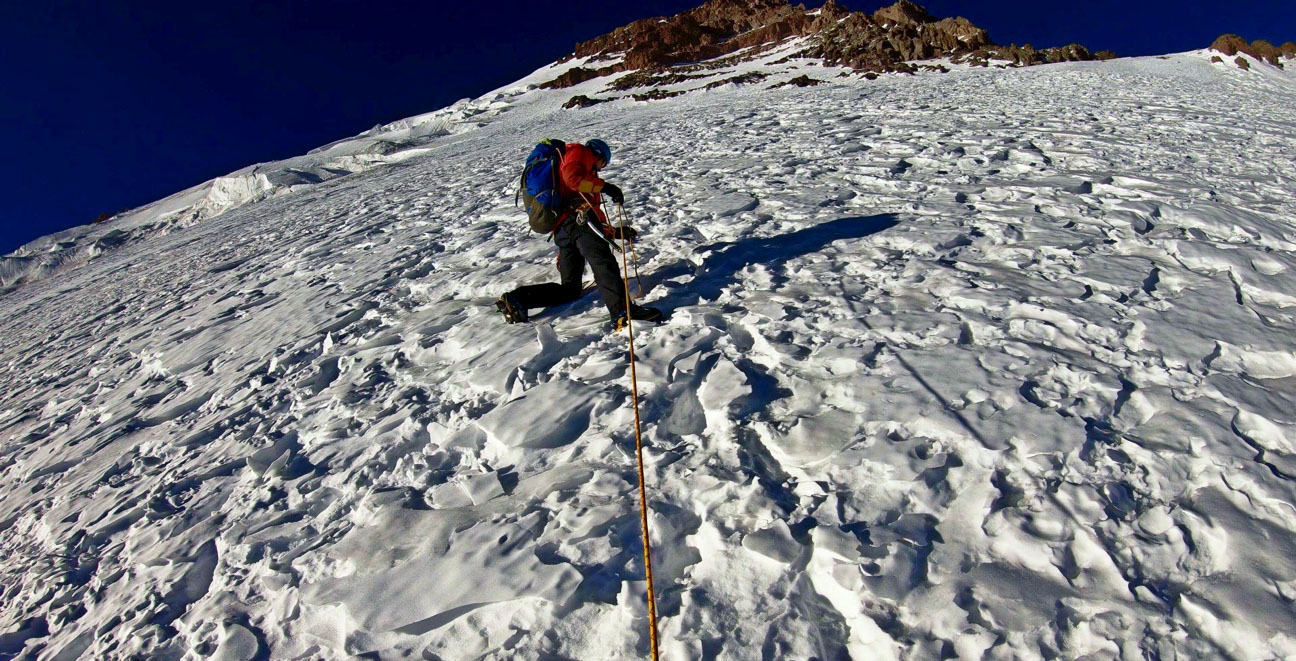
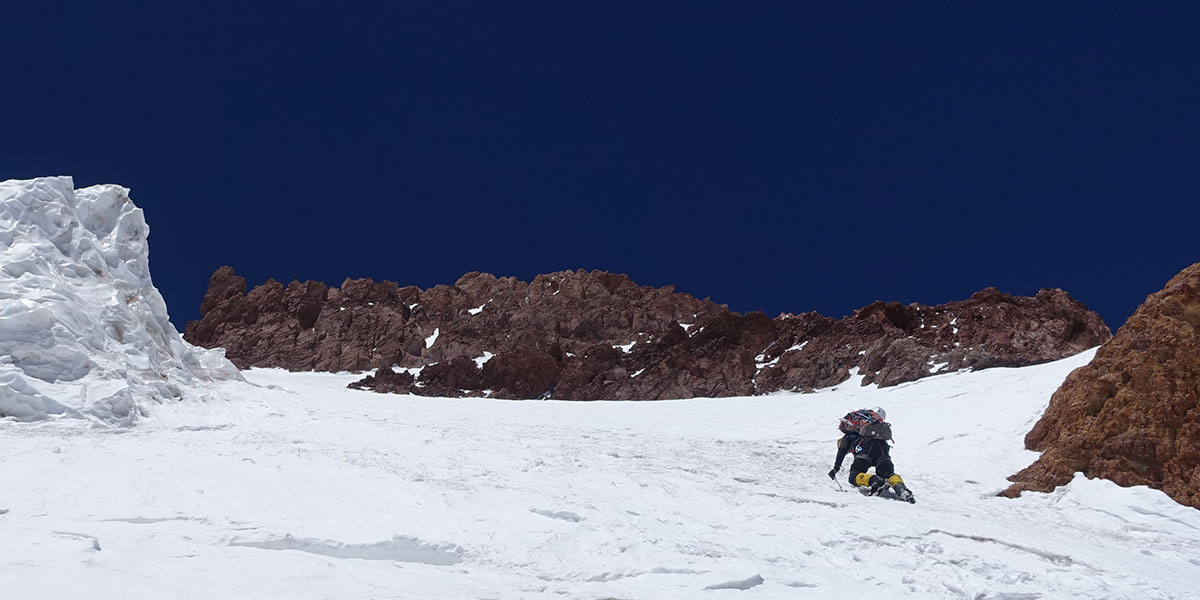
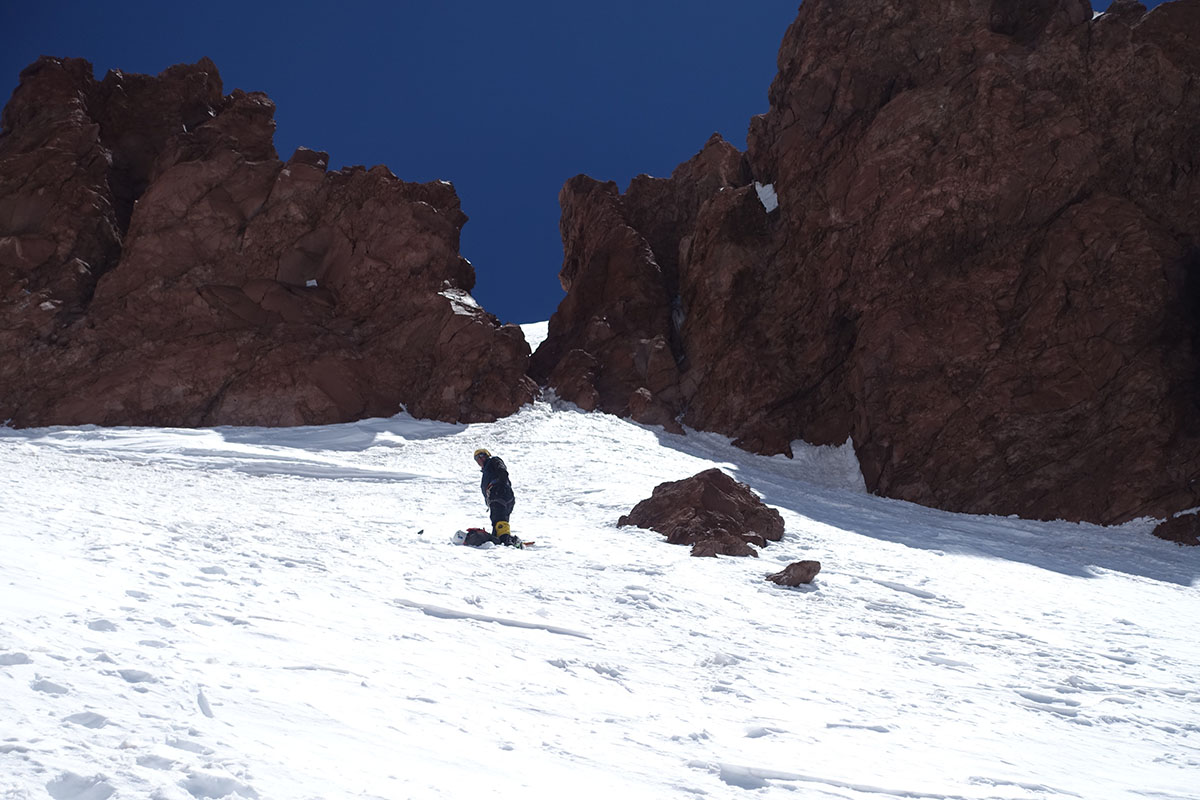
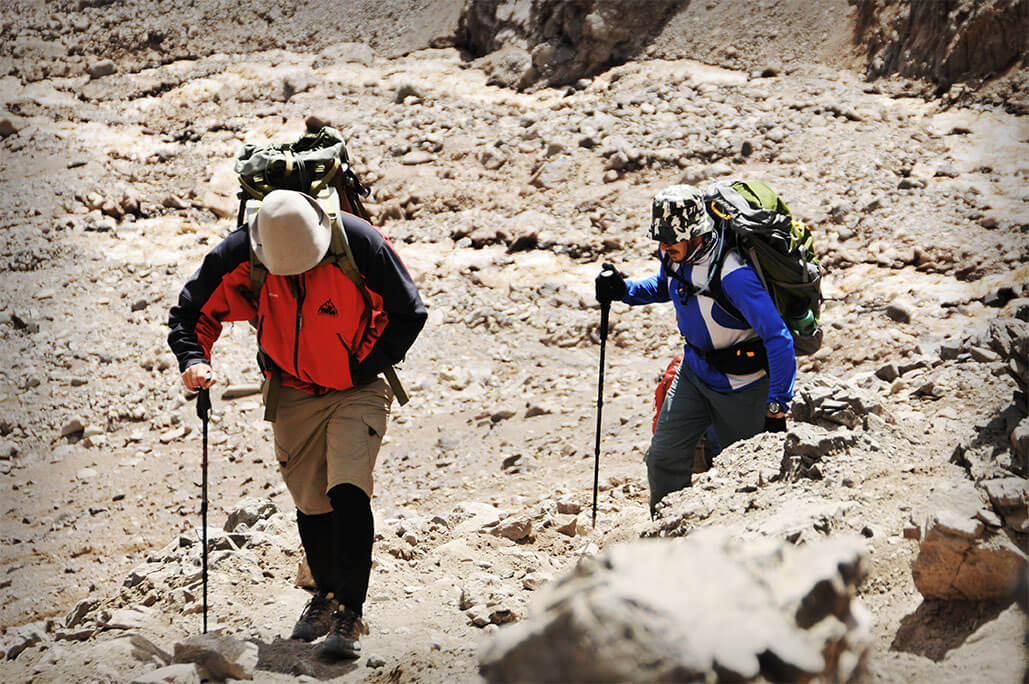
La Canaleta is one of the most demanding parts of the climb. Here, climbers must ascend a steep gully of loose rock and scree, where every step requires considerable physical effort. It is common in this section to experience a noticeable decline in performance, increased breathing rate, and a pronounced feeling of fatigue as the effects of extreme altitude become more intense.
What Happens Physiologically During the Ascent?
The Benefits of Supplemental Oxygen
The primary purpose of using supplemental oxygen on summit day is to increase the amount of oxygen available to the body during the most physically demanding stage of the expedition.
By increasing the concentration of oxygen in each breath, the system can help:
- Maintain higher blood oxygen saturation (SpO₂).
- Reduce the sensation of breathlessness during physical exertion.
- Decrease the physiological stress associated with hypoxia.
- Improve oxygen delivery to the brain.
- Sustain physical performance during the final hours of the ascent.
- Enhance comfort and recovery during rest breaks.
Several scientific studies have shown that supplemental oxygen can produce a physiological effect comparable to being several hundred meters lower than the actual altitude, partially reducing the impact of hypoxia on the body.
A Valuable Tool for Summit Day
Although supplemental oxygen is not a substitute for proper acclimatization and does not eliminate the inherent risks of high-altitude mountaineering, it can be a valuable support tool during summit day, particularly on the most demanding sections of the route.
On a day when every step requires significant physical effort and the body is operating close to its physiological limits, improved oxygenation can make a meaningful difference in a climber’s comfort, physical performance, and ability to respond effectively to the challenges of the ascent.
Our Supplemental Oxygen System
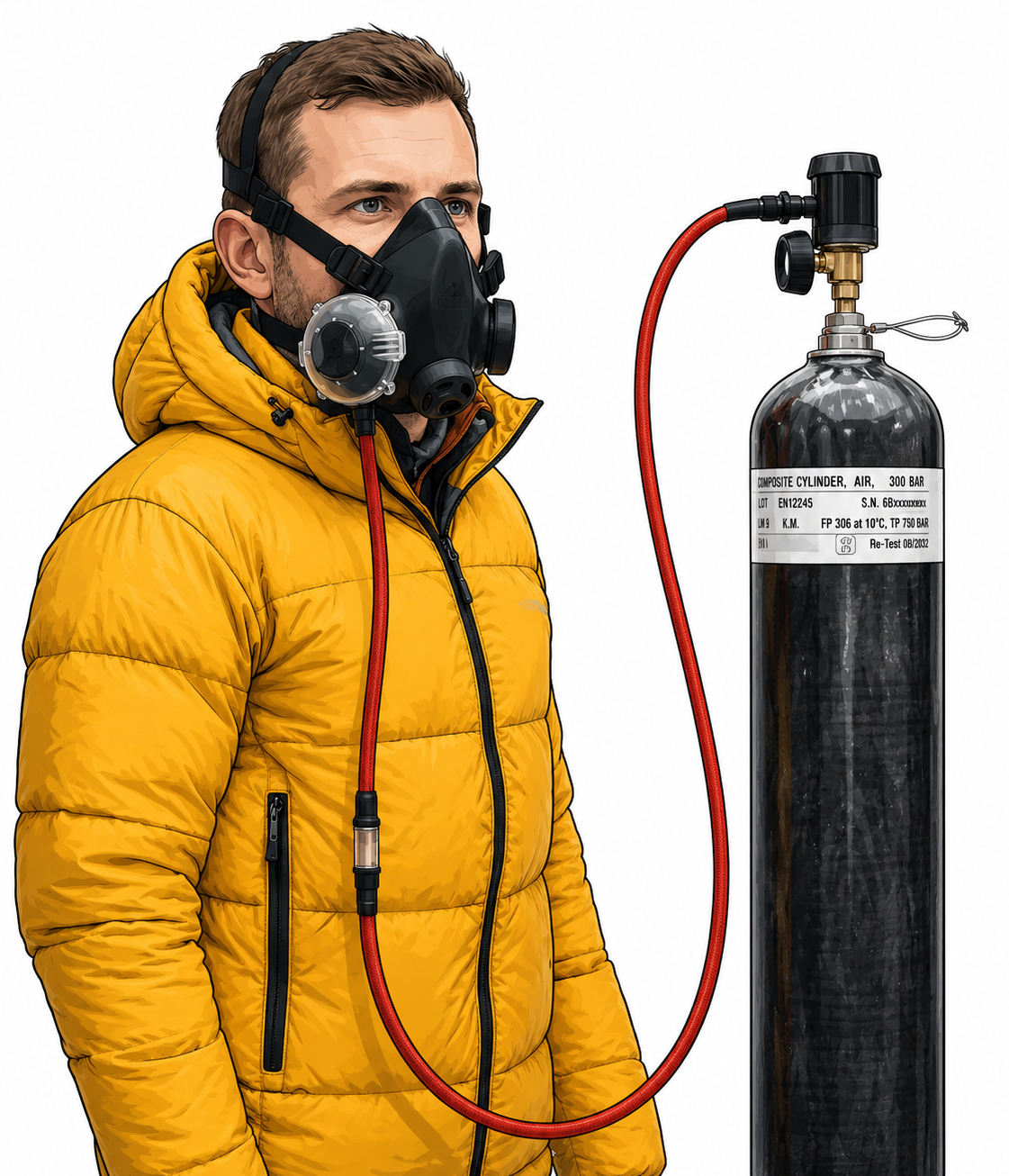
For our expeditions, we use the Summit Standard System, a supplemental oxygen system specifically designed for high-altitude and extreme-altitude mountaineering. This is the same equipment trusted on expeditions to Mount Everest, K2, Lhotse, Manaslu, and other peaks above 8,000 meters (26,247 ft), where equipment reliability is critical.
The system consists of three integrated components working together:
- Himalayan Summit Oxygen Cylinder
- Himalayan Standard Regulator
- Himalayan Facemask
Unlike conventional oxygen systems, the regulator mounts directly onto the cylinder, creating a simple, robust, and highly reliable design that has been widely adopted by professional guides and commercial expeditions on the world’s highest mountains.
Using the Supplemental Oxygen System During the Expedition
The supplemental oxygen system is intended exclusively for summit day, the most physically and physiologically demanding stage of the entire expedition.
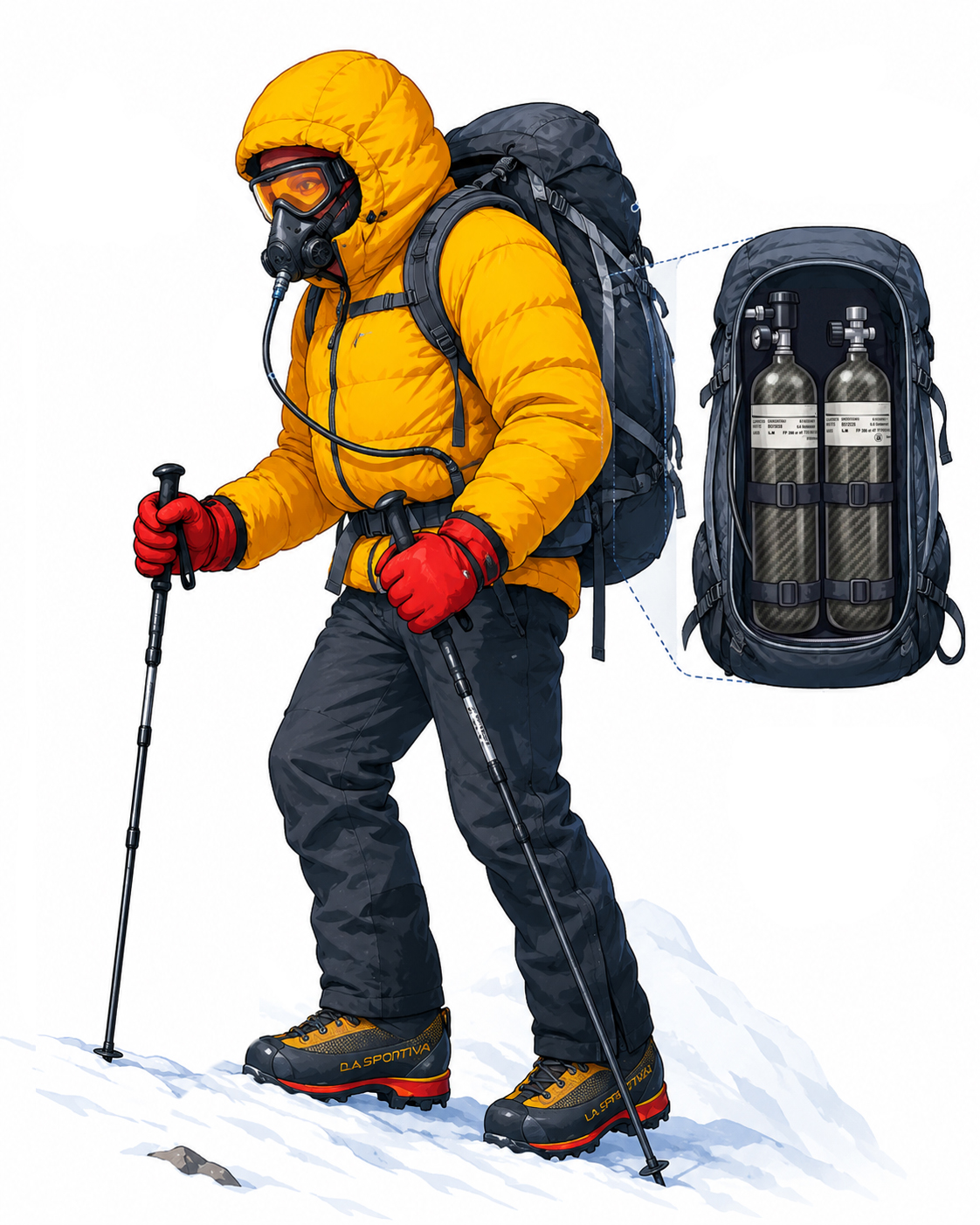
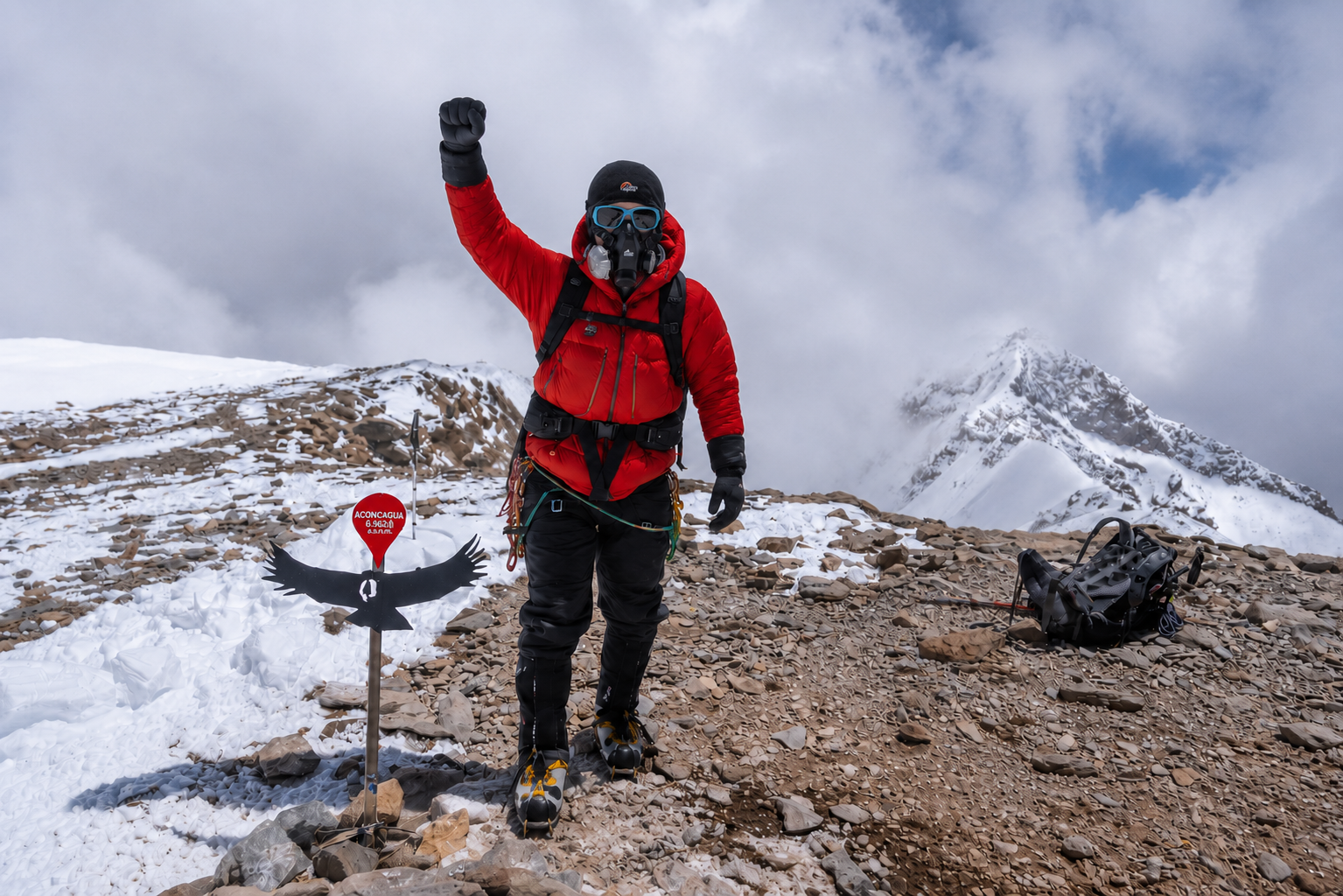
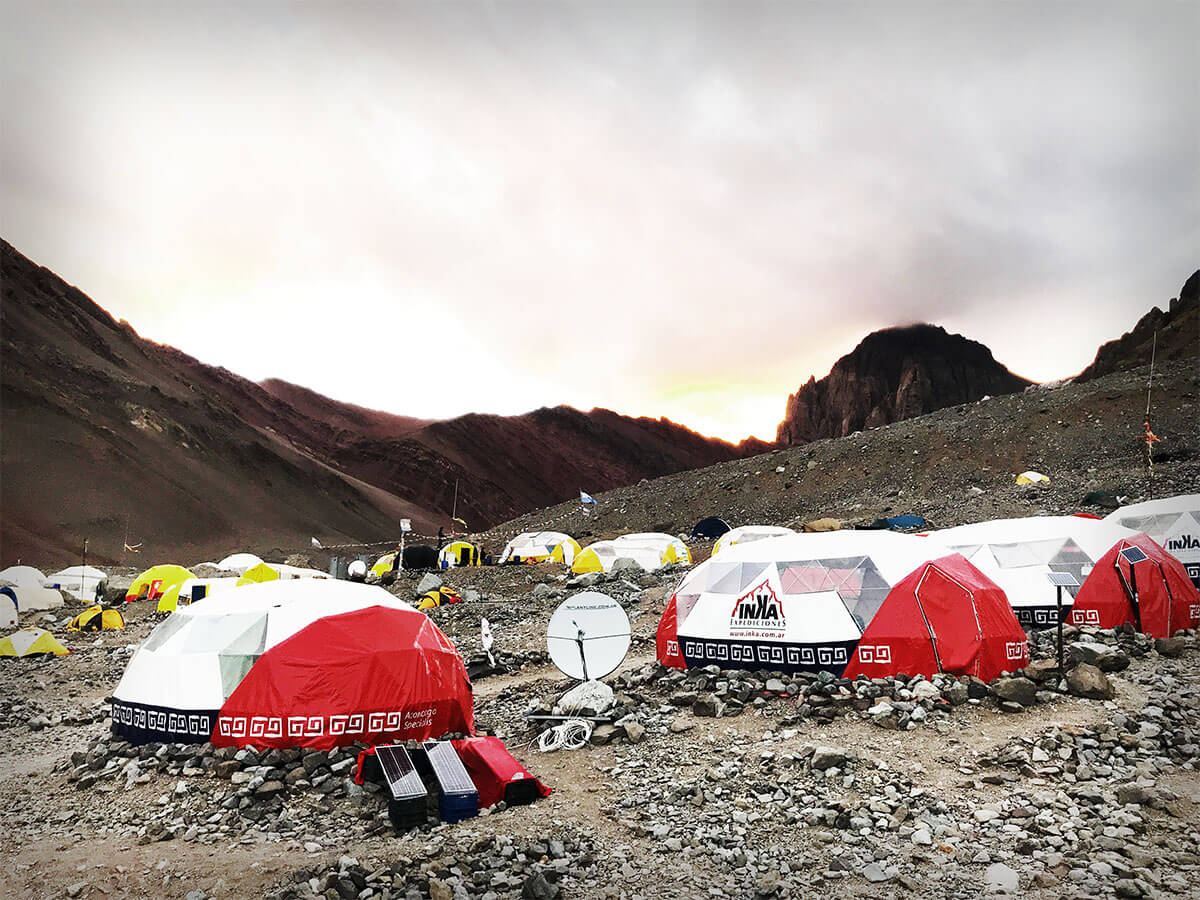
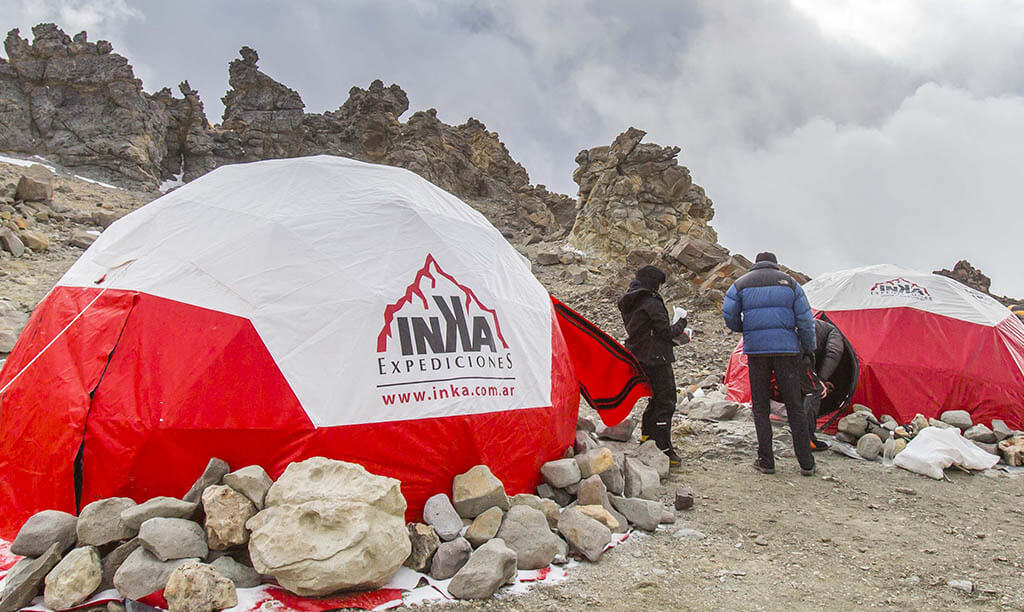
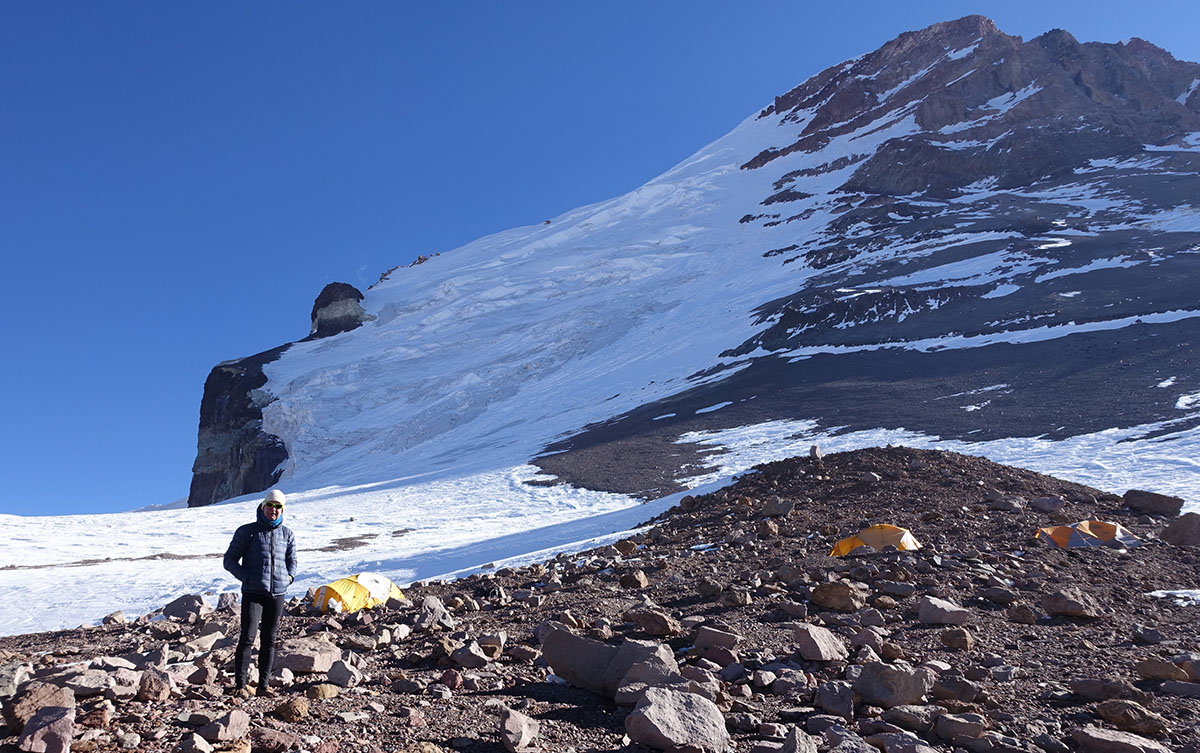
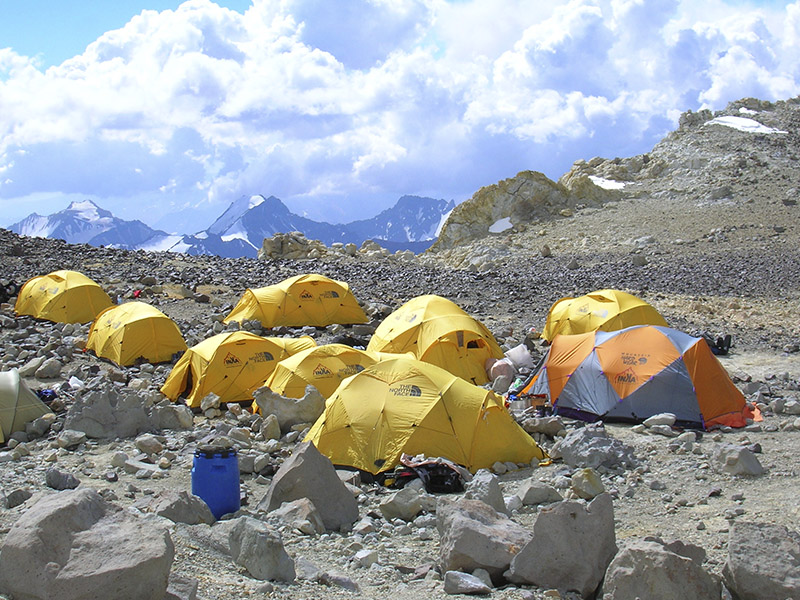
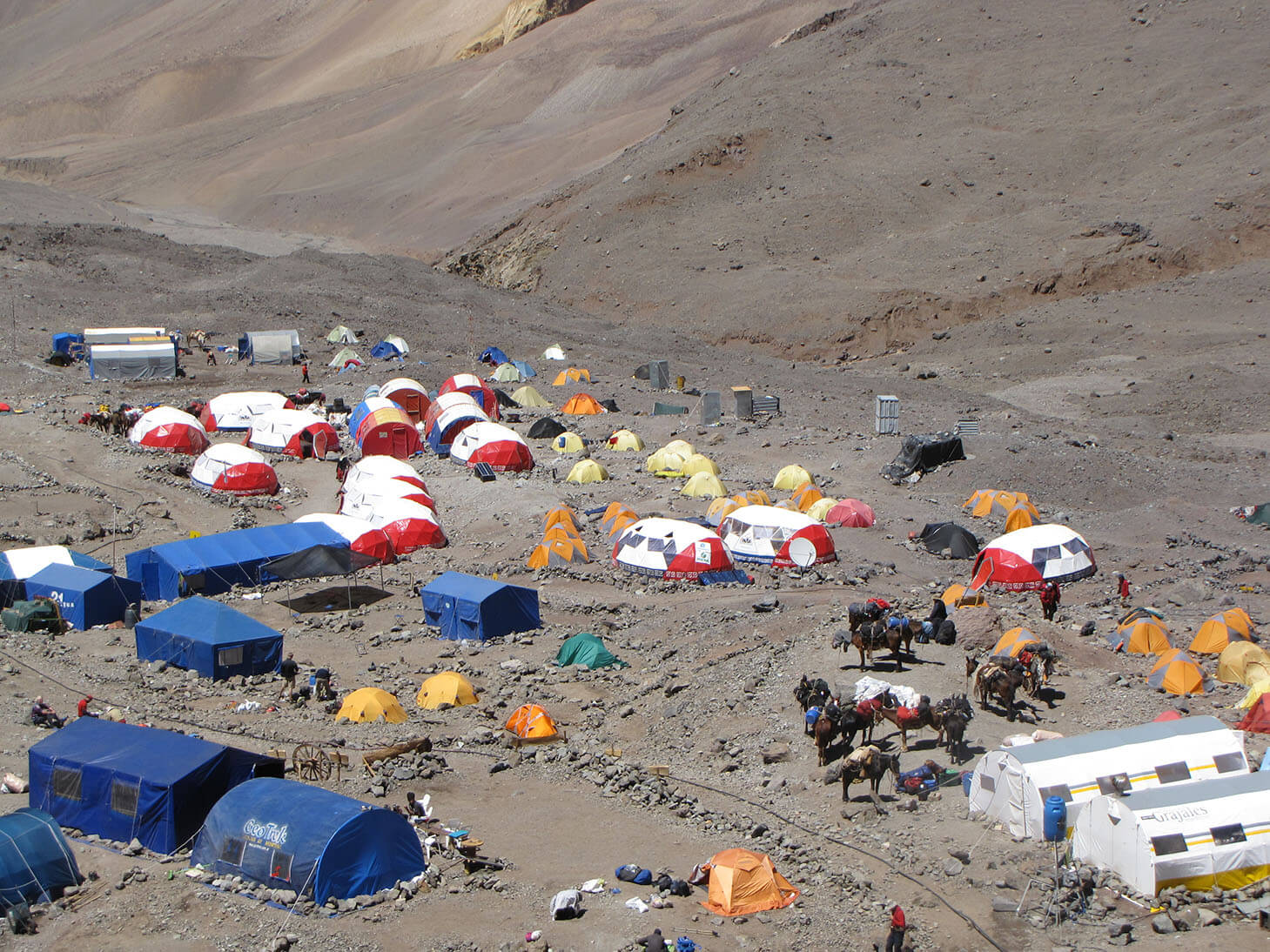
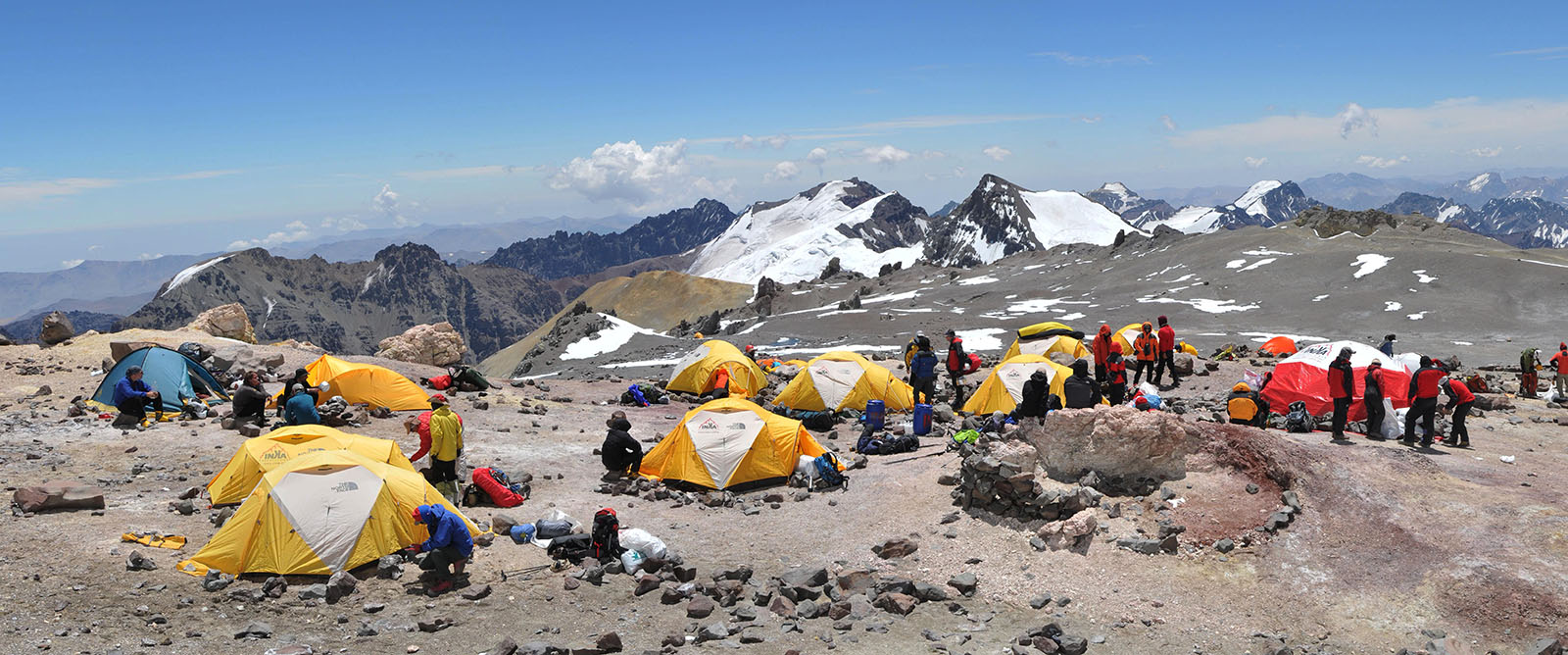
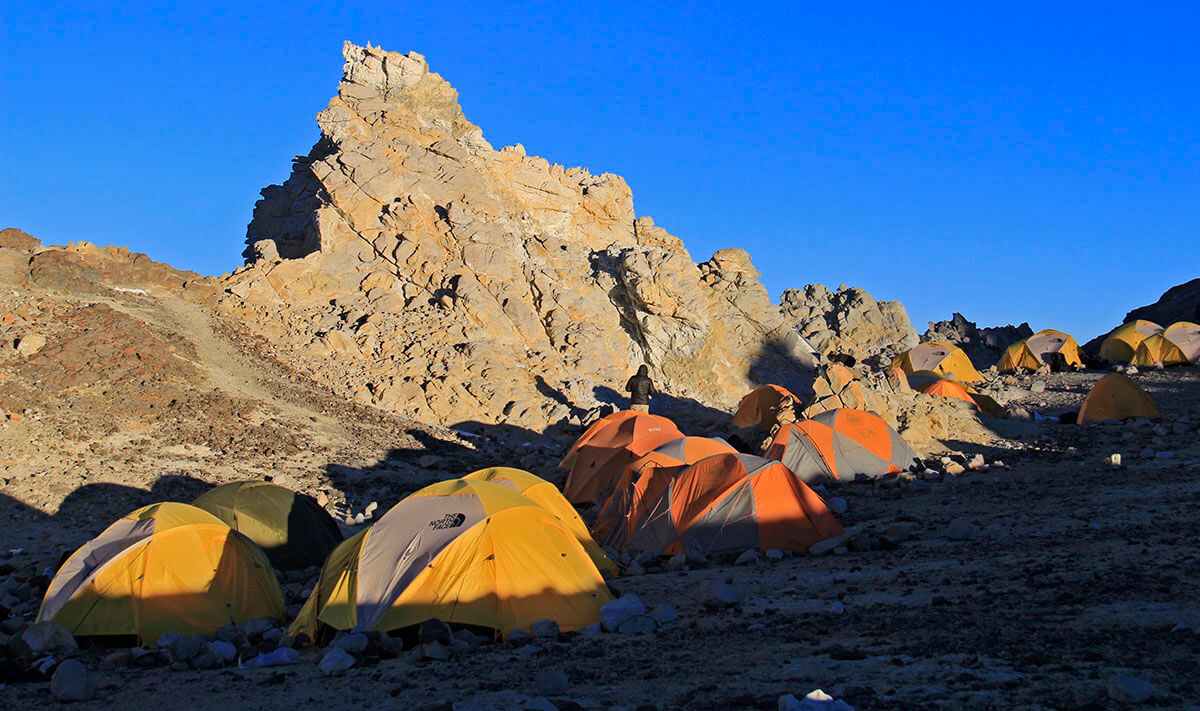
Before the summit push, the expedition guide provides a detailed briefing on how the system works, conducts a practical demonstration of its use, and ensures that all equipment is in perfect working condition. Upon arrival at Plaza Cólera Camp (5,970 m / 19,587 ft), each participant receives their personal oxygen kit, consisting of a face mask, regulator, and two oxygen cylinders.
Each cylinder contains approximately 1,200 liters of compressed oxygen, weighs 3.9 kg (8.6 lb), and measures 567 mm (22.3 in) in length by 110 mm (4.3 in) in diameter. These specifications provide an excellent balance between oxygen capacity and weight, making the system practical to carry throughout the summit ascent.
As part of each climber’s personal equipment, the two oxygen cylinders are carried in the summit pack, together with the other essential gear required for summit day.
Supplemental oxygen is not necessarily used for the entire climb. The expedition guide determines the most appropriate time to begin using the system based on several factors, including altitude, the climber’s physical condition, weather conditions, and the team’s pace. This approach maximizes both the cylinders’ autonomy and the physiological benefits provided by the system.
By increasing the amount of oxygen available to the body, climbers may experience more efficient breathing, reduced fatigue, improved oxygen delivery to the brain and muscles, and faster recovery during rest breaks. These benefits become particularly valuable during the final few hundred meters below the summit, where the effects of hypoxia are at their greatest.
While supplemental oxygen is not a substitute for proper acclimatization and does not reduce the inherent challenges of climbing Aconcagua, it serves as a valuable support tool that can help climbers approach summit day with greater comfort, efficiency, and confidence.